Cryptocurrency: What It Is, How It Works, and What You Need to Know in 2025
When you hear cryptocurrency, a digital form of money secured by cryptography and running on decentralized networks called blockchains. Also known as crypto, it lets people send value directly to each other without banks, governments, or middlemen. This isn’t science fiction—it’s happening right now, from Nigeria to Vietnam, from DeFi traders in the U.S. to underground P2P users in Tunisia.
Behind every crypto transaction is a blockchain, a public, tamper-proof digital ledger that records every transfer. This is what makes Bitcoin, Ethereum, and thousands of other coins possible. But blockchains aren’t all the same—some, like Solana and Mantle, move fast and cheap. Others, like Bitcoin, prioritize security over speed. And then there are crypto exchanges, platforms where you buy, sell, or trade these coins. Some, like Tokenlon and Merchant Moe, are decentralized and private. Others, like FutureX Pro and Ostable, don’t even exist—but scammers pretend they do.
Where you live changes everything. In India, every trade triggers a 1% tax deduction. In Vietnam, a new 0.1% tax hits every swap. The UAE, after cleaning up its compliance, became a hotspot for legit exchanges. Meanwhile, North Korea steals crypto to fund weapons, and U.S. expats face exit taxes when they give up citizenship. Crypto isn’t just about price charts—it’s about laws, risks, and survival.
And then there are the airdrops. People chase free tokens like POTS, PYM, or 1MIL, but most are fake. Real airdrops don’t ask for your wallet password. They don’t promise instant riches. They’re tied to real projects—like SundaeSwap on Cardano or Stacks on Bitcoin. But if you don’t know how to tell the difference, you’ll lose money before you even start.
This collection doesn’t hype coins or push get-rich-quick schemes. It shows you what’s real, what’s dead, and what’s dangerous. You’ll find deep dives into tokens like TROLL and EDRCoin that rose fast and crashed harder. You’ll see how hash rate keeps Bitcoin secure, how VASP licensing works in Nigeria, and why Nikita (NIKITA) has almost no trading volume. You’ll learn how to spot a scam exchange, how to read crypto laws by country, and why some coins are just payment tools for niche services—not investments.
Whether you’re trying to avoid taxes, find a safe exchange, or just understand why a meme coin went viral and then vanished, this is the place to start. No fluff. No hype. Just clear, practical info to help you make smarter moves in a messy, fast-moving world.

KyberSwap Elastic Avalanche Review: Is This DEX Worth Your Liquidity?
Expert review of KyberSwap Elastic on Avalanche. Discover how concentrated liquidity and auto-compounding fees can boost your DeFi yields in 2026.

Stackswap Review: The Best DEX for Bitcoin DeFi?
A deep dive into Stackswap, the leading Bitcoin-based DEX. Discover how it uses the Stacks blockchain to bring DeFi to Bitcoin and whether STSW is worth your time.

Why Account Abstraction is the Future of Crypto Wallets
Discover how Account Abstraction transforms crypto wallets by replacing risky seed phrases with programmable security, social recovery, and invisible gas fees.
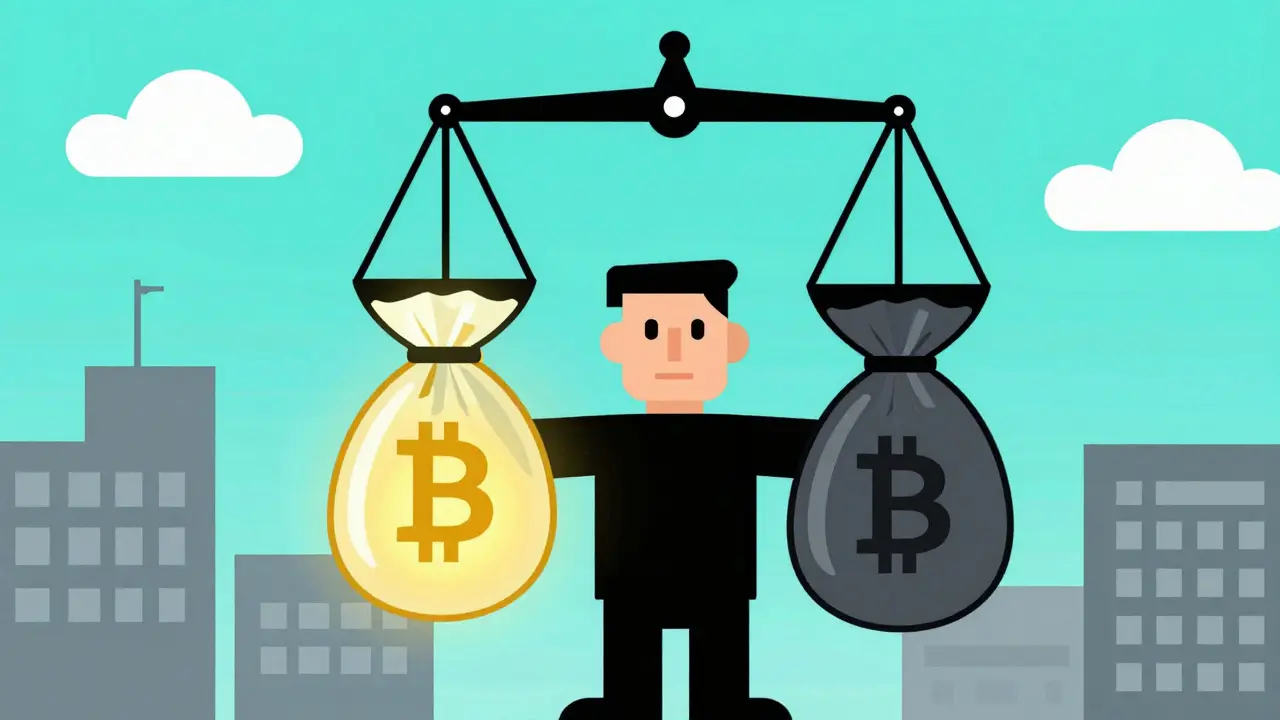
No Loss Offset Rule in India: What It Means for Crypto Traders
Explore India's strict no loss offset rule for crypto traders under Section 115BBH. Learn how 30% tax rates and TDS affect your profits, why losses can't reduce tax bills, and filing tips for 2026.

MAN x Ocean Star Airdrop Guide: Details, Mechanics, and Eligibility
Explore the details surrounding the MAN x Ocean Star airdrop by Matrix AI Network. Learn eligibility criteria, historical precedents, and how to claim rewards safely.
PolkaWar PWAR CoinMarketCap Airdrop Details And Token Analysis
Detailed analysis of the PolkaWar (PWAR) token, covering the expired CoinMarketCap airdrop campaign and current market metrics. Learn about the game mechanics, NFT marketplace, and significant price depreciation.
EVA Community Airdrop by Evanesco Network: Facts, Status & Safety Guide
Analyze the current status of the EVA Community airdrop by Evanesco Network. Learn about the token metrics, security risks, and how to track official announcements.
How Bangladeshis Access Crypto Exchanges with VPN (2026 Guide)
Navigating crypto trading in Bangladesh requires bypassing government restrictions. Learn how to use secure VPNs to access exchanges safely and legally protect your financial privacy.

Indonesian crypto exchange licensing requirements for 2026
A complete guide to the 2025-2026 regulations for crypto operators in Indonesia. Learn about OJK oversight, capital thresholds, and compliance needs.

What Is COCOCOIN (COCO)? Complete Guide to the SocialFi Meme Token on BNB Chain
Explore COCOCOIN (COCO), a community-driven SocialFi meme token on BNB Chain. Learn about its security, market specs, and roadmap.

How Market Makers Use Order Books: A Guide to Liquidity and Trading Mechanics
Learn how market makers use order books to provide liquidity and facilitate trades. This guide covers order book mechanics, CEX vs DEX differences, risk management, and trading tools.

LEOS Leonicorn Swap Mega Campaign Airdrop: What You Need to Know in 2026
As of March 2026, there is no confirmed LEOS airdrop from Leonicorn Swap. The official token is LEON, listed on Binance. Beware of scams using fake names like LEOS. Legit airdrops never ask for payment.