Blockchain Security: Protect Your Crypto from Scams, Hacks, and Exploits
When you send crypto, you’re trusting blockchain security, the system of protocols, codes, and practices that keep digital assets safe from theft, fraud, and manipulation. It’s not just about encryption—it’s about who controls the keys, how code is written, and whether exchanges actually hold your funds. Without it, your wallet is just a digital postcard with your address written in invisible ink.
smart contract risks, flaws in self-executing code that powers DeFi, NFTs, and token swaps have drained billions. One typo in a line of code—like in the 2021 Poly Network hack or the 2022 Ronin Bridge breach—can let attackers walk away with millions. That’s why projects like Solarbeam and SundaeSwap get rated by CertiK: their security scores aren’t marketing fluff, they’re your first line of defense.
wrapped asset custody, how tokens like WBTC and cbBTC are locked up by centralized firms to move Bitcoin across chains is another hidden danger. You think you own Bitcoin on Ethereum? You don’t. You own a promise. If the custodian gets hacked, freezes, or disappears, your Bitcoin vanishes. That’s not blockchain—it’s a middleman with a fancy name.
And then there’s crypto exchange scams, fake platforms like SOLIDINSTAPAY and GoodExchange that look real but have no audits, no reviews, and no way to withdraw your cash. These aren’t edge cases—they’re the norm. Over half the new exchanges popping up in 2025 are outright scams. Even legit ones like RadioShack Swap or Thruster v3 can be risky if they’re built on low-liquidity chains with no oversight.
Blockchain security isn’t about fancy tech. It’s about asking the right questions: Who holds the keys? Is the code audited? Is the exchange regulated? Is this token even real? The posts below cut through the noise. You’ll see how a dead project like SUIA or a fake meme coin like YOTSUBA still tricks people because they look like the real thing. You’ll learn why privacy coins are getting delisted—not because they’re evil, but because regulators can’t trace them. You’ll find out how airdrops like SOS Foundation or KTN Adopt a Kitten are often just phishing traps disguised as free money.
Some of these stories are about bad code. Others are about bad actors. But they all point to the same truth: if you don’t understand blockchain security, you’re not investing—you’re gambling with your wallet. And in 2025, the house always wins when you don’t know the rules.

What Is Cryptographic Encryption in Blockchain?
Cryptographic encryption in blockchain uses hashing, public-private keys, and digital signatures to secure transactions, prevent tampering, and verify ownership without a central authority. It's the core reason blockchain is trustworthy.
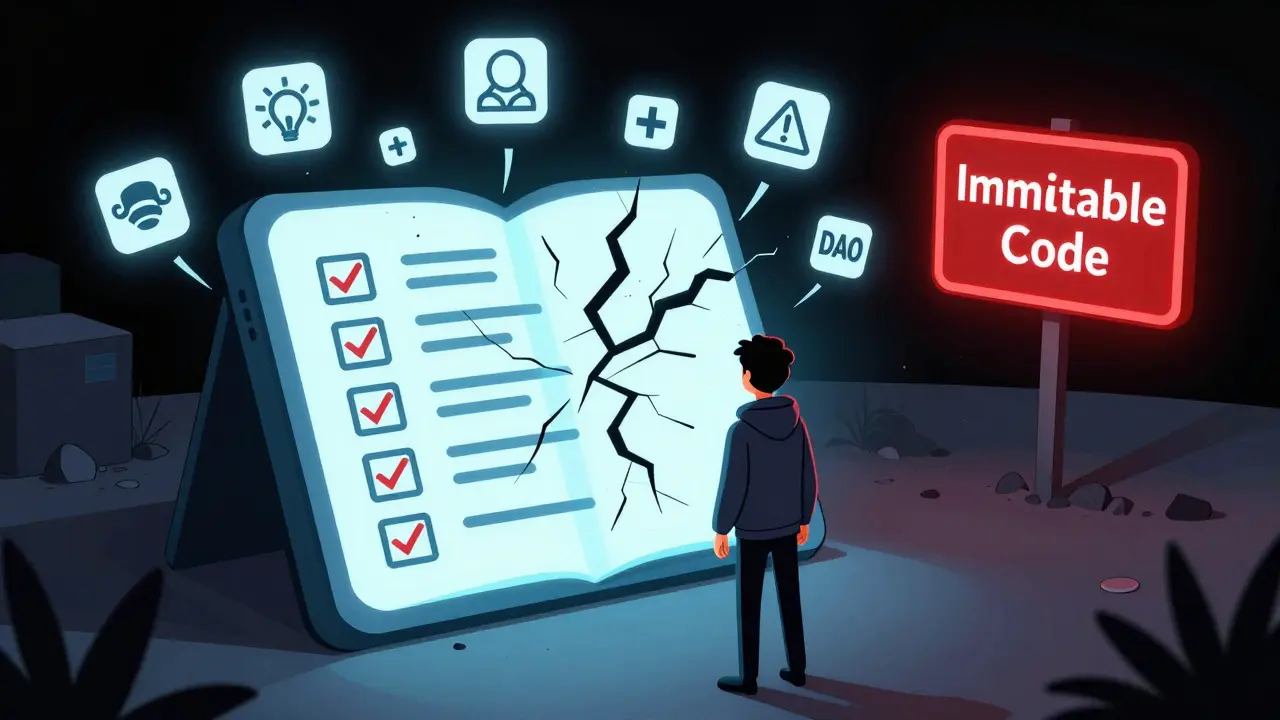
Code Review Best Practices for Blockchain
Blockchain code review is not like regular software review. Due to immutable ledgers and massive financial stakes, every line of code must be scrutinized. This guide covers manual review techniques, automated tools, checklists, and why skipping this step risks millions.
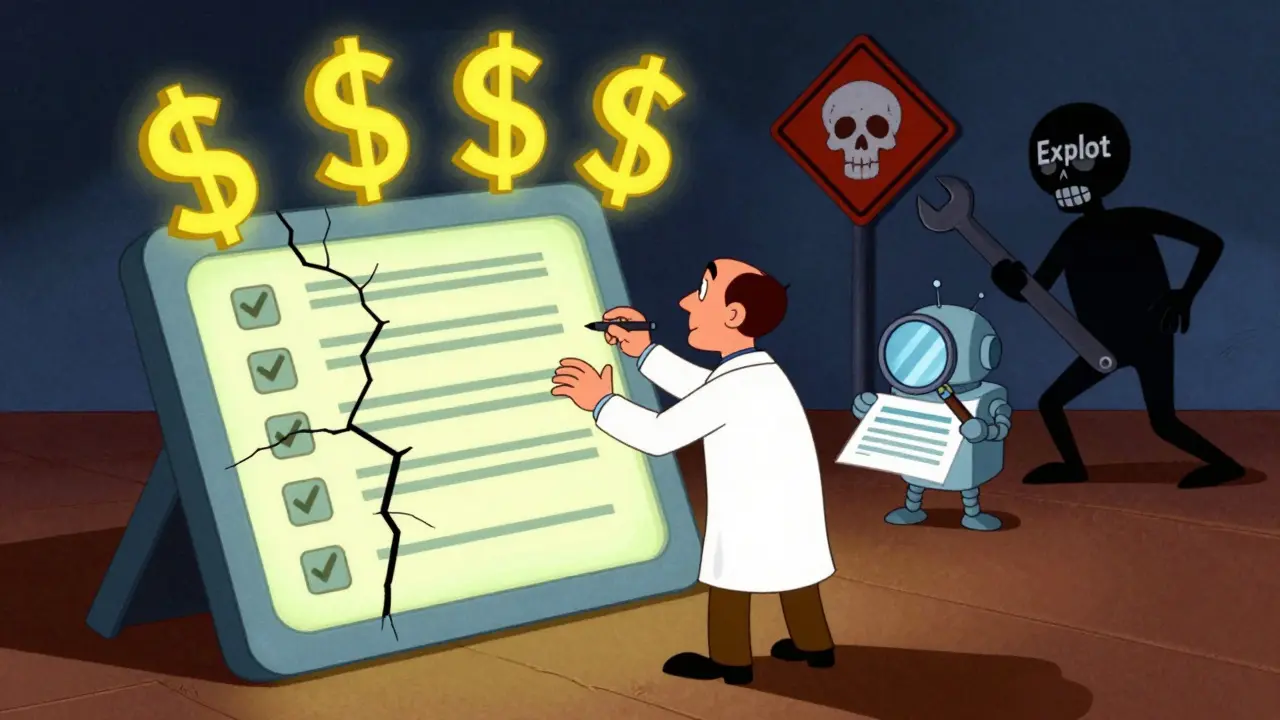
Code Review Best Practices for Blockchain
Blockchain code review is critical because smart contracts can't be patched after deployment. Learn the best practices, tools, and checklists to prevent millions in losses from exploitable vulnerabilities.

How Blockchain Achieves Immutability: The Technical Core Behind Tamper-Proof Ledgers
Blockchain immutability makes data tamper-proof using cryptographic hashing, block linking, and consensus mechanisms like Proof of Work and Proof of Stake. Once recorded, transactions can't be changed without controlling the entire network.
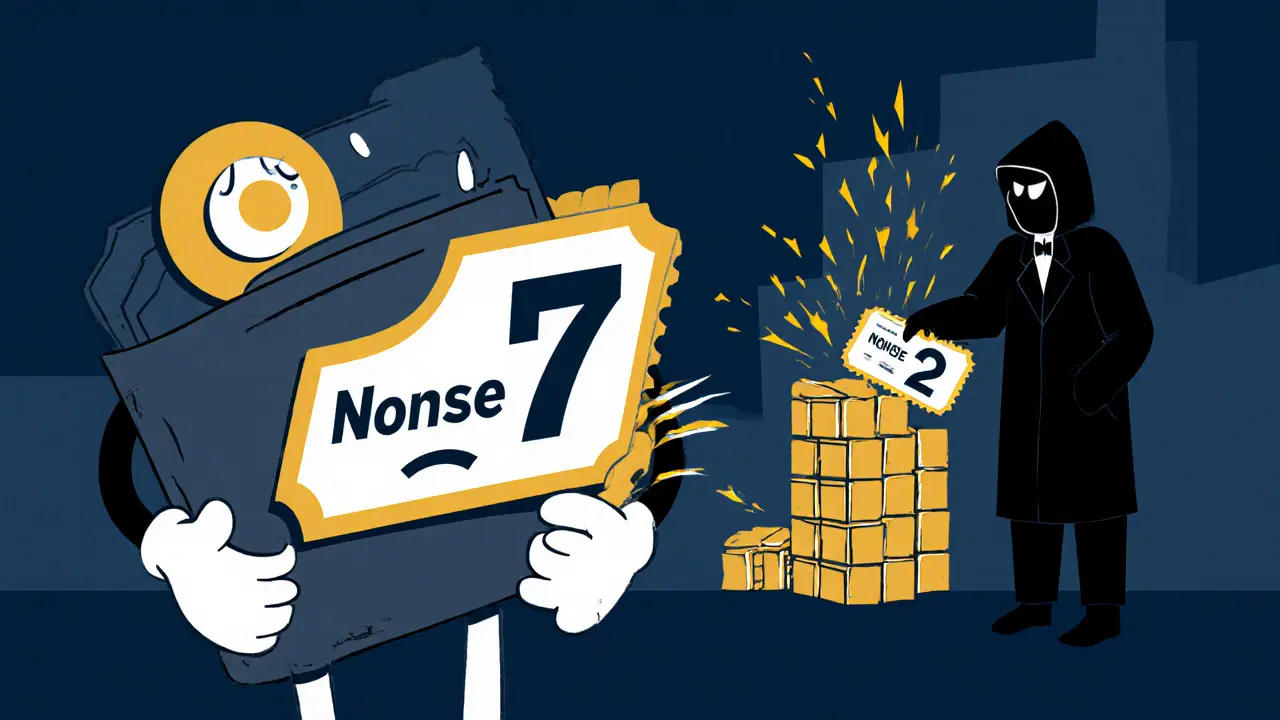
How Nonce Prevents Transaction Replay Attacks in Blockchain
A nonce prevents replay attacks in blockchain by ensuring each transaction is used only once. It's a simple counter that keeps your funds safe from being copied and reused by attackers.