GENIUS Act: What It Is and Why Crypto Projects Are Watching Closely
When people talk about the GENIUS Act, a proposed U.S. federal law designed to clarify regulatory oversight for digital assets and blockchain technology. Also known as Generating Energy and Innovation for a Unified Society Act, it’s not just another bill—it’s a potential turning point for how crypto operates in America. If passed, it would create clear rules for who can launch tokens, how exchanges must report activity, and what counts as a security versus a commodity. This isn’t theoretical. Right now, projects like HDEX, a cross-chain decentralized exchange with no audits and low liquidity, or SOLIDINSTAPAY, an unregulated exchange with zero transparency, would face new standards—or be forced out of the market. The GENIUS Act doesn’t just target shady operators. It could also make it easier for legit platforms like Solarbeam, a secure DEX built for the Moonriver Network with a 90/100 CertiK score to grow without fear of sudden regulatory crackdowns.
The law’s real impact shows up in the details. It pushes for a unified framework between the SEC, CFTC, and other agencies, which means less confusion for developers and users alike. Right now, you’ve got projects like xPET tech, a SocialFi 2.0 game on Arbitrum or RecycleX, a blockchain project tied to physical recycling trying to figure out if their tokens are securities. Under the GENIUS Act, they’d get clearer guidance on how to structure their tokens to avoid legal trouble. It also addresses stablecoins, DeFi lending, and even NFTs—making it one of the most comprehensive crypto bills in recent memory. That’s why you see so many posts here about DeFi lending platforms, like Aave and Compound, or NFT token standards, such as ERC-721 and ERC-1155. These aren’t just tech specs—they’re legal battlegrounds waiting for rules.
What’s missing from the bill? Enforcement. The GENIUS Act doesn’t fix the fact that many crypto scams still fly under the radar. Projects like YOTSUBA Koiwai, a fake meme coin using a manga character or SUIA, a dead token with zero circulation thrive because there’s no real oversight. The GENIUS Act could change that—if regulators actually use the tools it gives them. For users, this means fewer fake airdrops, less rug pulls, and more clarity on what’s safe to invest in. You’ll see more posts like the one on Cambodia banking restrictions, where crypto is banned except for two licensed platforms or Pakistan’s PVARA regulator, bringing legal clarity to crypto. These aren’t isolated cases—they’re signs of a global shift. The GENIUS Act is America’s answer to that shift. Below, you’ll find real examples of how crypto projects are already reacting to regulatory pressure, what’s working, what’s failing, and what you need to watch before the next rule drops.

United States Crypto Regulation Framework: What You Need to Know in 2025
The U.S. crypto regulation framework, established by the 2025 GENIUS Act, creates the first federal rules for stablecoins, requiring 100% reserve backing and banning interest payments. It brings clarity for banks but leaves Bitcoin and DeFi in legal gray zones.
Legal Tender Status for Cryptocurrency: What’s Really Happening in 2025
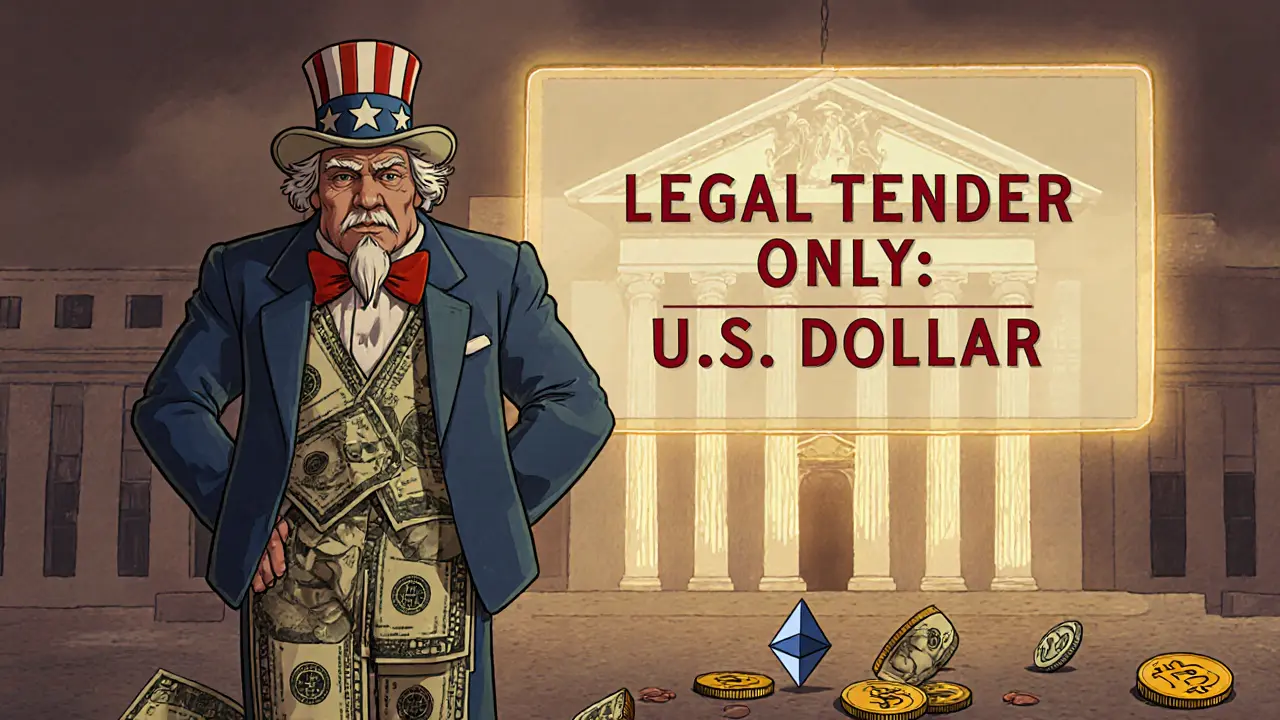
As of 2025, cryptocurrency is still not legal tender in the U.S., but new laws like the GENIUS Act and CLARITY Act have created a clear regulatory path for stablecoins, Bitcoin, and Ethereum-making crypto safer, more legitimate, and easier to use without replacing the dollar.

Legal Considerations for Crypto Mining in 2025: What You Must Know
In 2025, crypto mining is legal in the U.S. but heavily regulated. Learn what the SEC, GENIUS Act, Travel Rule, and MiCAR mean for miners, and how to avoid fines, account freezes, or legal trouble.