Venezuela Cryptocurrency Regulations: What’s Legal, What’s Not in 2025
When it comes to Venezuela cryptocurrency regulations, the government’s official stance on digital money is a mix of control, contradiction, and crisis response. Also known as crypto laws in Venezuela, these rules aren’t like those in the U.S. or Europe—they’re shaped by hyperinflation, U.S. sanctions, and a failing economy. Most Venezuelans don’t care about the official policy. They care about eating, paying rent, and keeping their savings from vanishing overnight.
The government launched the Petro cryptocurrency, a state-backed digital token tied to oil reserves. Also known as Petro (PTR), it was meant to bypass U.S. financial restrictions and raise foreign cash. But it’s widely seen as a scam. No one outside Venezuela trusts it, trading volume is near zero, and even state employees get paid in Petro only because they have no choice. Meanwhile, Bitcoin and Ethereum? Those are the real money. People use them to send remittances, buy groceries online, and pay for medicine imported from Colombia or Mexico.
Here’s the real twist: crypto taxation Venezuela, isn’t enforced because the government can’t track it. Also known as crypto income reporting in Venezuela, there’s no system to collect taxes on crypto gains—even though the law technically says you owe them. That’s not because they’re lenient. It’s because they’re powerless. Banks are broken. The peso is worthless. So people use Binance, LocalBitcoins, and peer-to-peer apps like Paxful to trade directly. No bank account needed. No ID required. Just a phone and a Wi-Fi signal.
But it’s not all free for all. The government still cracks down on crypto mining. If you run a rig at home, you risk being accused of energy theft—because the state controls electricity. They’ve raided homes, seized equipment, and jailed people for running miners. Meanwhile, foreign companies that want to operate in Venezuela get squeezed by red tape, forced to partner with state entities, or outright banned. The Venezuela crypto ban, isn’t a full ban—it’s selective enforcement. Also known as crypto restrictions Venezuela, it targets anyone who doesn’t play by the regime’s rules.
What does this mean for you? If you’re in Venezuela, crypto isn’t an investment—it’s survival. If you’re outside Venezuela, it’s a warning. When governments lose control of their currency, people turn to decentralized money. No matter how hard they try to stop it. The truth is, Venezuela didn’t create a crypto revolution. It was forced into one. And now, the world watches to see what happens when a nation’s economy collapses but its people stay connected.
Below, you’ll find real reviews, scam alerts, and deep dives into the tools Venezuelans actually use—Binance, Coincheck, DFX Finance, and more. Not theory. Not politics. Just what works when your bank account is empty and your salary is worth less than a loaf of bread.
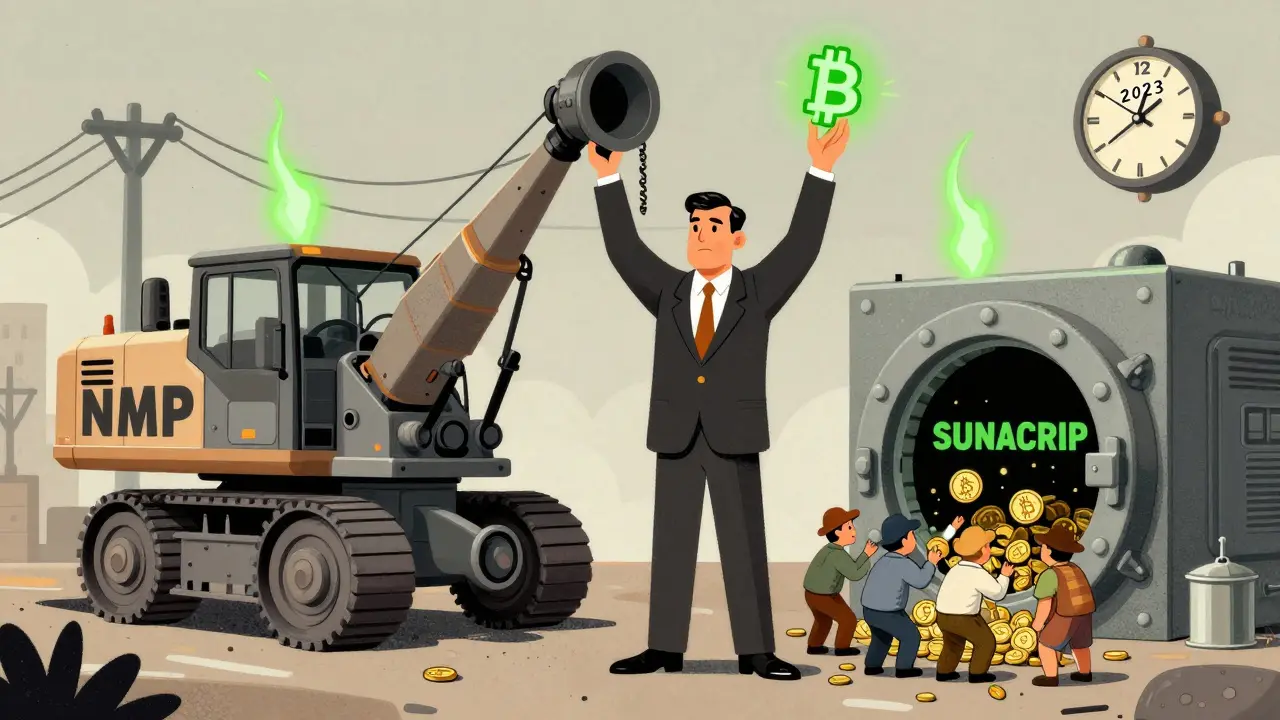
State Control of Crypto Mining in Venezuela: How the Government Manages and Restricts Digital Mining
Venezuela's state-controlled crypto mining system is legally enforced but practically broken. With shifting rules, paralyzed regulators, and unreliable power, miners face chaos despite cheap electricity and high demand for crypto as a survival tool.