Venezuela Crypto Mining: How It Works and What You Need to Know
When Venezuela crypto mining, the practice of using electricity and hardware to validate Bitcoin transactions in Venezuela, often as a response to economic collapse. Also known as crypto survival mining, it became a lifeline for millions when the bolívar lost value faster than people could spend it. In a country where basic groceries cost more than a month’s salary, mining Bitcoin wasn’t a side hustle—it was a way to eat, pay rent, and keep the lights on.
What made this possible? Venezuela has some of the cheapest electricity in the world, thanks to state-subsidized hydro power. While most countries shut down mining due to high energy costs, Venezuelans rigged up home setups using old PCs, GPUs, and even stolen grid power. You didn’t need a fancy data center—just a router, a power strip, and a way to convert Bitcoin into cash through peer-to-peer markets like LocalBitcoins. Many miners traded their coins for U.S. dollars or stablecoins like USDT, then used them to buy food, medicine, or send money home. It wasn’t glamorous, but it worked.
This isn’t just about technology—it’s about survival. crypto mining regulations, government rules that control who can mine, how power is allocated, and whether crypto transactions are allowed. Also known as digital asset laws, they’ve been inconsistent in Venezuela: sometimes ignored, sometimes cracked down on, but rarely enforced fairly. The government tried to ban mining in 2018, then launched its own state-run crypto, Petro, which failed. Meanwhile, ordinary people kept mining. Even when the power went out, they’d use solar panels or generators. When the internet cut, they’d move to community hubs where dozens of miners shared bandwidth. This wasn’t speculation—it was adaptation.
And it’s not over. Even as global mining shifts to places like the U.S. and Saudi Arabia with cleaner, cheaper energy, Venezuela still has a quiet but active underground network. People there aren’t chasing riches—they’re chasing stability. They know the rules change daily, the risks are high, and the rewards are uncertain. But they also know that if you can mine one Bitcoin, you can feed your family for months.
Below, you’ll find real stories, technical breakdowns, and legal insights from people who’ve lived through this. Some posts explain how to set up a miner with limited power. Others warn about scams targeting desperate users. A few even cover how crypto mining connects to broader issues like U.S. sanctions, black-market energy theft, and cross-border remittances. This isn’t theory. It’s what’s happening right now—in homes, garages, and basements across Venezuela.
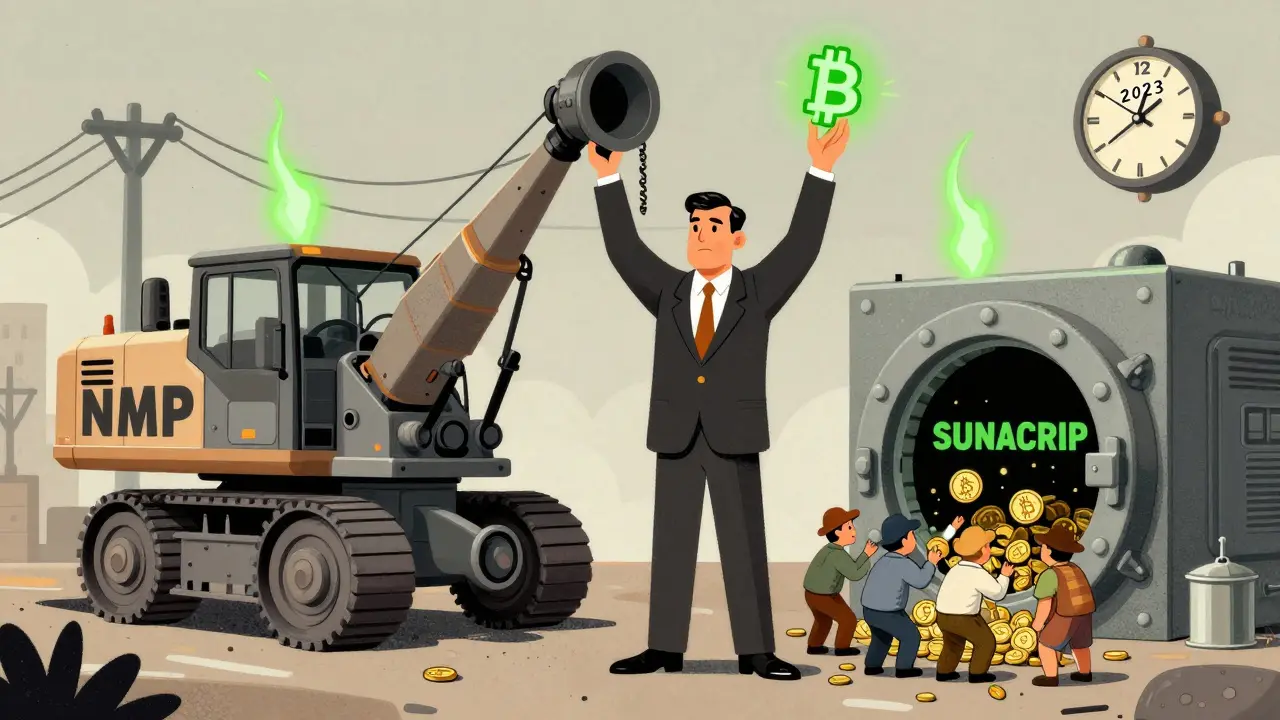
State Control of Crypto Mining in Venezuela: How the Government Manages and Restricts Digital Mining
Venezuela's state-controlled crypto mining system is legally enforced but practically broken. With shifting rules, paralyzed regulators, and unreliable power, miners face chaos despite cheap electricity and high demand for crypto as a survival tool.