SBA Loan Liquidation: What Happens When a Business Can't Repay
When a business fails to repay an SBA loan, a government-backed loan program designed to help small businesses start or grow. Also known as Small Business Administration loan, it's one of the most common funding sources for startups and small enterprises in the U.S. If payments stop, the SBA doesn’t forgive the debt — it enforces liquidation. This isn’t a negotiation. It’s a legal process that starts with asset seizure and ends with personal liability for many borrowers.
SBA loan liquidation isn’t just about business assets. If you signed a personal guarantee — which most owners do — your home, car, savings, and even future income can be at risk. The SBA works with certified liquidators to sell off equipment, inventory, real estate, and accounts receivable. The proceeds go first to the lender, then to the SBA to cover its share of the loss. Any remaining balance? You still owe it. That’s why so many small business owners face collections, wage garnishments, or tax offsets long after their business closes.
What makes SBA loan liquidation different from regular business bankruptcy? The SBA has special powers. It can pursue recovery for up to 10 years. It doesn’t need a court order to freeze bank accounts. And unlike private lenders, it can report defaults to credit bureaus under your personal name, not just the business’s. This is why many owners panic when they miss one payment. The clock starts ticking the moment you fall behind — not when the lender sends a notice.
There’s no magic fix. But knowing how the process works gives you leverage. Some borrowers avoid liquidation by negotiating a settlement before default. Others restructure payments through an SBA Offer in Compromise. A few even get partial debt forgiveness if they can prove extreme hardship. But these options vanish once the SBA refers your loan to the U.S. Department of Treasury for collection. At that point, you’re dealing with federal debt collectors — not your bank.
The posts below show real cases: businesses that lost everything after missing payments, owners who fought back with legal help, and others who caught warning signs early enough to walk away with something left. You’ll see how SBA collateral rules apply to different industries, what happens when a business has no assets to sell, and why personal guarantees are the hidden trap most owners don’t understand until it’s too late. These aren’t theoretical scenarios. They’re documented outcomes from actual SBA liquidations. What you learn here could save your home, your credit, or your future.
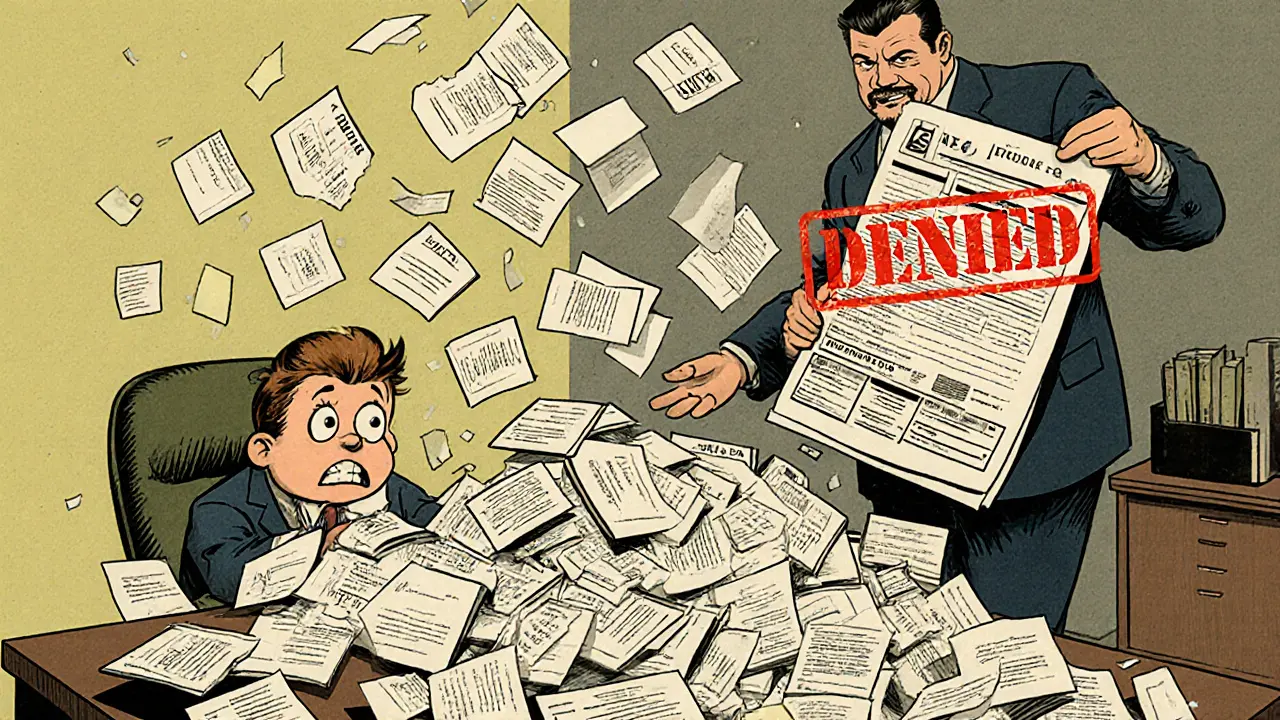
How Liquidation Works in Collateralized Loans Across Traditional and DeFi Systems
Liquidation in collateralized loans works differently across traditional finance and DeFi. Understand how SBA loans, CLOs, and blockchain protocols handle defaults, what triggers liquidation, and how to protect yourself.