Liquidation Process in Crypto: What Happens When Your Position Gets Closed
When you trade crypto on margin or use leverage, the liquidation process, the automatic closing of a leveraged position when losses hit a critical point is your worst-case scenario. It’s not a punishment—it’s a safety mechanism built into exchanges and DeFi protocols to stop you from owing more than you have. If your collateral drops too low, the system sells your position to cover the loan. No warning. No second chance. Just a flatline on your portfolio.
This isn’t just about Binance or Bybit. The same liquidation process, the automated closing of a leveraged position when collateral falls below the maintenance margin happens on decentralized platforms like Aave or Compound. If you borrow USDC against ETH and ETH crashes, your position gets liquidated. You lose your collateral, and the liquidator takes a cut. It’s not magic. It’s math. And it’s happening right now to traders who ignore the liquidation price, the exact price at which a leveraged position becomes unsafe and triggers automatic closure. Most beginners think they’re safe as long as they don’t sell. They’re wrong. You don’t need to sell to lose everything. The market does it for you.
Why does this keep happening? Because people chase high APYs in DeFi lending pools or bet big on memecoins with 10x leverage, thinking the pump will last forever. But the margin trading, trading with borrowed funds to amplify gains (and losses) model only works if prices move your way. When they don’t, the system kicks in. Look at the BitOrbit airdrop collapse or the MilkshakeSwap failure—both involved traders over-leveraged and got wiped out when liquidity vanished. The DeFi liquidation, the automated seizure of collateral in decentralized lending protocols when loan-to-value ratios breach thresholds doesn’t care if you believed in the project. It only cares about the numbers.
You can’t avoid the liquidation process by hoping. You avoid it by understanding your risk. Know your liquidation price before you open a trade. Keep extra collateral. Use lower leverage. Watch the market, not the charts. The posts below show real cases: how Cambodia’s crypto ban forced traders to adjust positions overnight, how Solarbeam’s low liquidity made liquidations more likely, and how wrapped asset custody risks can trigger unexpected closures. You’ll see why some airdrops failed because users were over-leveraged, and why privacy coin delistings changed how exchanges manage risk. This isn’t theory. It’s what’s happening to real people. And you don’t want to be one of them.
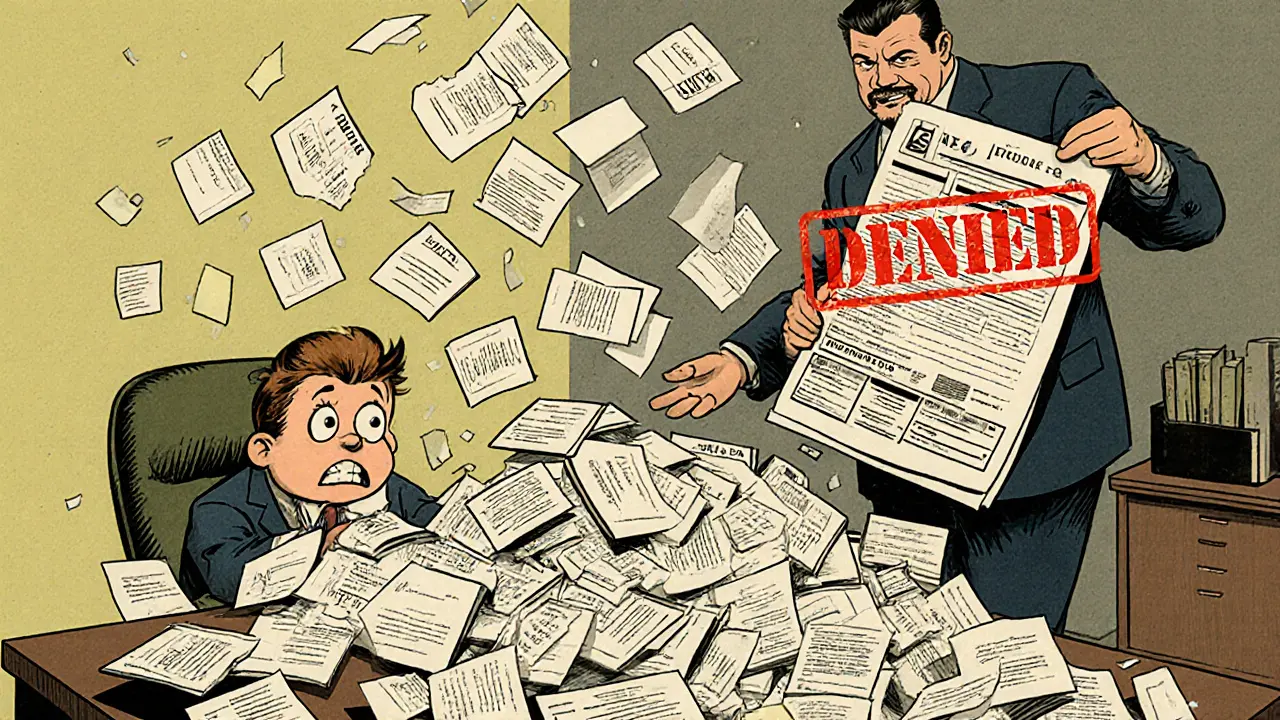
How Liquidation Works in Collateralized Loans Across Traditional and DeFi Systems
Liquidation in collateralized loans works differently across traditional finance and DeFi. Understand how SBA loans, CLOs, and blockchain protocols handle defaults, what triggers liquidation, and how to protect yourself.