DeFi Liquidation: What It Is, Why It Happens, and How to Avoid It
When you borrow crypto in DeFi, you put up something you own—like ETH or USDC—as collateral, an asset pledged to secure a loan in decentralized finance. This is the foundation of DeFi lending, a system where users lend or borrow crypto without banks, using smart contracts instead. But if the value of your collateral falls too far, the system automatically sells it to cover the loan. That’s DeFi liquidation, the forced sale of collateral when a borrower’s loan becomes undercollateralized. It’s not a bug—it’s built into the design. And if you don’t understand it, you could lose your assets overnight.
DeFi liquidation isn’t rare. In 2022, over $2 billion in crypto was liquidated across just three major platforms. Why? Because prices move fast. If you borrow $5,000 worth of USDC using ETH as collateral, and ETH drops 40% in a day, your loan might suddenly be 120% loan-to-value. The smart contract doesn’t care if you’re sick, busy, or just didn’t check your phone. It sees risk. It acts. And it sells your ETH to get its money back. That’s why smart contract risk, the danger of automated systems executing trades or penalties without human intervention is so real. You’re trusting code, not a person. And code doesn’t give second chances.
Some platforms are riskier than others. Aave and Compound let you borrow up to 80% of your collateral’s value—tight margins. Others, like MakerDAO, are more conservative. But even then, a sudden market crash can trigger cascading liquidations. That’s why many experienced users keep their loan-to-value ratios under 50%. They also use price alerts, add more collateral before it gets close to the edge, or choose stablecoins like USDC over volatile tokens. It’s not about being rich—it’s about being careful. The people who lose money in DeFi aren’t always the ones who picked bad coins. They’re the ones who didn’t realize how quickly a 10% drop can turn into a 100% loss.
And it’s not just about the numbers. The tools you use matter too. If you’re using a DEX like Solarbeam or SundaeSwap to trade your collateral, you might face slippage or low liquidity when you try to bail yourself out. Meanwhile, wrapped assets like WBTC add another layer of risk—if the custodian fails, your collateral isn’t just down in value, it might not exist at all. DeFi liquidation isn’t just a financial event. It’s a test of your entire setup: your platform, your assets, your timing, and your awareness.
Below, you’ll find real examples of what happens when things go wrong—and what works when they don’t. From failed IDOs that left users underwater to lending platforms that slashed collateral without warning, these posts show you the patterns before you get caught in them. No fluff. No hype. Just what you need to know to keep your crypto safe.
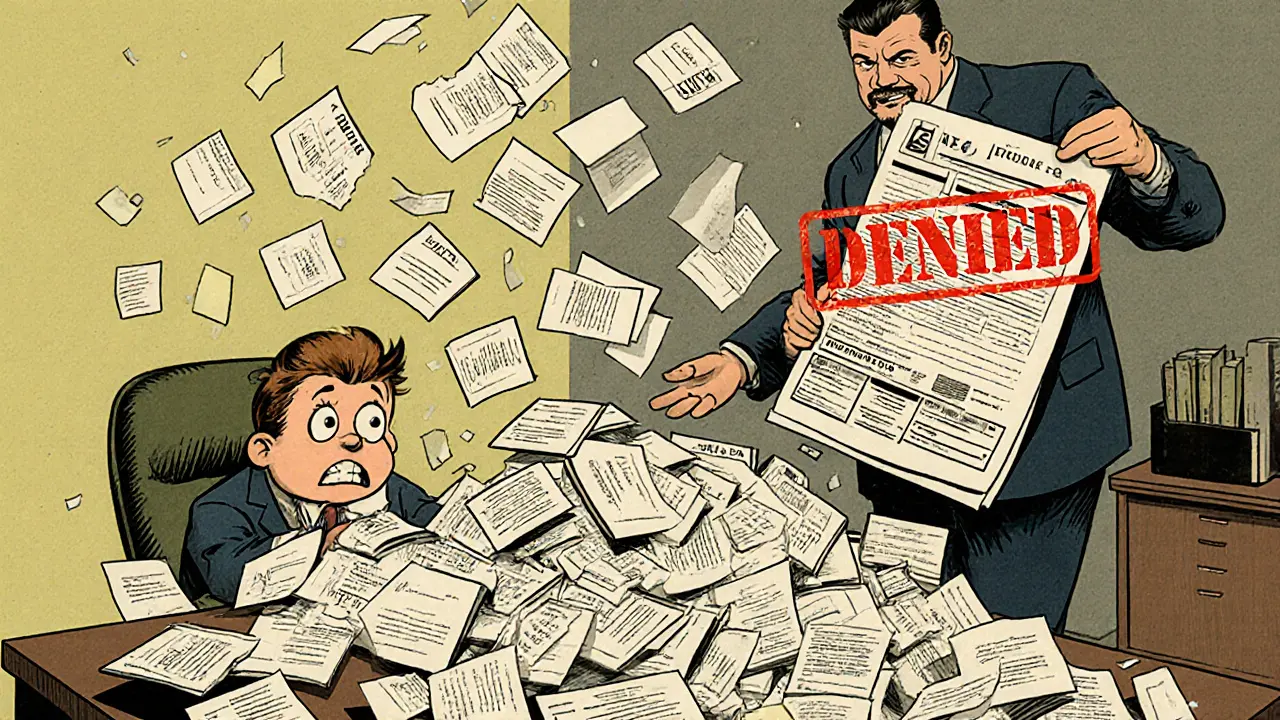
How Liquidation Works in Collateralized Loans Across Traditional and DeFi Systems
Liquidation in collateralized loans works differently across traditional finance and DeFi. Understand how SBA loans, CLOs, and blockchain protocols handle defaults, what triggers liquidation, and how to protect yourself.