Decentralized FX: What It Is and Why It Matters in Crypto Trading
When you hear decentralized FX, a system for trading currencies or assets without a central authority, using blockchain-based platforms. Also known as decentralized foreign exchange, it lets you swap one digital asset for another directly from your wallet—no bank, no broker, no delays. This isn’t just crypto trading with a fancy name. It’s a shift in who controls the money flow. Traditional forex needs banks, clearinghouses, and hours to settle. Decentralized FX happens in seconds, on-chain, with no one in the middle holding your cash.
It works because of decentralized exchanges, platforms like HDEX and Solarbeam that let users trade peer-to-peer without giving up control of their funds. These platforms use smart contracts to match buyers and sellers. Some use automated market makers (AMMs), like Uniswap. Others use order books, like the ones on HDEX or DEXes that let you place limit orders. The key difference? You never send your crypto to a company. You trade from your own wallet. That’s why blockchain finance, the use of public ledgers to handle money transfers, lending, and trading without intermediaries. is growing fast—even as centralized exchanges face regulatory pressure.
But decentralized FX isn’t perfect. Low liquidity can mean bad prices. No audits? That’s a red flag. Some DEXes, like MilkshakeSwap or RadioShack Swap, have almost no trading volume. Others, like FalconX, focus on institutions, not retail. And while privacy coins like Monero used to be big in crypto, many exchanges are delisting them because regulators say they’re too risky. That’s shaping what’s available on decentralized FX platforms today.
What you’ll find below isn’t theory. It’s real cases. You’ll see how HDEX tries to connect Bitcoin and Ethereum trading without custodians. You’ll see why Solarbeam works well for Moonriver tokens but not for everyone. You’ll read about order books on DEXes that behave like traditional trading floors—except they run on code, not humans. And you’ll learn why some platforms, like SOLIDINSTAPAY or GoodExchange, are outright scams pretending to be decentralized. This isn’t about hype. It’s about knowing what’s real, what’s risky, and what actually moves the market.
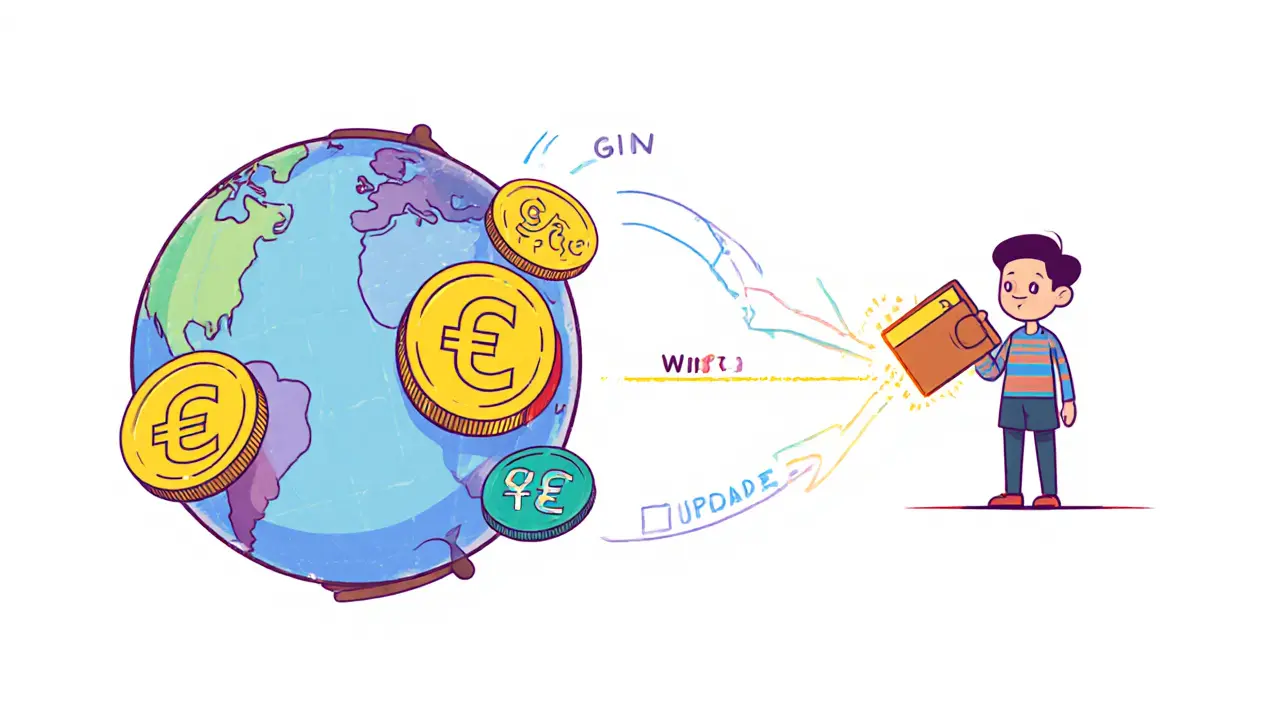
DFX Finance (Polygon) Crypto Exchange Review: A Niche Stablecoin Exchange for Cross-Border Payments
DFX Finance is a niche decentralized exchange on Polygon that swaps fiat-backed stablecoins like EURT and JPYC without USD intermediaries. It's fast, cheap, and built for cross-border payments - but not for casual traders.