Crypto Mining Ban in Venezuela: Why It Happened and What It Means
When Venezuela, a country with hyperinflation and an unstable power grid, tried to ban crypto mining to save electricity, it looked like a smart move. But the ban didn’t work. Instead, it exposed how hard it is to stop people from using crypto when the local currency is worthless. Bitcoin mining, the process of verifying blockchain transactions using powerful computers became a survival tactic for many, not a luxury. Even after the government cracked down, miners kept running rigs—often using stolen power or hidden setups in homes and warehouses. The crypto mining ban in Venezuela, a policy meant to stabilize the national grid ended up being more symbolic than effective.
The real issue wasn’t mining itself—it was the collapse of the energy system. Venezuela’s power grid has been failing for years. When the government tried to shut down miners, they weren’t just targeting tech enthusiasts—they were trying to stop the only thing keeping some families alive. Miners traded crypto for food, medicine, and fuel. Some even used mining rewards to pay rent. The ban didn’t kill mining; it just drove it underground. Meanwhile, neighboring countries like Colombia and Brazil saw a spike in Venezuelan miners crossing borders with their rigs. The crypto mining legality, a topic that varies wildly from country to country became a blunt tool in a country with no real enforcement power. The state couldn’t track every miner, and even if they could, arresting them wouldn’t fix the electricity crisis.
What happened in Venezuela isn’t just a story about one country’s failed policy. It’s a case study in how crypto behaves under extreme economic stress. When people lose faith in their currency, they look for alternatives—and crypto mining became one of the few ways to turn wasted electricity into real value. The ban didn’t stop miners. It just made them more creative. Today, reports still surface of mining operations running in abandoned buildings, rural towns, and even inside gas stations. The government eventually stopped enforcing the ban outright—not because they changed their mind, but because they ran out of options. If you’re wondering why crypto thrives in places with weak institutions, Venezuela’s story gives you the answer: it’s not about freedom. It’s about survival.
Below, you’ll find real stories, technical breakdowns, and policy analyses that show how crypto mining survived—despite the ban. Some posts dig into how miners bypassed controls. Others look at how the crackdown affected local communities. You’ll also see how Venezuela’s experience compares to other countries trying to control crypto. There’s no fluff here—just what actually happened, and why it matters for anyone trying to understand crypto in the real world.
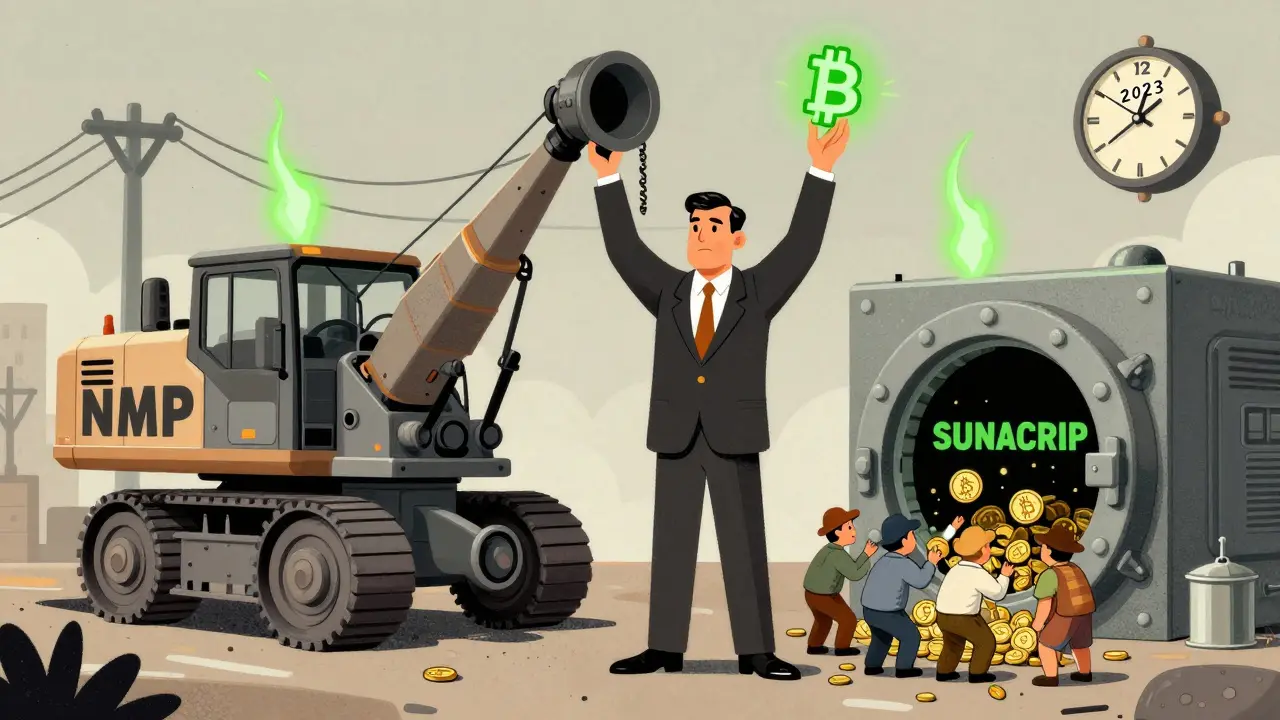
State Control of Crypto Mining in Venezuela: How the Government Manages and Restricts Digital Mining
Venezuela's state-controlled crypto mining system is legally enforced but practically broken. With shifting rules, paralyzed regulators, and unreliable power, miners face chaos despite cheap electricity and high demand for crypto as a survival tool.