Crypto Compliance: What It Means, Who It Affects, and How to Stay Legal
When you trade, hold, or build with cryptocurrency, you’re not just dealing with technology—you’re navigating a web of crypto compliance, the set of legal and regulatory rules that govern how digital assets are used, taxed, and reported. Also known as crypto regulation, it’s what separates legitimate platforms from scams and protects users from fines or worse. This isn’t optional. Whether you’re in India paying 1% TDS on every trade, a Nigerian business applying for a VASP licensing, a mandatory license for crypto businesses to operate legally under the SEC’s oversight, or a US expat renouncing citizenship and facing an exit tax, a one-time tax on worldwide assets, including crypto, when leaving the country, compliance is your first line of defense.
Global regulators aren’t waiting. The FATF crypto, the Financial Action Task Force’s global standards for anti-money laundering in digital assets pushed countries like the UAE to clean up their rules—leading to banking access and exchange growth. Meanwhile, Vietnam slapped on a 0.1% tax on every trade, and India turned crypto into a taxable event with no legal safety net. These aren’t distant policies—they directly affect your wallet. If you’re using P2P platforms in Tunisia or bypassing banking bans with VPNs, you’re already operating in a gray zone. Ignoring compliance doesn’t make you clever—it makes you a target.
Compliance isn’t just about taxes or licenses. It’s about knowing who’s regulated and who’s not. Platforms like Tokenlon and Merchant Moe might feel private, but if they lack proper oversight, you’re taking on legal risk with every swap. And scams like FutureX Pro or Ostable? They thrive because people assume "no KYC" means freedom—when it really means no protection. The posts below cut through the noise. You’ll find real breakdowns of crypto taxes in India and Vietnam, how VASP licensing works in Nigeria, why the UAE’s FATF removal changed everything, and what happens when you walk away from US citizenship with crypto holdings. This isn’t theory. It’s what you need to know before you click "buy," "trade," or "withdraw."
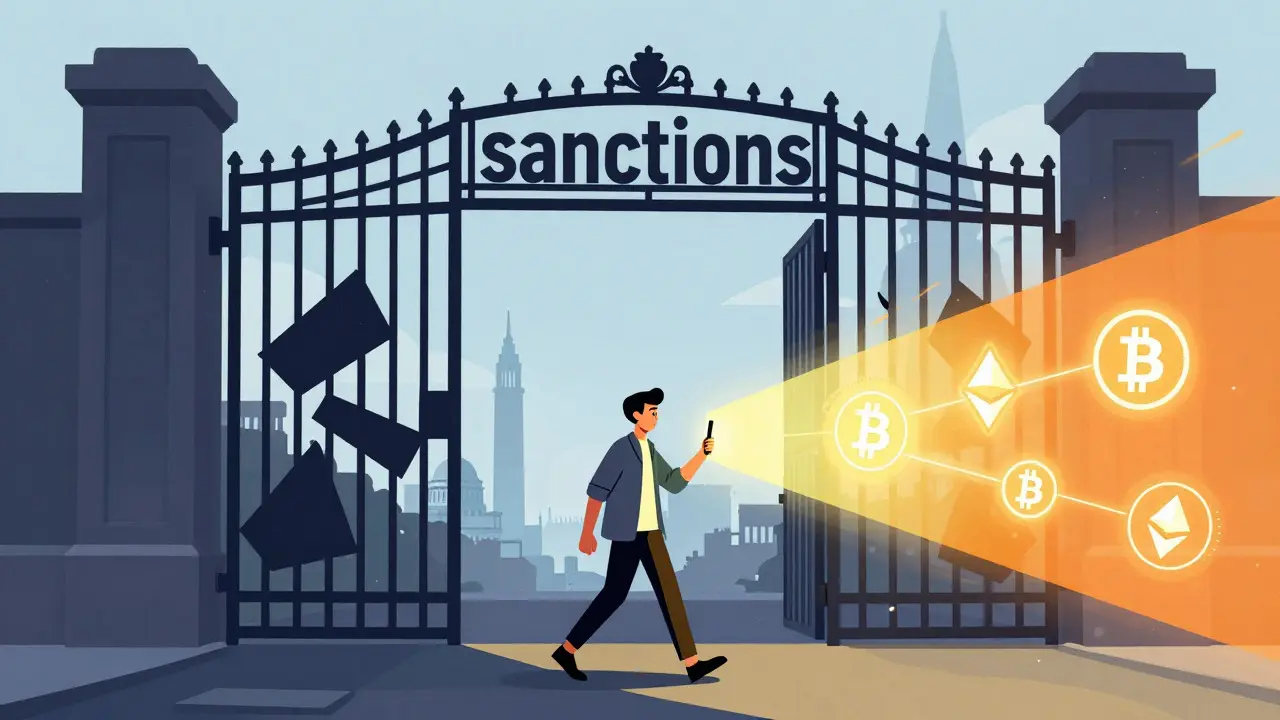
OFAC Sanctions Impact on Syrian Crypto Users: 2025 Relief Guide
Discover how the 2025 lifting of comprehensive OFAC sanctions transforms crypto access for Syrians. Learn about PAARSS, General Licenses, and what it means for your digital assets.
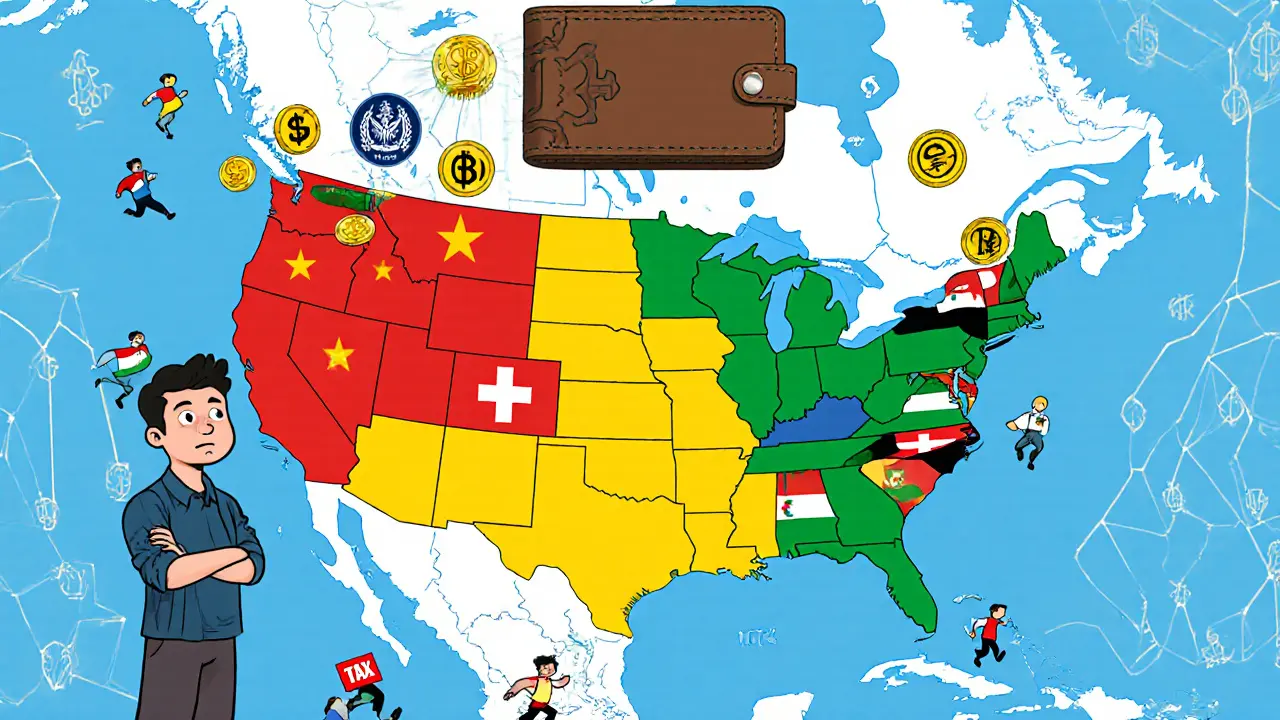
Understanding Your Jurisdiction's Crypto Laws and Regulations in 2025
Crypto laws vary wildly by country in 2025. Understand whether your jurisdiction bans, taxes, or welcomes cryptocurrency - and what you must do to stay legal and avoid penalties.