BITORB IDO: What It Is, Why It Matters, and What You Need to Know
When you hear BITORB IDO, an initial decentralized offering for a new blockchain project. It's not just another token launch—it's a chance to get in early on a project before it hits major exchanges. Unlike old-school ICOs that relied on whitepapers and hype, IDOs like BITORB happen directly on decentralized exchanges, giving real-time trading and immediate liquidity. This means your money doesn’t sit locked up for months—you can buy, sell, or hold as soon as the token goes live.
But not all IDOs are created equal. A good one, like BITORB, usually has a clear use case, a working prototype, and a team that’s been active on social channels for months. Bad ones? They pop up overnight with flashy graphics and promises of 100x returns. The difference? blockchain fundraising, the process of raising capital through token sales on decentralized platforms isn’t magic—it’s transparency. Projects that share their code, audit reports, and roadmap upfront are the ones worth paying attention to. And token sale, the event where users purchase newly issued crypto tokens isn’t just about buying in—it’s about verifying if the team can deliver.
Most IDOs you’ll see today are tied to specific ecosystems. BITORB might be built on Arbitrum, Solana, or Base—each with different fees, speeds, and user bases. That matters because if the network is slow or expensive, your investment could get stuck or cost more in gas than it’s worth. That’s why you’ll find posts here breaking down what’s real and what’s noise. Some IDOs turn into long-term projects. Others? They vanish after the first week. You’ll see examples here: projects with real traction, ones with suspiciously low liquidity, and a few that were outright scams. You won’t find fluff. Just facts about who’s building, who’s backing it, and whether the token has actual utility—or just a Twitter thread.
If you’re looking to participate in a BITORB IDO or any similar token sale, you need to know what to check before you click ‘Confirm’. Wallet setup. Gas fees. Lock-up periods. Team doxxing. These aren’t optional—they’re the bare minimum. The posts below cover exactly that: how to spot a legit IDO, what red flags to watch for, and how to protect your funds when the hype is loud and the data is thin. You’re not here to gamble. You’re here to make smarter moves. Let’s get you the tools to do it.
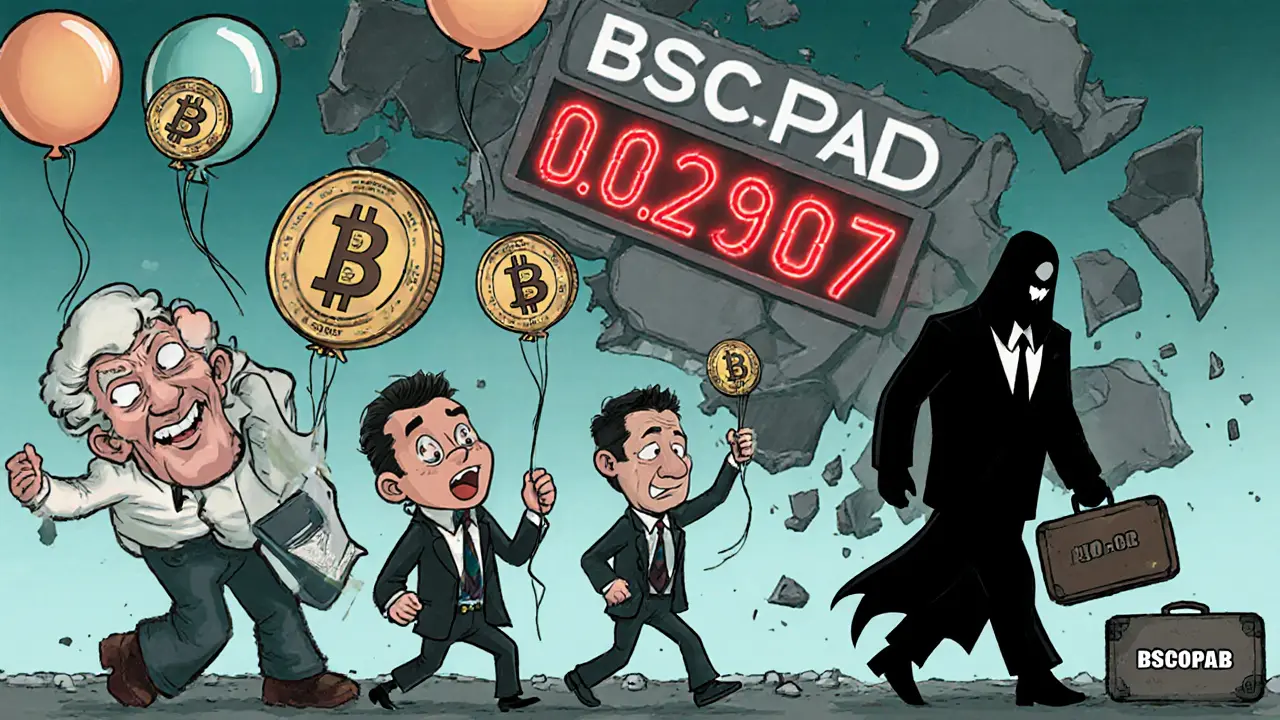
BitOrbit (BITORB) IDO Airdrop Details: What Happened and Why It Failed
BitOrbit's 2021 IDO airdrop raised $290K but collapsed to a $2,830 market cap. Learn why it failed, how launchpads have changed, and how to avoid similar crypto losses in 2025.