
Imagine waking up in 2026 and realizing that your biggest financial decision isn't about which coin to buy, but where you live. For thousands of Indian cryptocurrency traders, the math is brutal. In India, every profit from trading Bitcoin or Ethereum gets hit with a flat 30% tax, plus a 1% Tax Deducted at Source (TDS) on sales. There are no deductions for losses, fees, or expenses. It’s a heavy burden that eats into margins fast.
Across the Arabian Sea, Dubai offers a completely different reality. Here, personal income tax on crypto profits is zero. Capital gains? Zero. Wealth tax? None. This stark contrast has triggered a quiet exodus of skilled traders, developers, and investors moving their operations-and often their lives-to the United Arab Emirates. This isn't just about chasing sunshine; it's a calculated move to preserve capital in a jurisdiction that actually understands digital assets.
The Cost of Trading in India vs. Dubai
To understand why people are packing their bags, you have to look at the numbers. India’s crypto tax regime, introduced in 2022, is among the strictest in the world. When you sell a crypto asset for more than ₹50,000 ($608), the platform deducts 1% TDS immediately. If you trade frequently, this liquidity drain adds up quickly. More importantly, when you file your taxes, you pay 30% on the net profit. You cannot offset losses against gains, nor can you claim trading software costs as business expenses.
Consider a trader making $100,000 in annual profits. In India, that translates to $30,000 in direct taxes, plus additional TDS obligations that complicate cash flow. Now look at Dubai. That same $100,000 remains yours. For high-net-worth individuals managing millions, the difference isn't just thousands-it’s hundreds of thousands of dollars saved annually. This arbitrage opportunity is the primary driver behind the migration trend.
| Tax Type | India | Dubai (UAE) |
|---|---|---|
| Crypto Profit Tax | 30% Flat Rate | 0% |
| Tax Deducted at Source (TDS) | 1% on transactions >₹50k | N/A |
| Loss Deductions | Not Allowed | Allowed (for corporate entities) |
| Capital Gains Tax | Included in 30% rate | 0% |
| Wealth Tax | N/A | 0% |
Setting Up Your Legal Structure in Dubai
You can’t just fly to Dubai and start trading without planning. To legally benefit from these tax advantages, you need the right structure. Most Indian traders opt to set up a company in one of Dubai’s Free Zones. Popular choices include the Dubai Multi Commodities Centre (DMCC) is a leading free zone known for its robust regulatory framework and suitability for commodity and crypto businesses, International Free Zone Authority (IFZA), and Meydan Free Zone.
These zones offer 100% foreign ownership and don’t require a physical office if you choose flexible desk options. Once registered, you can apply for a UAE residence visa. This visa ties your legal domicile to the UAE, which is crucial for claiming tax residency. You’ll also need to open a corporate bank account in the UAE. While banking for crypto companies can be tricky, several local banks and fintech providers now cater specifically to licensed crypto firms.
For smaller traders, there’s a nuance to watch out for. The UAE introduced a 9% corporate tax in 2023. However, if your annual revenue stays below AED 375,000 (approximately $102,000), your effective tax rate is 0%. This threshold makes Dubai incredibly attractive for individual proprietary traders who want to operate professionally without paying corporate taxes on their initial growth phase.

Navigating VARA Regulations
Unlike India’s ambiguous stance, Dubai has clear rules. The Virtual Assets Regulatory Authority (VARA) is the dedicated regulator for virtual assets in Dubai, providing clear guidelines for compliance and licensing oversees all crypto activities within the emirate. VARA issues licenses for exchanges, brokers, and service providers. As an individual trader operating through your own Free Zone company, you generally don’t need a VARA license unless you’re offering services to others. However, understanding VARA’s framework ensures you’re compliant with anti-money laundering (AML) and know-your-customer (KYC) standards.
This clarity is a massive advantage. In India, regulatory uncertainty often leads to self-censorship and fear. In Dubai, you know exactly what is allowed. Major global exchanges like Binance and Coinbase have established regional headquarters here, creating an ecosystem where institutional infrastructure meets retail innovation.
The Impact of CARF on Privacy
It’s not all unregulated freedom. The UAE is aligning with international standards. Starting September 20, 2025, the Crypto-Asset Reporting Framework (CARF) began implementation, with full rollout by January 1, 2027. CARF requires crypto service providers-exchanges, custodians, and brokers-to report transaction data, customer identification, and residency status to tax authorities.
Don’t panic. CARF is about transparency, not taxation. It doesn’t change the 0% personal tax rate. Instead, it prevents Dubai from being used as a blind spot for global tax evasion. For Indian residents moving to Dubai, this means you must maintain impeccable records. If you retain tax residency in India while living in Dubai, the Indian tax authorities could still claim rights to your global income. Proper documentation of your UAE residence visa, utility bills, and time spent in the country is essential to prove your new tax residency.
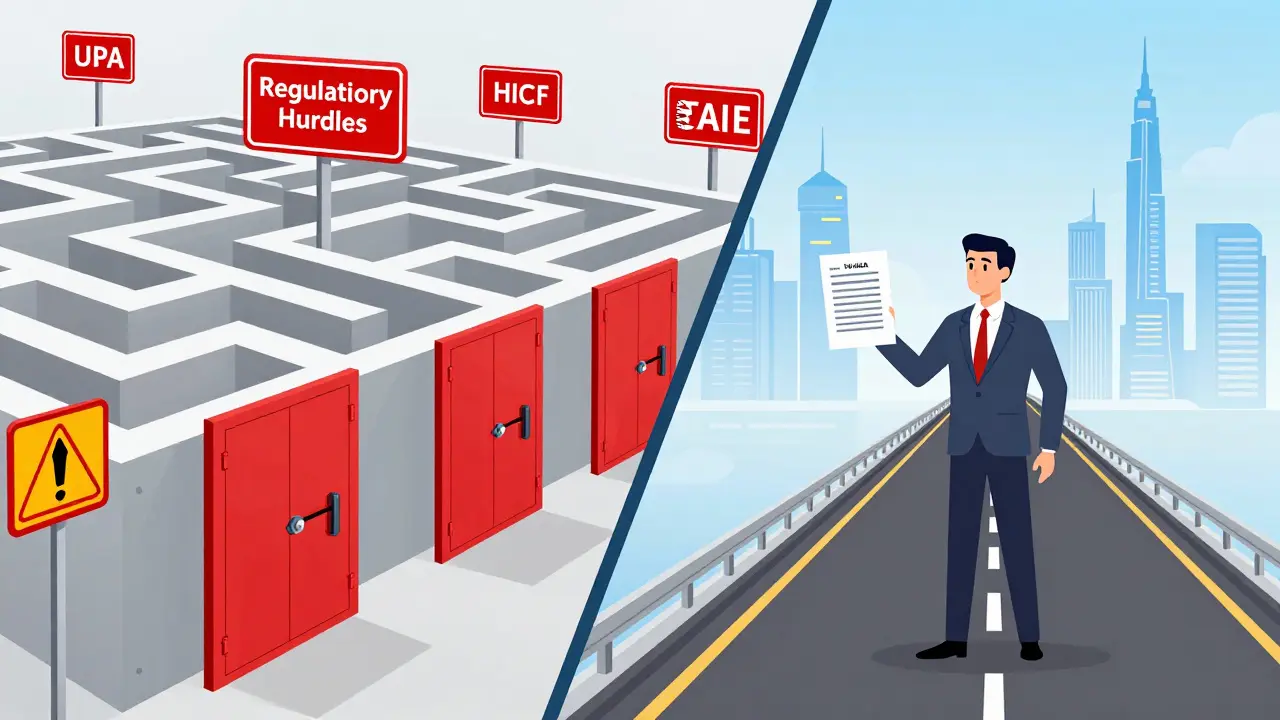
Practical Steps for Relocation
Moving your life is complex. Here’s a simplified roadmap for Indian crypto traders considering the move:
- Consult Professionals: Hire a lawyer and accountant specializing in UAE crypto law. Don’t rely on generic advice.
- Choose a Free Zone: Select DMCC, IFZA, or another zone that fits your budget and operational needs.
- Register Your Company: Complete the incorporation process and obtain your trade license.
- Apply for Residency Visa: Use your company to sponsor your UAE residence visa. This establishes your legal tie to the country.
- Open Bank Accounts: Set up corporate accounts with UAE banks that support crypto-friendly activities.
- Transfer Operations: Move your trading activity to the UAE entity. Ensure all future trades are executed through this structure.
- Document Everything: Keep detailed logs of your presence in Dubai to substantiate tax residency claims.
Is Dubai Right for You?
This move isn’t for everyone. If you’re a casual investor holding small amounts, the cost of setting up a UAE company might outweigh the tax savings. But for professional traders, active DeFi participants, and those generating significant annual profits, the benefits are undeniable. You gain access to a sophisticated financial hub, a vibrant crypto community, and a tax environment that respects your earnings.
The trend is accelerating. As India’s tax regime remains static and Dubai enhances its blockchain infrastructure, the gap widens. By 2026, Dubai isn’t just a vacation spot for Indians; it’s becoming a strategic base for crypto wealth preservation. Just remember, with great tax efficiency comes greater responsibility. Compliance is key. Stay informed, stay documented, and trade smart.
Can I keep my Indian tax residency while living in Dubai?
Technically yes, but it defeats the purpose. If you remain a tax resident in India, you may still be liable for Indian taxes on your global income. To benefit from Dubai’s 0% tax, you typically need to establish tax residency in the UAE by spending a significant portion of the year there and obtaining a residence visa.
Do I need a VARA license to trade crypto in Dubai?
Generally, no. Individual traders operating through their own Free Zone company do not need a VARA license. VARA licenses are required for businesses providing crypto services to the public, such as exchanges, wallets, or brokerage firms.
What is the minimum investment to set up a company in Dubai?
Costs vary by Free Zone. DMCC packages can range from AED 15,000 to AED 30,000 per year, including visa quotas and office space. Smaller zones like IFZA may offer lower entry points, sometimes under AED 10,000, depending on the specific license type.
How does CARF affect my privacy?
CARF increases transparency by requiring exchanges to report your transaction data to tax authorities. It does not impose new taxes, but it means your crypto activities will be visible to regulators. Proper record-keeping is essential to ensure compliance with both UAE and any previous residency countries.
Can I repatriate profits back to India tax-free?
Repatriating funds to India may trigger scrutiny. If you are no longer an Indian tax resident, receiving funds from a legitimate foreign source is generally permissible, but you must declare them correctly. Consult a cross-border tax expert to avoid complications with Indian exchange control regulations.