
Imagine you need to prove that a digital document existed at a specific moment in time. In the past, you’d pay a human notary. Today, Silent Notary offers a blockchain-based alternative. But what exactly is this token, and is it worth your attention?
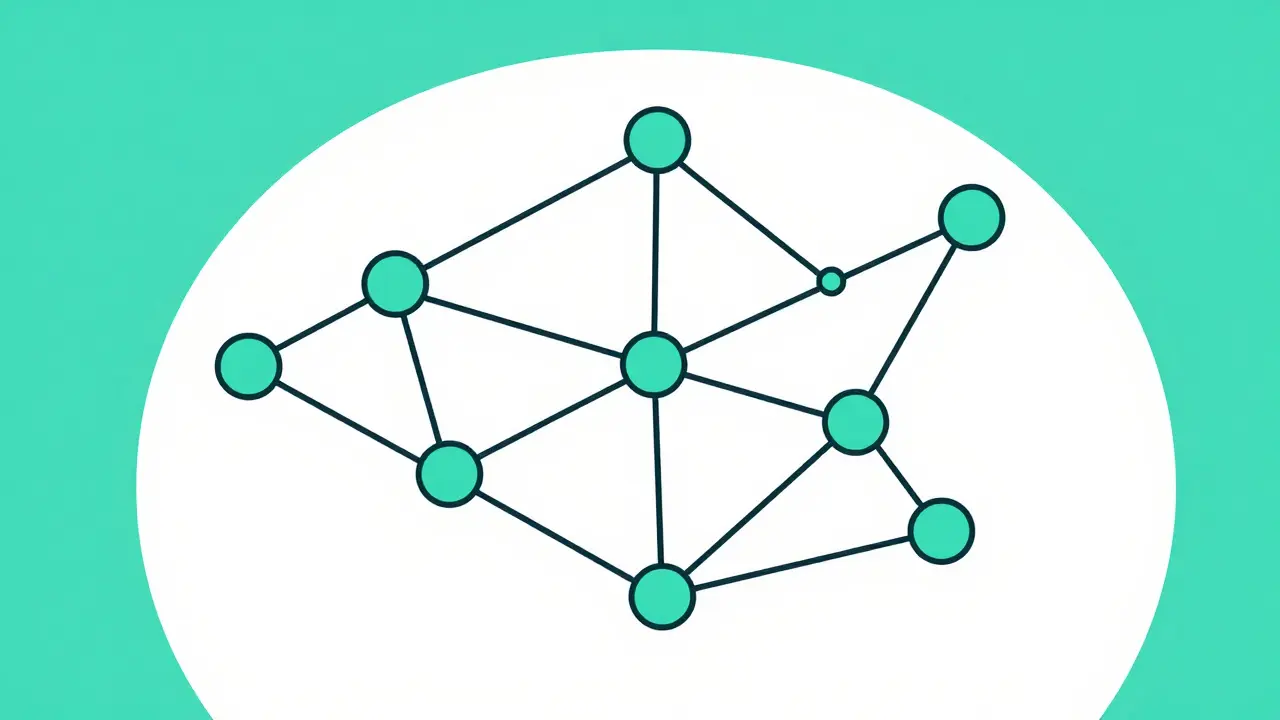
Silent Notary (UBSN) is a cryptocurrency token that powers a decentralized service for timestamping and verifying digital documents without human intervention. It operates on the UBIX.Network, using a Directed Acyclic Graph (DAG) structure to ensure records are immutable and tamper-proof.
How Silent Notary Works: The Tech Behind the Token
At its core, UBSN isn't just a speculative asset; it’s meant to be a utility token. The platform replaces traditional notaries with an algorithmic solution accessible via smartphones. Here’s how it functions:
- Distributed Verification: Instead of one person signing off, multiple independent network nodes double-check the information. This is similar to how newspapers historically timestamped events, but distributed across a global network to prevent fraud.
- UBIX.Network Infrastructure: The service runs on UBIX.Network, which uses a DAG-based registry. This allows users to create their own registries within the network for processing transactions.
- Immutability: Once a document or event is recorded, the system synchronizes timestamps across nodes. This makes it nearly impossible to alter the record later, providing "100% protection against event falsification" according to the project's claims.
You can interact with UBSN on the Ethereum network. The smart contract address is 0x86efc496dca70bcfd92d19194290e8457a375773, meaning you can hold it in MetaMask or other Ethereum-compatible wallets.
Tokenomics: Supply and Circulation
Understanding the supply is crucial because it affects potential dilution. The numbers here are messy, which is a red flag for investors. Different platforms report different figures:
| Platform | Circulating Supply | Max Supply |
|---|---|---|
| CoinGecko | Not specified clearly | 190 Billion |
| TradingView | 186.46 Billion | 186.46 Billion |
| CoinStats | ~159.6 Billion | Not specified |
The Fully Diluted Valuation (FDV) suggests that if all 190 billion tokens were in circulation, the market cap would reflect a significant theoretical value. However, the emission schedule likely means these tokens will enter the market over several years. This gradual release can put downward pressure on the price as new supply hits the market.
Price Analysis and Market Data (As of June 2026)
If you look at UBSN today, you’ll notice something strange: the price varies wildly depending on where you check. This is a common issue with low-liquidity tokens.
- CoinGecko: Reports a price around $0.055, with a 24-hour volume of ~$3,300.
- CoinStats: Shows a drastically lower price of $0.000006, with a market cap under $1 million.
- CoinCodex: Lists it near $0.051.
Why the difference? It’s often due to data aggregation methods or timing delays. More importantly, trading volume is extremely thin. Most activity happens on smaller exchanges like Probit. When liquidity is this low, even small trades can cause massive price swings.
Historically, UBSN has been volatile. Its all-time high was roughly $0.00085 in April 2022. Since then, it has seen significant declines. Technical indicators from sources like CoinCodex show bearish sentiment, with RSI levels suggesting the token is oversold. The Fear & Greed Index often hovers in "Extreme Fear" territory, indicating investor caution.
Is UBSN a Good Investment? Risks vs. Utility
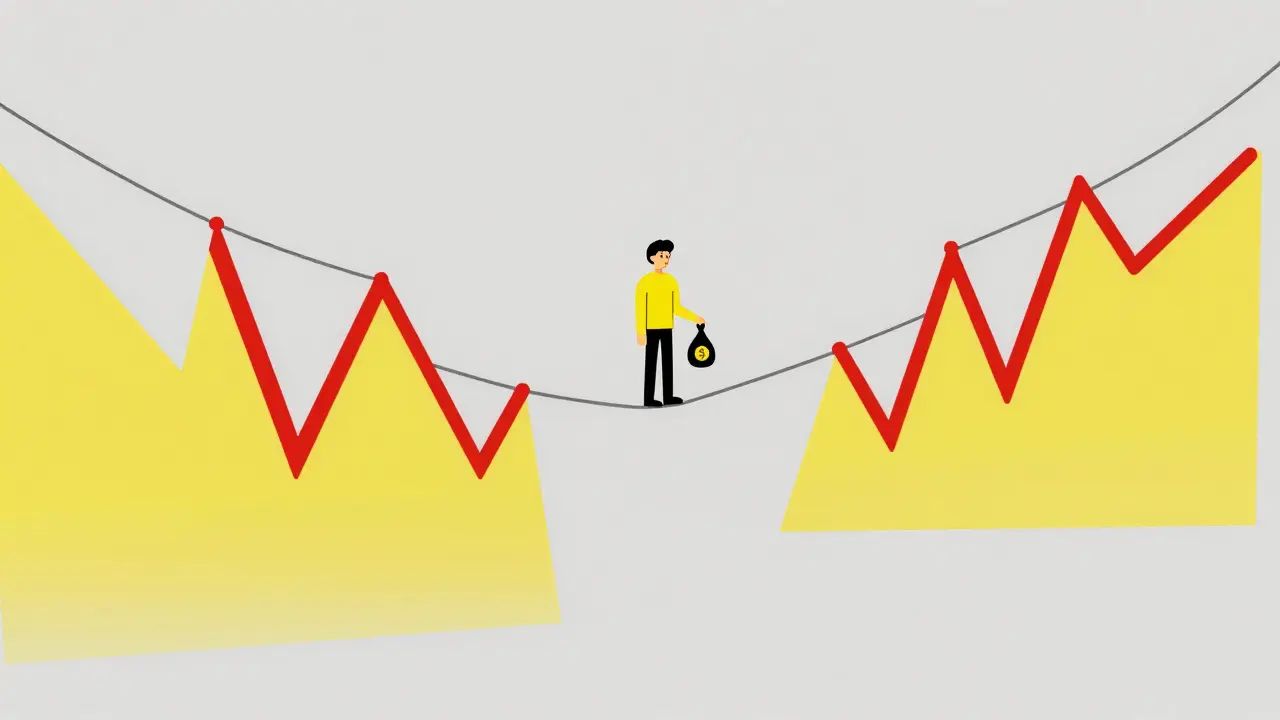
Let’s be direct: UBSN is a high-risk asset. Here’s why you should proceed with extreme caution:
- Limited Liquidity: With daily volumes often in the thousands of dollars, exiting a large position could crash the price.
- Data Inconsistency: The fact that major trackers disagree on basic metrics like price and supply suggests a lack of robust market making.
- Bearish Technicals: Moving averages and momentum indicators frequently signal sell conditions.
- Niche Use Case: While decentralized notarization is a valid concept, adoption remains limited compared to broader DeFi or NFT ecosystems.
However, the underlying technology has merit. If businesses adopt UBIX.Network for legal evidence or timestamping, demand for UBSN could rise. For now, though, it’s more of a speculative play than a stable investment.
How to Buy UBSN
If you decide to take the risk, here’s how to get started:
- Choose an Exchange: UBSN is primarily listed on Probit. Check if your region supports this exchange.
- Create a Wallet: You can use a hardware wallet or a software wallet like MetaMask. Ensure you have ETH for gas fees if interacting with the Ethereum network.
- Deposit Funds: Transfer USDT or ETH to your exchange account.
- Execute Trade: Find the UBSN/USDT pair and place your order. Be mindful of slippage due to low liquidity.
Frequently Asked Questions
What is the main purpose of the UBSN token?
The UBSN token is used to pay for notarization services on the UBIX.Network. It acts as a utility token for users who want to timestamp documents or verify digital events immutably.
Is Silent Notary safe to use?
The technology itself relies on distributed ledger principles, which are secure. However, the token’s financial safety is questionable due to low liquidity and high volatility. Always do your own research before investing.
Where can I buy UBSN?
UBSN is primarily traded on the Probit exchange. It may also appear on other smaller decentralized exchanges, but liquidity is generally highest on Probit.
Why does the price of UBSN vary so much between sites?
Price discrepancies arise from low trading volume and differences in how data aggregators calculate real-time prices. Some platforms may update slower or use different exchange feeds, leading to conflicting figures.
What is UBIX.Network?
UBIX.Network is the underlying blockchain infrastructure for Silent Notary. It uses a Directed Acyclic Graph (DAG) structure to process transactions quickly and securely without traditional mining.
8 Comments
another american tax dodge wrapped in blockchain buzzwords. the feds are watching these 'utility' tokens like hawks and you guys act like its a get rich quick scheme. typical.
why do we need machines to verify truth when we have human intuition? the soul of notary is gone now replaced by cold algorithms that dont care about justice or mercy just data points floating in the void of cyberspace
hey everyone 👋 just wanted to point out that the liquidity issue mentioned here is super common for niche utility tokens. it’s not necessarily a scam but definitely risky 📉 make sure you check the contract address before buying anything on probit because there are so many fake copies out there right now 😬 always DYOR folks!
It is utterly pathetic how little research most of you conduct before engaging with such speculative assets. The tokenomics are a disaster waiting to happen with such massive supply discrepancies. One must be extremely cautious, if not entirely avoidant, of such poorly structured financial instruments. 🤡
This whole crypto thing is just another way for foreign entities to bypass our sovereign legal systems. We need American notaries, American laws, and American control over digital records. This DAG nonsense is a threat to national security and economic stability. Wake up people.
I understand the appeal of decentralized verification for those who feel marginalized by traditional banking systems, but please remember that low liquidity means you might not be able to sell when you need to. It is important to approach this with clear eyes and perhaps consult a financial advisor who understands your personal situation rather than relying solely on internet forums. Let us support each other in making informed decisions.
so basically its a digital receipt that costs more than the document itself lol. why would anyone use this when they can just take a screenshot and email it to themselves? the tech bros really thought they solved a problem that doesnt exist for the average joe. sarcasm aside the price action looks dead.
look i get that different cultures have different approaches to trust and verification but this seems overly complicated for what it does. maybe in some parts of the world where legal infrastructure is weak this could help but here in the states we have plenty of lawyers already. let's keep things simple and accessible for everyone.