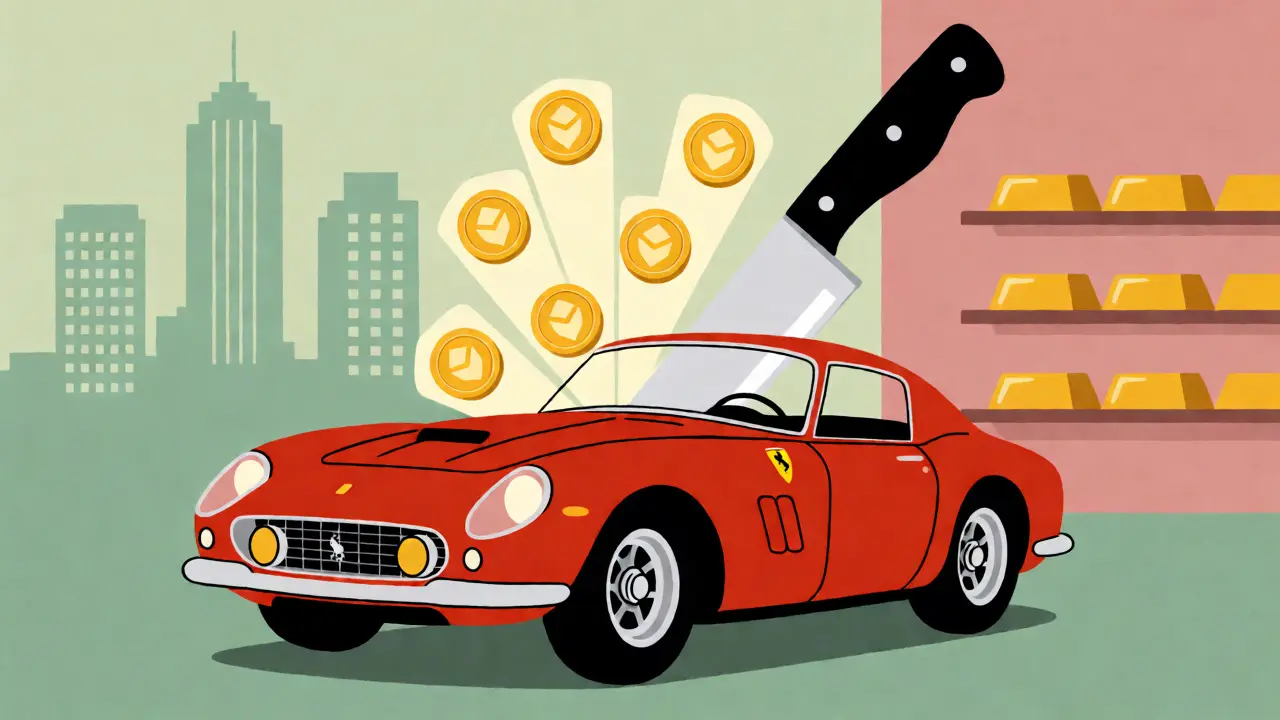
Imagine owning a slice of the Empire State Building or a share in a rare vintage Ferrari, but instead of dealing with lawyers and paperwork for months, you just buy a digital token. That’s Real World Asset (RWA) Tokenization in a nutshell. It’s the process of converting rights to a physical or digital asset into a digital token on a blockchain. Think of it as putting a barcode on your house, your gold bars, or your music royalties, making them easier to trade, split up, and manage.
This isn’t just sci-fi hype. Major financial institutions are already testing this tech because it solves some stubborn problems in traditional finance: illiquidity, high barriers to entry, and slow settlement times. If you’ve ever wanted to invest in real estate but couldn’t afford a whole apartment complex, or if you’re curious why everyone from BlackRock to local startups is talking about "on-chain" assets, you’re in the right place. We’ll break down what RWA tokenization actually is, how it works under the hood, and whether it’s worth your attention.
The Core Concept: Why Tokenize Anything?
Real World Asset Tokenization is the creation of digital tokens on a blockchain that represent ownership or specific rights to tangible and intangible assets. These assets range from skyscrapers and farmland to intellectual property like patents and even carbon credits. The goal is simple: take something valuable but hard to move or divide, and make it liquid, transparent, and accessible.
Traditional finance relies heavily on intermediaries-banks, brokers, custodians-to verify ownership and facilitate trades. This adds cost and time. By moving these records to a distributed ledger, we cut out the middlemen. Smart contracts automate the rules. For example, if you own a tokenized bond, the smart contract can automatically distribute interest payments to your wallet every quarter, no bank transfer fees required.
But it’s not just about speed. It’s about access. Historically, investing in private equity or commercial real estate was reserved for institutional investors or the wealthy. Tokenization allows for fractional ownership, meaning you can buy $100 worth of a $10 million building. This democratizes investment opportunities, letting regular people diversify their portfolios beyond stocks and bonds.
How Does It Actually Work?
The process isn’t magic; it’s a mix of legal structuring and technical implementation. First, you have to pick an asset and evaluate its value. Then comes the tricky part: legal structuring. You need to ensure that holding a digital token legally grants you rights to the underlying asset. This usually involves creating a special entity, often called a Special Purpose Vehicle (SPV), which holds the actual asset. The tokens then represent shares in that SPV.
Once the legal framework is set, developers mint the tokens on a blockchain. They choose between two main structures:
- Tokenized SPV (Indirect): The asset sits in a company or trust. Tokens represent shares in that company. This is the most common approach because it fits neatly within existing securities laws.
- Direct Asset Tokenization: The token represents a direct claim on the asset itself. This is cleaner technically but faces tougher regulatory hurdles and is harder to implement for things like land titles.
Technically, these tokens often follow standards like ERC-20 (for fungible tokens, like shares) or ERC-721 (for non-fungible tokens, representing unique items). To keep the digital token tied to reality, projects use oracles. These are secure data feeds that bring off-chain information (like the current price of gold or the status of a property inspection) onto the blockchain. Without reliable oracles, the system breaks down because the blockchain can’t see the real world on its own.
What Can Be Tokenized?
The list is surprisingly long. While crypto natives started with simple things, the scope has exploded. Here’s a look at the major categories driving the market today:
| Asset Class | Examples | Primary Benefit of Tokenization |
|---|---|---|
| Real Estate | Residential homes, commercial offices, warehouses | Liquidity and fractional ownership |
| Commodities | Gold, silver, oil, agricultural products | Easier trading without physical delivery |
| Private Credit | Loans, invoices, bonds | Faster settlement and global capital access |
| Collectibles | Art, luxury watches, wine, classic cars | Provenance tracking and shared ownership |
| Intellectual Property | Music royalties, patents, film rights | Transparent royalty distribution |
Notice the pattern? Anything with value that is currently hard to buy, sell, or prove ownership of is a candidate. For instance, selling a piece of fine art traditionally takes weeks due to authentication and shipping. With a tokenized version, you can trade shares of that artwork instantly on a secondary market, while the physical piece stays safely in a vault.
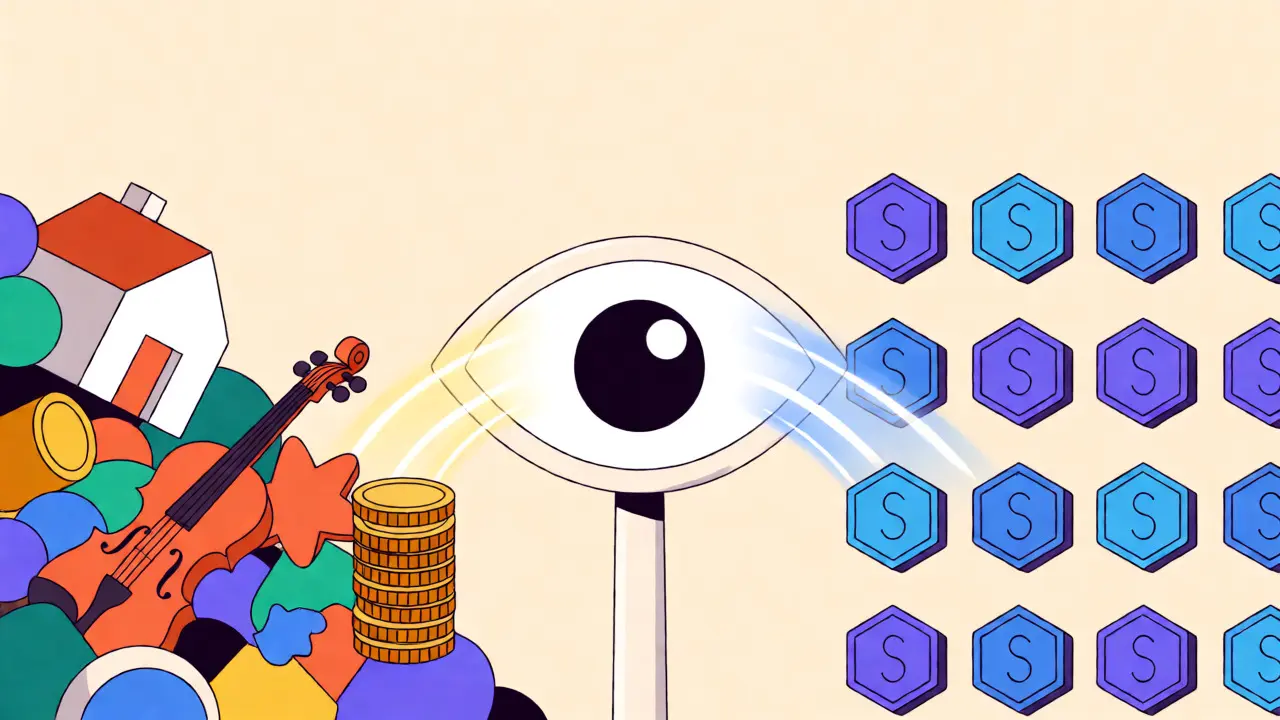
The Big Wins: Liquidity and Transparency
Why are banks spending billions on this? Two words: liquidity and transparency.
In traditional markets, real estate is notoriously illiquid. Selling a building can take six to twelve months. With tokenization, you can potentially sell your fraction of that building in seconds, 24/7, globally. There’s no waiting for business hours or closing days. This constant availability changes how investors think about risk and return.
Then there’s transparency. Every transaction is recorded on the blockchain. You can audit the entire history of an asset’s ownership, payments made, and legal transfers without relying on a single centralized database that could be hacked or manipulated. This immutable record reduces counterparty risk-the fear that the other side of the deal won’t hold up their end.
For financial instruments like bonds, tokenization streamlines the lifecycle. Issuance, trading, clearing, settlement, and safekeeping all happen on one layer. This consolidation cuts costs significantly. According to industry analyses, including those from McKinsey, this efficiency could save trillions in operational costs across the global financial system over the next decade.
The Hurdles: Regulation and Oracles
It’s not all smooth sailing. The biggest roadblock is regulation. Laws vary wildly by country. In the US, the Securities and Exchange Commission (SEC) treats many tokenized assets as securities, meaning they require strict compliance. In Singapore or Switzerland, regulations might be more flexible. Navigating this patchwork is tough for companies trying to go global.
Another critical issue is the "oracle problem." Blockchains are closed systems. They don’t know what happens outside unless someone tells them. If the oracle providing data on a tokenized warehouse’s inventory gets hacked or provides bad data, the token’s value becomes disconnected from reality. Projects like Chainlink are working hard to solve this by providing decentralized, tamper-proof data feeds, but it remains a key area of development.
Finally, there’s user experience. Buying a token still requires understanding wallets, gas fees, and seed phrases. Until interfaces become as easy as using a banking app, mainstream adoption will remain limited to tech-savvy investors and institutions.
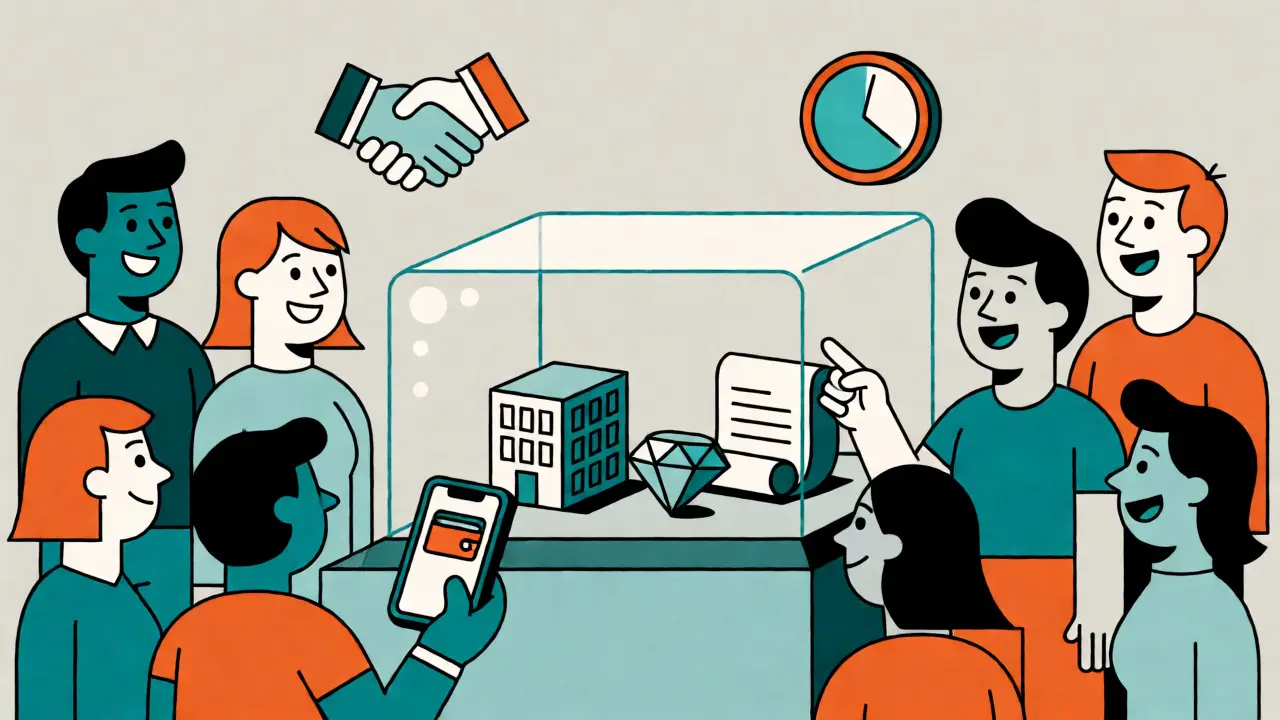
Who Is Leading the Charge?
You might assume this is only for crypto startups, but big players are jumping in. Traditional finance giants like JPMorgan and Goldman Sachs are experimenting with tokenized deposits and securities. On the tech side, platforms like Polymesh and Securitize specialize in compliant security tokens. Meanwhile, DeFi protocols are building lending markets where you can borrow against your tokenized real estate holdings.
The ecosystem is maturing fast. Early projects focused on simple utility tokens, but now we see complex structures involving multi-signature wallets, automated compliance checks, and cross-chain interoperability. Tools like Chainlink’s Cross-Chain Interoperability Protocol (CCIP) allow tokenized assets to move between different blockchains, preventing fragmentation and expanding liquidity pools.
Is It Right for You?
If you’re an investor looking for diversification, RWA tokenization offers exposure to uncorrelated assets. Real estate and commodities often behave differently than stocks. However, it’s not risk-free. Smart contract bugs, regulatory changes, and platform failures are real threats. Always do your due diligence. Check who audits the smart contracts, where the physical asset is stored, and what legal rights the token actually grants.
For businesses, tokenization can unlock trapped capital. Instead of taking out a loan, a company could tokenize its receivables and sell them directly to investors, often at better rates. It’s a powerful tool for cash flow management, provided the legal groundwork is solid.
Is tokenizing real world assets legal?
Yes, but it depends on jurisdiction. Most developed countries allow it under specific frameworks, often treating the tokens as securities. Compliance with local laws, such as KYC (Know Your Customer) and AML (Anti-Money Laundering) checks, is mandatory.
Do I own the physical asset when I buy a token?
Usually, you own a claim on the asset held by a legal entity (SPV), not the asset itself directly. The legal documents associated with the token define your exact rights, such as dividends or voting power.
Which blockchains are best for RWA tokenization?
Ethereum is popular due to its large developer ecosystem and security. However, specialized chains like Polygon, Avalanche, and enterprise-focused ledgers like Hyperledger Fabric are also widely used depending on the need for speed, cost, or privacy.
What is the difference between a fungible and non-fungible token in this context?
A fungible token (like ERC-20) represents identical shares, such as 1% of a fund. A non-fungible token (NFT) represents a unique asset, like a specific painting or a unique deed to a parcel of land. Both can represent real-world assets, but they serve different use cases.
How do oracles help with real world assets?
Oracles act as bridges between the blockchain and the real world. They provide external data, such as commodity prices, interest rates, or proof of insurance, ensuring that the smart contracts governing the token operate based on accurate, real-time information.
9 Comments
Great breakdown! I've been following the RWA space closely since my time working in Dublin's fintech scene, and this really captures why it matters.
The point about fractional ownership is huge for us here in Ireland. We have so many young people priced out of the housing market, and if tokenization can actually lower barriers to entry without adding too much regulatory friction, that's a win. The comparison to putting a barcode on assets is spot on-it makes me think about how we already track everything else digitally. Why not property?
I also appreciate you mentioning the oracle problem. It’s often overlooked but critical. If the data feed isn't reliable, the whole trust model collapses. Chainlink is doing good work there, but it’s still early days. Keep up the good work!
This is exactly what we need right now!! Stop waiting for permission from legacy banks who are terrified of losing their fee structures!!!
RWA tokenization isn't just tech; it's liberation for capital. We need to move faster. BlackRock getting involved proves the trend is real, but we shouldn't wait for them to dictate terms. Let's build it ourselves. The liquidity gains alone will reshape global markets within five years. Get in early or get left behind.
nice read mate. just wanted to add that in the irish context, the legal structuring part is tricky af. we have specific laws about land registry that dont play nice with smart contracts yet.
also typos in my head sorry lol. but yeah the spv thing is standard but expensive for small projects. hopefully regulations catch up soon cause the tech is ready.
You’re oversimplifying the regulatory quagmire to an almost criminal degree. Calling this a "plain-English guide" is misleading when you gloss over the systemic risks inherent in off-chain dependencies. The oracle problem isn’t just a "hurdle"; it is the fundamental epistemological failure of blockchain applied to physical reality. You cannot mathematically prove the state of a physical warehouse via a centralized API without introducing single points of failure that negate the entire premise of decentralization.
Furthermore, the notion that tokenization "democratizes" investment is a neoliberal fallacy designed to distract from the fact that these assets remain illiquid at scale. Secondary markets for RWAs are thin air until institutional adoption reaches saturation, which it won't because compliance costs eat the yield. This isn't innovation; it's securitization dressed up in JavaScript. Until the SEC stops treating every token as a security, this is merely a sandbox experiment for venture capitalists, not a financial revolution for the masses. Your optimism is charmingly naive given the current geopolitical fragmentation of financial standards.
You're all missing the point. This isn't about finance; it's about control. Tokenizing assets doesn't democratize anything; it centralizes power in the hands of those who own the blockchains and the oracles. It’s the ultimate enclosure movement. We used to own our homes; now we’ll own tokens representing rights to homes held by SPVs controlled by entities we don't know.
The "liquidity" argument is a trap. Real estate is valuable *because* it's illiquid. That friction prevents speculative bubbles from popping instantly. By removing friction, you remove stability. You’re creating a casino where the house always wins because they control the data feeds. This is pseudo-progress disguised as efficiency. It serves the elite, not the investor.
In India, we are seeing massive interest in tokenizing agricultural produce and gold, which aligns perfectly with our cultural heritage of valuing tangible assets 😊. While the West talks about skyscrapers, we look at the farmer's field. Our government's push for digital public infrastructure creates a unique opportunity to leapfrog traditional banking hurdles entirely.
We believe that combining Indian ingenuity with blockchain technology can solve the last-mile credit issue better than any Western model ever could. The scalability of Ethereum might be an issue, but Indian developers are building robust solutions on Layer 2s that prioritize cost-efficiency for micro-investors. It is not just about buying a slice of a building; it is about empowering the common man to participate in wealth creation without the gatekeeping of traditional institutions. We are proud to contribute to this global narrative with our unique perspective on asset-backed value 🇮🇳.
its sad really... people talk about "ownership" but do they really understand what it means to lose control over your physical reality? we spend our lives accumulating things only to turn them into data points for someone else to trade. it feels like we are selling our souls for convenience
i worry about the elderly folks who cant navigate wallets and seed phrases. they will be left behind again. the emotional toll of watching your home become a tradable commodity while you just want to live in peace is underestimated. its not just finance its humanity
The moral hazard here is significant. When you detach ownership from physical custody, you create opportunities for fraud that traditional escrow services prevent. Who audits the vault? Who insures the art? These aren't technical problems; they are ethical failures waiting to happen. We must ensure that the legal framework protects the vulnerable investor, not just the sophisticated trader.
Efficiency is not virtue. Speed is not progress. This system assumes that friction is bad, but friction is often the mechanism by which society maintains order. Removing it requires removing human judgment, which is dangerous. The American model tries to optimize everything, even when optimization destroys meaning. Tokenization is just another step in the dehumanization of value.