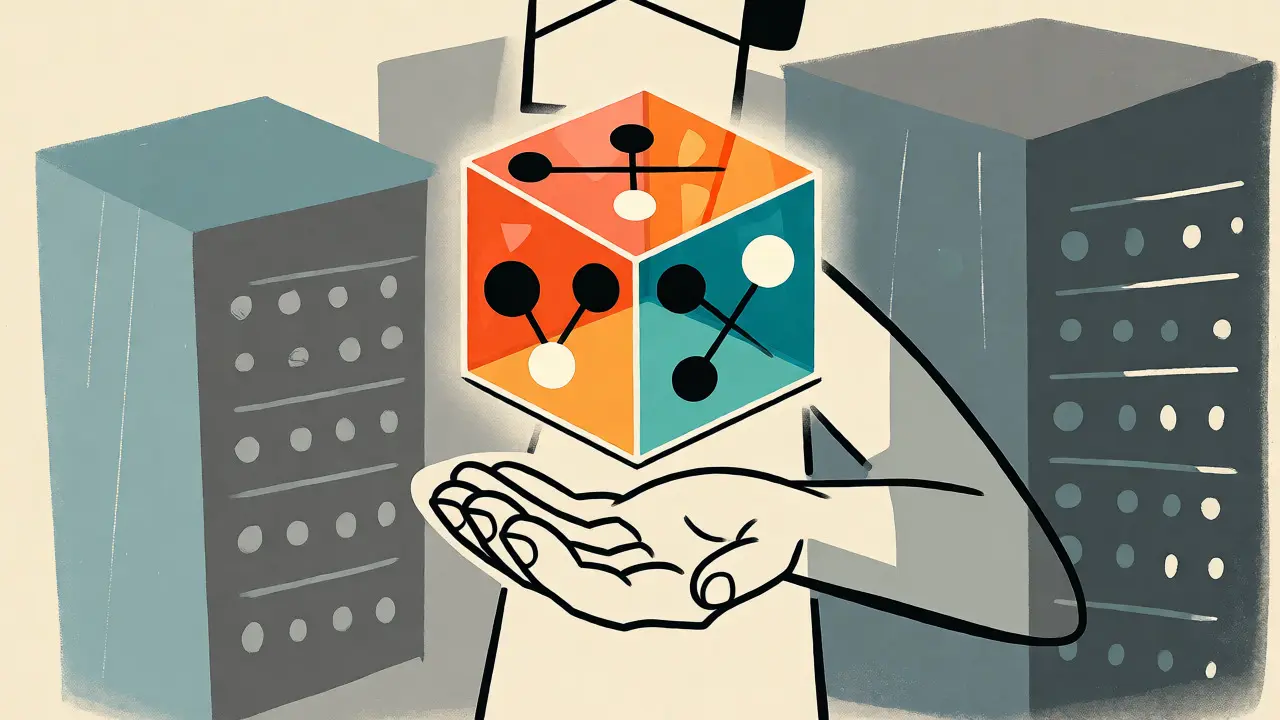
Imagine if your AI assistant actually remembered everything you told it, but that memory belonged to you, not a tech giant’s server farm. That is the core promise of Kinic, a project built on the Internet Computer Protocol. While most people know it by its ticker, KINIC, understanding what this coin actually does requires looking past the price chart and into the code. It isn’t just another meme token; it’s an attempt to solve one of AI’s biggest headaches: data ownership.
The Core Concept: Owning Your AI Memory
Most AI tools today work like black boxes. You feed them data, they process it, and the company keeps the records. Kinic flips this model. It functions as a personal, tamper-resistant memory layer for artificial intelligence. Think of it as a private library where every book (your emails, notes, bookmarks) is indexed so an AI can find exactly what you need instantly.
This system relies on vector databases, which convert text and media into numerical representations called embeddings. Instead of searching for keywords, the AI searches for meaning. Kinic stores these vectors directly on the blockchain, specifically within smart contract canisters on the Internet Computer. This means your data isn’t sitting in a centralized AWS bucket owned by Amazon or Google. It lives in code that you control.
How the Technology Works
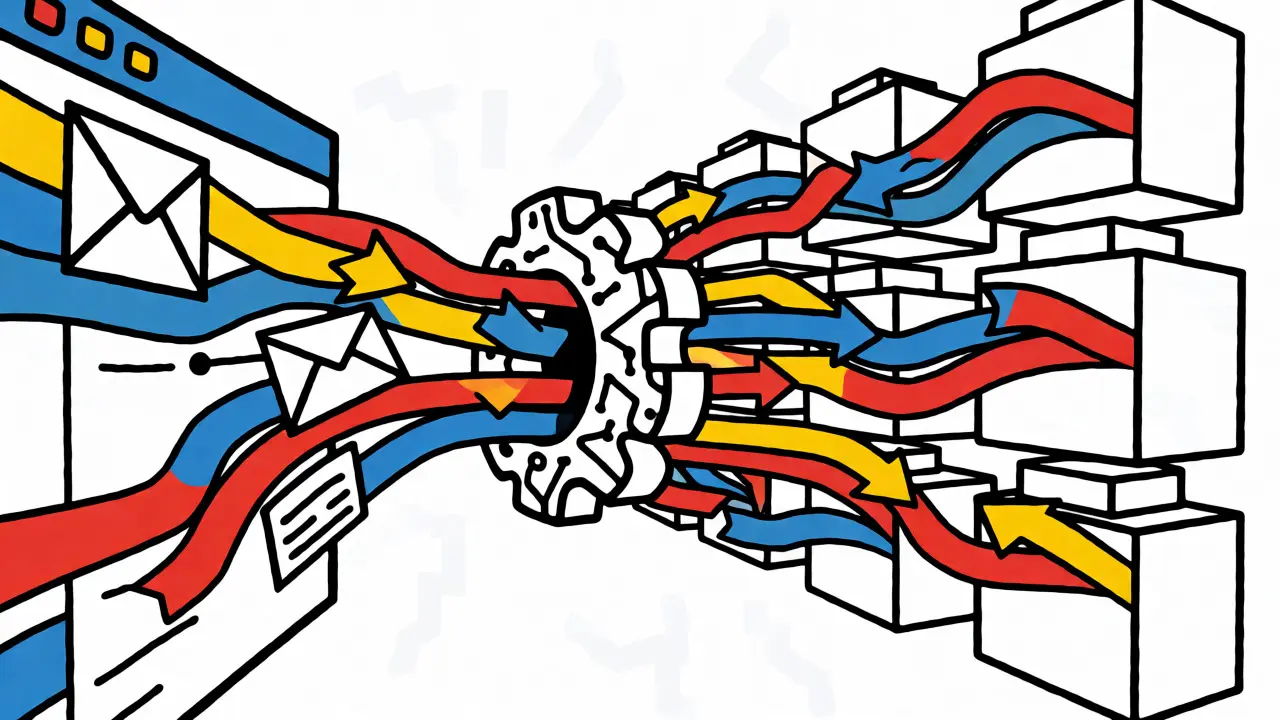
If you’ve ever tried to build a Retrieval-Augmented Generation (RAG) system, you know it’s messy. You need to scrape data, clean it, embed it, store it, and then query it. Kinic tries to automate this entire pipeline. The project started as a Web3 search engine but evolved into a full-stack solution for personal AI agents.
- Data Capture: A browser extension grabs snippets from websites, emails, and documents.
- Embedding: The data is converted into vector formats locally or via API.
- Storage: Vectors are stored in ICP canisters, ensuring persistence and auditability.
- Retrieval: When you ask an AI question, Kinic fetches relevant context from your private database.
The architecture uses technologies like vetKeys and zero-knowledge proofs to ensure privacy. In theory, this allows an AI to process your sensitive financial history without ever exposing the raw data to a third-party server. The proof happens on-chain, verifying that the answer came from your specific data set.
Tokenomics: What Does KINIC Do?
It is crucial to distinguish between the software and the token. KINIC is a utility and governance token. It does not run the consensus mechanism itself-that job belongs to ICP. Instead, KINIC serves two main purposes:
- Utility: Users pay KINIC to deploy and manage their personal vector databases on the blockchain.
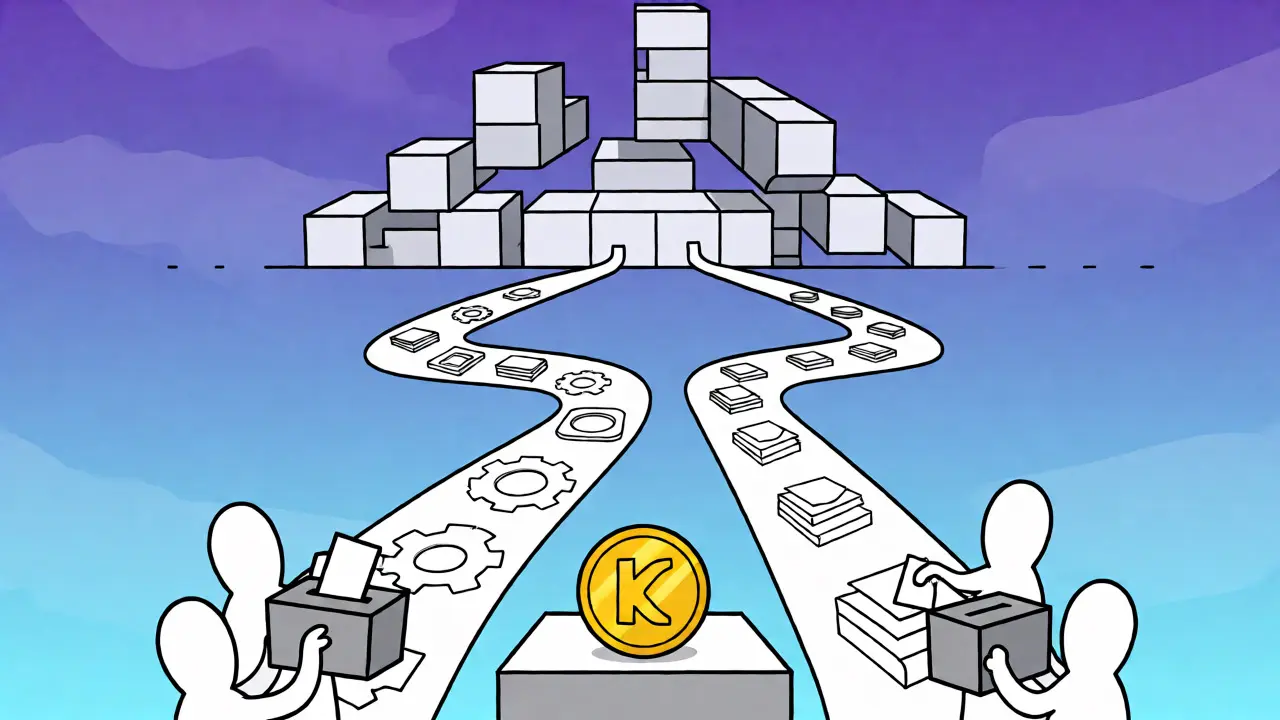
- Governance: Token holders vote on proposals through the Kinic DAO, influencing how the protocol evolves.
| Metric | Value | Note |
|---|---|---|
| Current Price | $0.0667 | Highly volatile micro-cap asset |
| Circulating Supply | ~2.87 Million | Out of ~6.07M total supply |
| Max Supply | 10 Million | Fixed cap design |
| All-Time High | $3.02 | Reached in Aug 2024 |
| Market Cap | ~$191k | Extremely low liquidity |
Be careful with the numbers here. Early proposals suggested a different supply structure than what exists today. Always check live data before trading, as the market capitalization is tiny-hovering around $190,000 at the time of writing. This makes the token susceptible to massive price swings from even small buy or sell orders.
Risks and Reality Checks
Is Kinic a guaranteed winner? Probably not yet. Here is why you should be skeptical. First, the liquidity is dangerously low. With daily trading volumes often under $20, exiting a position could move the price significantly against you. Second, the project claims over 1,000 customers, but these figures come from their own marketing materials. There are no independent audits of user retention or active usage rates available publicly.
Furthermore, the technical claims about "fully on-chain" performance lack public benchmarks. How fast is the retrieval compared to Pinecone or Weaviate? What is the cost per query in real dollars? Without independent stress tests, these remain theoretical advantages. The team has pivoted several times-from a search engine to an AI memory layer-which shows agility but also raises questions about long-term product-market fit.
Who Should Care About Kinic?
You don’t need to care about KINIC if you’re happy letting ChatGPT remember your chats for free. But if you are a developer building autonomous agents, or a privacy advocate who wants to own their digital footprint, this ecosystem offers something unique. It sits at the intersection of three hot trends: Decentralized Physical Infrastructure Networks (DePIN), AI Agents, and Blockchain storage.
For now, treat KINIC as a high-risk venture bet. It is a small-cap experiment testing whether users truly value data sovereignty enough to pay for it. If the AI agent economy explodes, having a portable, verifiable memory layer could become essential infrastructure. If not, it risks becoming another obscure protocol in the graveyard of failed Web3 ideas.
Is Kinic its own blockchain?
No, Kinic is not a standalone blockchain. It is an application and token ecosystem built on top of the Internet Computer Protocol (ICP). It uses ICP's infrastructure for consensus and storage, while KINIC serves as the native utility token for the Kinic service.
What is the main use case of KINIC tokens?
KINIC tokens are primarily used to pay for deploying and managing personal vector databases on the network. They also grant voting rights in the Kinic DAO, allowing holders to influence protocol upgrades and treasury decisions.
Why is KINIC's market cap so low?
The low market cap reflects its status as a niche, early-stage project with limited adoption and very low trading volume. As of late 2026, it remains a micro-cap asset with minimal liquidity, making it highly speculative compared to major cryptocurrencies.
Does Kinic offer better privacy than standard AI tools?
Kinic aims to provide better privacy by storing encrypted data in decentralized canisters rather than centralized servers. It utilizes zero-knowledge proofs and vetKeys to verify computations without exposing raw data, though independent security audits of these implementations are recommended.
Can I delete my data from Kinic?
Yes, because users hold the keys to their canisters, they can update or delete their information. However, blockchain immutability can complicate true deletion depending on how the smart contracts are coded, so users should review the specific terms of service for data handling procedures.