
Imagine sending money to a friend just by typing their Instagram handle, without copying a long string of alphanumeric characters. That is the core promise of CoinPouch, a social-first cryptocurrency wallet built on the Solana blockchain that enables users to send, receive, and swap tokens using social media usernames instead of traditional wallet addresses. It aims to solve the biggest friction point in crypto adoption: the complexity of managing private keys and remembering wallet addresses.
However, before you get excited about this seamless experience, there is a massive catch. While the user interface feels like a modern app, the underlying market reality for the POUCH token is quite different. As of late 2025, it sits as a micro-cap asset with extremely low liquidity, meaning trading significant amounts can be nearly impossible without crashing the price. This guide breaks down what CoinPouch actually is, how it works technically, and whether it is worth your time or money right now.
How CoinPouch Replaces Wallet Addresses
The primary innovation here is the elimination of the "wallet address." In traditional crypto, if you want to send SOL to someone, they must give you a string like 7xKXtg2CW87d97TXJSDpbD5jBkheTqA83TZRuJosgAsU. If you make one typo, your funds are gone forever. CoinPouch uses a proprietary mapping protocol to link your social identities-such as Telegram, Gmail, X (Twitter), Discord, YouTube, and Kick-to your Solana wallet behind the scenes.
This system relies on zero-knowledge encryption. Essentially, the platform knows which social account maps to which wallet, but doesn't need to store your private keys on its servers. When you initiate a transaction, you simply type a username. The system verifies the identity and routes the payment. According to usability tests conducted by LBank in November 2025, the average setup time for a new user is just 12.7 seconds. You log in with a Google or Telegram account, and you are ready to go. No seed phrases to write down, no complex browser extensions to install.
- Social Integration: Works natively within Telegram, Discord, and X interfaces.
- Browser-Based: No app download required; runs on Chrome, Firefox, Safari, and Edge.
- Privacy Layer: Uses client-side zero-knowledge encryption to keep transaction details private from the server.
The Technical Backbone: Solana Infrastructure
CoinPouch does not run on its own independent chain. It is fully integrated into the Solana ecosystem. This choice is critical because Solana offers high throughput and low costs, which are essential for a "social" payment platform where speed matters. Solana processes approximately 65,000 transactions per second with an average confirmation time of 400 milliseconds. For a micro-transaction use case, this is ideal.
The median transaction fee on Solana is roughly $0.00025. When you factor in the gas fees, sending a small amount of crypto via CoinPouch costs less than a fraction of a cent. This makes it viable for tipping content creators on YouTube or sending small gifts to friends on Discord, scenarios where even a $1 fee would make the transaction unappealing. The technical architecture allows for instant finality, meaning once you hit send, the money is there almost immediately, unlike Ethereum-based networks that might take minutes during peak congestion.
POUCH Tokenomics and Market Reality
Now, let's talk about the coin itself. The total supply of POUCH is fixed at 999.99 million tokens, with 100% of that circulating since launch. On paper, this looks simple. But the market data tells a story of extreme fragility. As of December 2025, the market capitalization was reported at just $26,610 USD. To put that in perspective, that is less than the cost of a mid-range laptop. The 24-hour trading volume was only $136.06.
Why does this matter? Liquidity. If you hold 50,000 POUCH tokens and want to sell them, you will face significant slippage. A single sell order of $200 could potentially exhaust the available buy orders in the pool, causing the price to drop drastically just from your own action. Analysts from Delphi Digital rated the project's long-term viability as "critically low," noting a 92% probability of becoming inactive within six months due to this lack of depth. The token has seen a 93.9% decline from its all-time high of $0.0004361 recorded in August 2025.
| Feature | CoinPouch (POUCH) | Phantom Wallet |
|---|---|---|
| Transaction Method | Social Username | Wallet Address / QR Code |
| Setup Time | < 15 seconds | 2-5 minutes (Seed phrase creation) |
| Security Audit Status | No public third-party audit | Multiple audits & large user base |
| Liquidity Profile | Extremely Low ($136 daily vol) | High (Major DEX pairs) |
| Best Use Case | Micro-tips, Social Gifting | NFTs, DeFi, Long-term Holding |
Security Concerns and User Risks
While the convenience is undeniable, the security model raises eyebrows among experts. Dr. Elena Rodriguez, a Blockchain Security Lead at Chainalysis, noted that the complete absence of third-party security audits presents substantial red flags. Unlike established wallets that undergo rigorous code reviews, CoinPouch relies on its proprietary mapping protocol without public verification. There is also a theoretical risk of impersonation attacks if the social identity verification isn't perfectly robust, a concern raised by developer Alexei Petrov in late 2025.
Furthermore, the regulatory landscape is shifting. The SEC issued guidance in November 2025 suggesting that "username-mapped crypto wallets" may require enhanced KYC procedures. If these rules tighten, CoinPouch's frictionless onboarding model could face compliance hurdles. For now, the main risk for users is not hacking, but rather getting stuck holding illiquid tokens or dealing with transaction failures due to the thin order books.
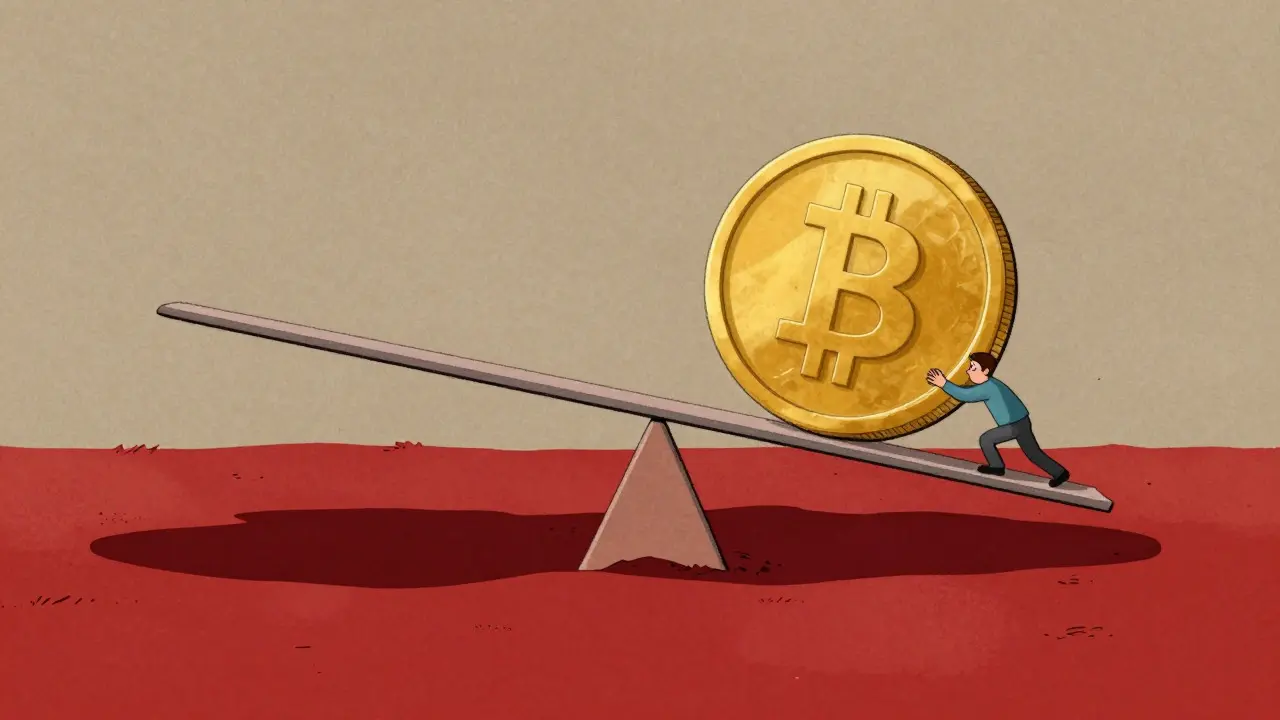
Who Is CoinPouch Actually For?
Despite the financial risks, the product solves a real UX problem. It is best suited for:
- Social Communities: Groups on Telegram or Discord who want to tip members or split bills easily.
- Crypto Beginners: People intimidated by seed phrases and address management.
- Content Creators: Those looking for a way to receive micro-donations directly through their social profiles.
Frequently Asked Questions
Is CoinPouch safe to use for large amounts?
Generally, no. Due to the extremely low liquidity of the POUCH token and the lack of published third-party security audits, it is risky to store or trade large values. It is best used for small, experimental transactions or micro-tipping.
Do I need to create a seed phrase for CoinPouch?
No. The wallet uses social login (Google, Telegram, X) to generate and manage keys via zero-knowledge encryption. You do not need to memorize or write down a 12-word recovery phrase, though this means your access is tied to your social account security.
Where can I buy POUCH tokens?
POUCH is primarily traded on decentralized exchanges like Raydium on the Solana network. However, be aware of high slippage due to low trading volume. Centralized exchange availability is limited and may vary by region.
What happens if my Telegram account gets banned?
Since CoinPouch relies on social identity mapping, losing access to your linked social account could complicate accessing your wallet. It is advisable to ensure your social accounts have strong password protection and two-factor authentication enabled.
Does CoinPouch work on mobile devices?
Yes. It is a browser-based application compatible with iOS 14+ and Android 10+. You do not need to download a specific app from the App Store or Play Store; you can access it through any modern mobile web browser.
5 Comments
It is interesting to see how the industry keeps trying to solve the UX problem of addresses. I think linking social handles is a nice touch for casual users, but the liquidity issue mentioned in the article is a real deal breaker for me personally.
OMG okay so wait let me get this straight you can just send money using your Instagram name?? that sounds SO cool actually like finally crypto without the headache right? i mean who wants to copy and paste those long weird strings all the time it is such a pain in the neck honestly
i am super excited about this idea because it makes everything feel so much easier and accessible you know? like if my friends on discord could just tip me without me having to explain what a seed phrase is that would be amazing! it feels like the future is here and we are just waiting for the tech to catch up to the hype
The concept is solid, no doubt about it. Solana's speed makes it perfect for micro-transactions, which is exactly where this wallet shines. However, the lack of third-party audits is a significant red flag that many people overlook when they see the sleek interface.
If you are considering using it, stick to small amounts. The frictionless onboarding is great for beginners, but remember that convenience often comes at the cost of security depth. It’s a trade-off worth understanding before committing any serious capital.
look im not gonna lie the whole 'no seed phrase' thing scares me a little bit but then again who really remembers their 12 words anyway right? its crazy how we act like writing down a list of random words is some kind of secure vault when half the people lose them or write them on sticky notes lol
the fact that it uses zero-knowledge encryption is pretty neat too i guess? i dont fully understand how it works under the hood but if it means i can just type a username and boom money sent well thats better than dealing with gas fees on eth every single time. just hope the token doesnt crash to zero while i am trying to figure out how to use it properly hehe
Let's be honest, this is just another way for people to gamble on a micro-cap coin without doing their due diligence. The article even says the market cap is less than a laptop, yet everyone is praising the 'user experience.'
We need to stop celebrating convenience over actual value. If the SEC starts enforcing KYC rules as suggested, this whole model falls apart. It's a ticking time bomb dressed up in a pretty UI.