
For years, trading Bitcoin in Vietnam felt like walking through a fog. You weren't exactly breaking the law, but you weren't protected by it either. This "gray area" left investors and developers in a tough spot: the country had some of the highest adoption rates in the world, yet the courts had no clear rules on how to handle a stolen wallet or a failed smart contract. That all changed recently. Vietnam has pivoted from cautious silence to becoming one of the first nations to build a comprehensive legal wall around digital assets.
The Quick Take: Where Vietnam Stands Now
- Legal Status: Formally recognized as legal property under Law No. 71/2025/QH15.
- Trading: Permitted, but must happen via licensed providers in Vietnamese dong.
- Ownership: Crypto assets can now be owned, traded, and inherited.
- The Catch: Strict capital requirements for providers and a ban on fiat-backed stablecoins.
The End of the Gray Area: Law No. 71/2025/QH15
The turning point arrived on June 14, 2025, when the National Assembly passed Law No. 71/2025/QH15 on Digital Technology Industry. This isn't just a minor update; it is a fundamental shift. By the time it took full effect on January 1, 2026, it ended nearly eight years of regulatory ambiguity. Virtual assets are now legally recognized as a form of property, meaning they have the same civil protection as a piece of land or a car.
The law does something very important: it categorizes digital assets so there is no confusion in court. It splits them into three buckets: virtual assets for investment, crypto assets that use encryption for authentication, and other digital assets like NFTs or utility tokens. Importantly, it keeps these separate from traditional securities or legal tender, ensuring that the State Bank of Vietnam maintains control over the national currency while allowing the crypto market to breathe.
How Trading Works Under the New Pilot Program
While the law provides the skeleton, Resolution 05/2025/NQ-CP provides the muscle. This resolution launched a five-year pilot program to test how the market behaves under strict supervision. If you are trading in Vietnam today, you need to know that the "Wild West" days of peer-to-peer trading without oversight are over.
The government now requires all transactions-whether you are issuing a token or just trading Bitcoin-to be conducted exclusively in Vietnamese dong. You can't just swap one coin for another in a vacuum; the financial trail must lead back to the local currency. For domestic investors, the rules are even tighter. After a six-month grace period following the first licenses, all locals must use licensed organizations for their trades. If you continue using unlicensed, offshore platforms, you risk administrative sanctions or even criminal liability.
The Gatekeepers: Crypto Asset Service Providers (CASPs)
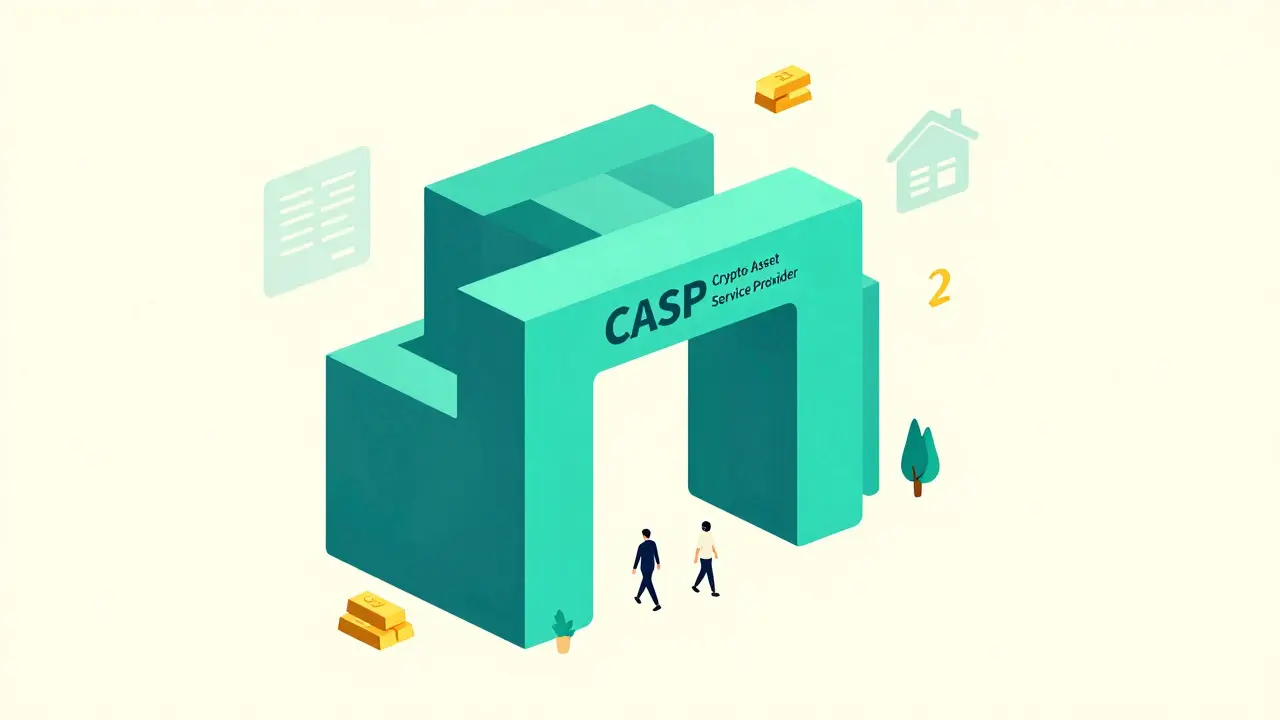
To keep the market safe, Vietnam introduced Crypto Asset Service Providers (or CASPs). Think of these as the "approved" exchanges or custodians of the crypto world. However, getting a license isn't easy. The government has set a massive barrier to entry to ensure only the most stable companies survive.
| Attribute | Requirement Value |
|---|---|
| Minimum Capital | 10 Trillion Vietnamese Dong |
| Legal Structure | LLC or Joint Stock Company |
| Asset Backing | Real assets only (No fiat or securities) |
| Regulating Body | Ministry of Finance |
| Compliance | AML/KYC and Cybersecurity Laws |
This 10 trillion dong capital requirement is a strategic move. It prevents small, fly-by-night operations from taking user funds and instead encourages the growth of institutional-grade players. It also means that if you are a foreign investor, your only legal gateway into the Vietnamese market is through these licensed CASPs.
What is Banned? The Stablecoin Crackdown
One of the most surprising parts of the new framework is the restriction on what can back a crypto asset. The Vietnamese government is terrified of "shadow currencies" that mimic the dong or the dollar. Because of this, they have explicitly prohibited the issuance of assets backed by fiat currencies or securities.
This effectively kills the local issuance of many popular stablecoins. If a token claims its value is pegged 1:1 to a government currency, it doesn't fit the current legal definition of an acceptable crypto asset in Vietnam. Only assets backed by "real assets"-like gold, real estate, or commodities-are permitted. This forces the industry to move toward digital asset regulation that is tied to tangible value rather than just promising a currency peg.
The Shift from 2017 to 2026: A Timeline of Chaos to Clarity
It is helpful to look at how we got here to understand why the current rules are so strict. Back in 2017, Vietnam was just "studying" the situation. For years, the government issued vague directions and schedules but no actual laws. This was the era of the gray area. People traded millions of dollars in Bitcoin, but if you were scammed, the police couldn't help you because the asset didn't "exist" in the eyes of the law.
The momentum shifted in February 2024 with Decision No. 194/QD-TTg, which gave the Ministry of Finance a deadline to either ban crypto or regulate it. By March 2025, the government chose the path of regulation. They realized that banning crypto was impossible given how deep it had penetrated Vietnamese society. Instead, they decided to build a "runway"-a controlled environment where innovation can happen, but the state keeps the keys to the hangar.
Practical Implications for Investors and Businesses
If you are running a blockchain startup or managing a portfolio in Vietnam, your priority list has changed. You are no longer just worrying about market volatility; you are worrying about compliance. First, check your provider. If you aren't using a licensed CASP, you are operating in a legal vacuum that could lead to penalties.
Second, look at your tax obligations. Currently, crypto transactions are taxed similarly to securities. While a specific "crypto tax" hasn't been finalized, the government is using the securities model as a temporary bridge. This means you should be keeping meticulous records of your entry and exit prices to avoid issues with the tax authorities.
Lastly, be aware of the AML (Anti-Money Laundering) requirements. The pilot program places a heavy emphasis on preventing terrorism financing and money laundering. This means more KYC (Know Your Customer) hurdles and more transparency regarding the source of your funds.
Is Bitcoin legal in Vietnam in 2026?
Yes. Under Law No. 71/2025/QH15, crypto assets are recognized as legal property. However, while owning and trading them is legal, you must use licensed Crypto Asset Service Providers (CASPs) for transactions to remain compliant with the law.
Can I use crypto to pay for coffee or services in Vietnam?
No. The current regulatory framework requires all crypto transactions to be conducted in Vietnamese dong. Using cryptocurrency as a direct medium of payment for goods and services is generally not permitted under the current pilot program.
What happens if I use an unlicensed exchange?
Domestic investors who bypass licensed organizations after the six-month transition period may face administrative sanctions or a penal liability examination depending on the severity of the violation.
What are the rules for stablecoins in Vietnam?
The government prohibits the issuance of crypto assets backed by fiat currencies or securities. Only assets backed by real-world physical assets are allowed under the current framework.
Who can issue crypto assets in Vietnam?
Only Vietnamese enterprises registered as limited liability companies or joint stock companies under the Law on Enterprises can legally issue crypto assets.
5 Comments
This is an absolute game changer for the region!
The leap from total ambiguity to a structured legal framework is exactly what the industry needs to foster real institutional growth. While the 10 trillion dong capital requirement seems steep, it's a brilliant move to weed out the scammers and ensure that only the most robust players are managing people's life savings. This is how you build a sustainable ecosystem that doesn't crash and burn every two years!
classic move by the state to control the flow... imagine thinking a licensed casp actually protects you when the gov has the keys to the hangar... its just a fancy way to track every single satoshi you own while they pretend to help
Typical 🙄 everything is just a way to tax us more and the a-ha moment for these people is just more government control in a digital wrapper... honestly who even cares about "legal property" when the whole system is rigged anyway 😒
The ban on fiat stablecoins is a huge red flag. They don't want you using dollars because they want to force everyone into a system they can shut off with one button. This isn't about safety it's about total surveillance and making sure no one can move money without their permission. It's all a trap to get you to list your assets in one place so they can freeze them whenever they feel like it.
It's really interesting how they've decided to tie value to real-world assets like gold or real estate instead of currency pegs. It seems like a more stable way to approach digital ownership for the long term.