Zcash Exchange Ban: What Happened and Where You Can Still Trade ZEC
When you hear Zcash, a privacy-focused cryptocurrency that lets users send shielded transactions with hidden sender, receiver, and amount. Also known as ZEC, it was built to solve the transparency problem of Bitcoin—but that same privacy made it a target for regulators. In 2021 and 2022, major exchanges like Coinbase, Kraken, and Binance delisted or restricted Zcash trading after pressure from financial watchdogs. The issue wasn’t that Zcash was illegal—it was that its shielded transactions made it nearly impossible to track money flows, raising red flags for AML and KYC compliance. Exchanges didn’t want to risk fines or losing their banking licenses, so they pulled support.
That doesn’t mean Zcash disappeared. It just moved. Smaller, decentralized exchanges and non-KYC platforms still list ZEC because they don’t have the same regulatory burdens. Tools like Decentralized Exchanges, platforms where users trade crypto directly from their wallets without handing over control. Also known as DEXs, they became the new home for Zcash traders. Projects like SundaeSwap and LFJ V2.2, which you’ll find in the posts below, show how DEXs fill gaps left by centralized platforms. Meanwhile, countries like Pakistan and Cambodia are tightening crypto rules, but Zcash’s core use case—private, peer-to-peer value transfer—remains unchanged. The real question isn’t whether Zcash is safe to use, but whether you’re using it on a platform that respects your privacy without putting your funds at risk.
Below, you’ll find real reviews of exchanges that still support ZEC, breakdowns of how privacy coins face regulatory pressure, and warnings about fake Zcash airdrops designed to steal your keys. These aren’t theoretical opinions—they’re based on actual platform performance, security scores, and user experiences. If you’re still holding ZEC or thinking about buying it, this collection gives you the facts you need to trade smart, not just trade.
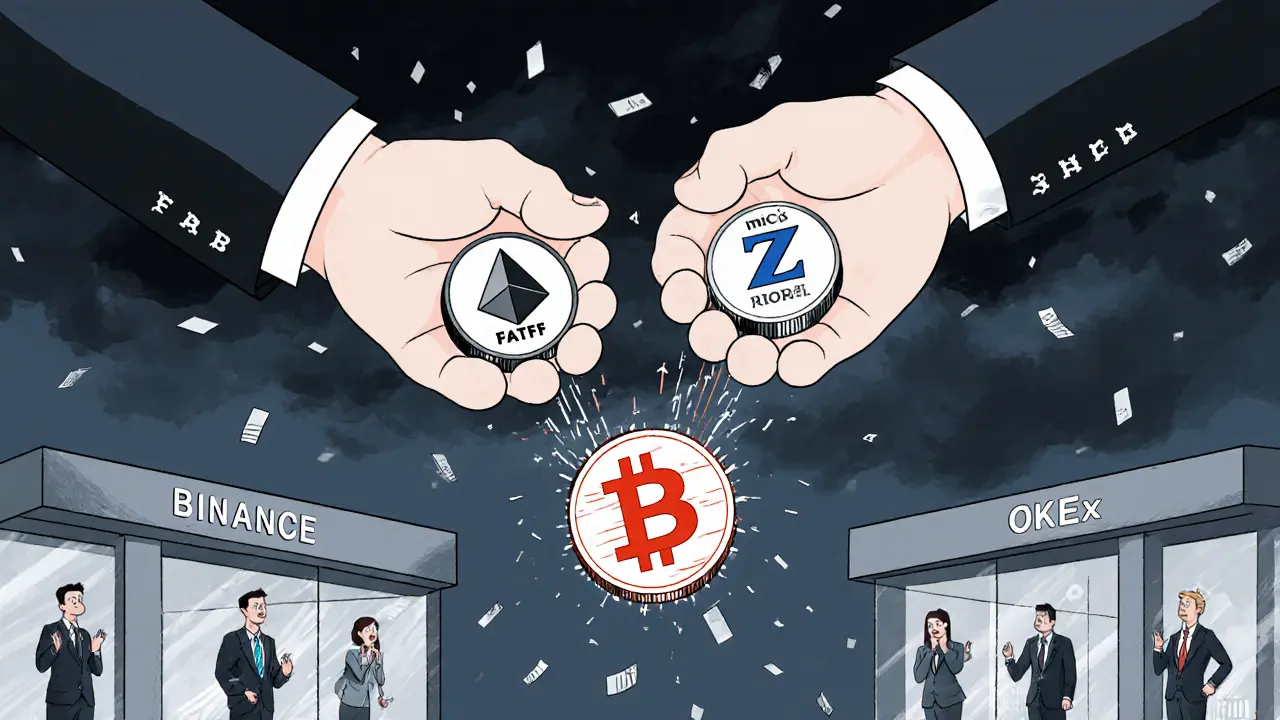
Privacy Coin Delisting Wave from Crypto Exchanges: Why It’s Happening and What It Means for Users
Privacy coins like Monero and Zcash are being removed from major crypto exchanges due to global regulatory crackdowns. Learn why this is happening, how users are adapting, and what it means for the future of financial privacy.