Wrapped Asset Custody: What It Is and Why It Matters in Crypto
When you hold a wrapped asset, a tokenized version of a cryptocurrency that represents the original on a different blockchain. Also known as wrapped tokens, it lets you use Bitcoin on Ethereum, or Ether on Solana—without moving the real coin. But who holds the real asset behind it? That’s where wrapped asset custody, the secure storage and management of the underlying asset backing a wrapped token comes in. If the custodian fails, your wrapped token becomes worthless—even if the blockchain itself is fine.
Think of it like a warehouse receipt. You get a paper slip saying you own a gold bar stored in a vault. But if the vault goes bankrupt or gets hacked, your slip means nothing. Wrapped assets work the same way. The most common ones—like wBTC, wETH, or wSOL—are backed 1:1 by real crypto locked in a smart contract or by a trusted company. But not all custodians are equal. Some are decentralized, using multi-sig wallets and audits. Others are centralized, controlled by a single firm with little transparency. And if that firm gets hacked, gets lazy, or decides to disappear? You lose everything. That’s why crypto custody, the practice of securely storing digital assets to prevent theft or loss isn’t just a technical detail—it’s your financial safety net.
Wrapped asset custody also ties into DeFi security, the measures taken to protect decentralized finance protocols from exploits, fraud, and mismanagement. Most DeFi apps rely on wrapped tokens to move value across chains. But if the custody layer is weak, the whole system becomes a single point of failure. You might be earning 15% APY on a wrapped token in a lending protocol, but if the custodian holding the real Bitcoin gets compromised, your yield turns to dust. That’s why users need to ask: Who’s holding the keys? Are they audited? Are they insured? Are they even real?
There’s no magic fix. Some projects use fully on-chain custody with transparent proofs. Others hide behind vague terms like "trusted third party"—a red flag. The best users check the custodian’s history, look for public key verification, and avoid wrapped tokens with no clear backing. This page collects real-world examples of what went wrong, what worked, and how to spot the difference. You’ll find deep dives into failed custody models, safe alternatives, and the hidden risks behind the tokens you’re using right now. No fluff. Just what you need to keep your crypto safe when it crosses chains.
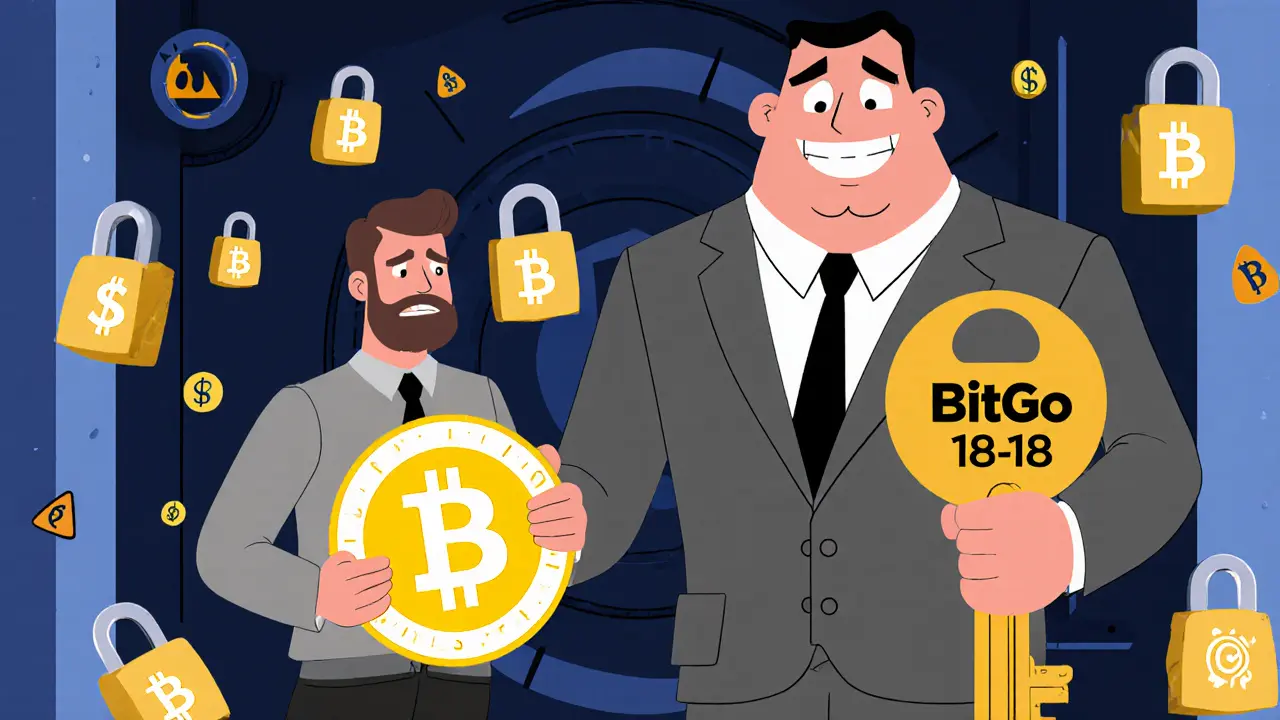
Wrapped Asset Custody and Trust: How Cross-Chain Tokens Are Managed and Why It Matters
Wrapped asset custody lets Bitcoin and other cryptos move across blockchains-but it relies on centralized custodians who hold your real assets. Understand how WBTC, cbBTC, and others work, their risks, and why regulation is changing everything.