Virtual Assets Authority: What It Is and How It Shapes Crypto Regulations
When governments step in to control digital money, they often create a Virtual Assets Authority, a government body tasked with overseeing cryptocurrencies, NFTs, and other digital financial instruments. Also known as crypto regulatory agency, it’s the entity that decides what’s legal, what’s banned, and who gets licensed to operate. This isn’t theoretical—places like the UAE, Hong Kong, and Singapore have set up these bodies to bring order to a chaotic space. They don’t just write rules; they block exchanges, shut down scams, and force projects to prove they’re not just hype.
These authorities don’t work in isolation. They tie directly to crypto exchanges, platforms where users buy and sell digital assets. If an exchange isn’t registered with the Virtual Assets Authority, it gets shut down—like GoodExchange or SOLIDINSTAPAY, which had no oversight and vanished overnight. They also control crypto airdrops, free token distributions that often lure in new users. Many airdrops, like the fake SOS Foundation one, get flagged because they skip KYC or violate local rules. Even privacy coins, like Monero and Zcash that hide transaction details, are being removed from exchanges because regulators say they enable illegal activity.
Behind every crypto ban, like Cambodia’s banking restrictions or the global delisting wave, there’s usually a Virtual Assets Authority pulling the strings. They’re the reason you can’t trade certain tokens on major platforms, why some DeFi lending tools require KYC now, and why projects like Ardor or RecycleX struggle to get listed. These agencies don’t care if a coin has a fun mascot or a big Twitter following—they care about transparency, accountability, and whether the project can prove its real-world use. That’s why SUIA and YOTSUBA got exposed: no real infrastructure, no compliance, no future.
What you’ll find below isn’t just a list of articles—it’s a map of how this invisible force shapes your crypto experience. From banned exchanges to dead airdrops to privacy coin crackdowns, every post here shows how the Virtual Assets Authority isn’t just a footnote in crypto news. It’s the silent hand deciding what survives and what gets erased.
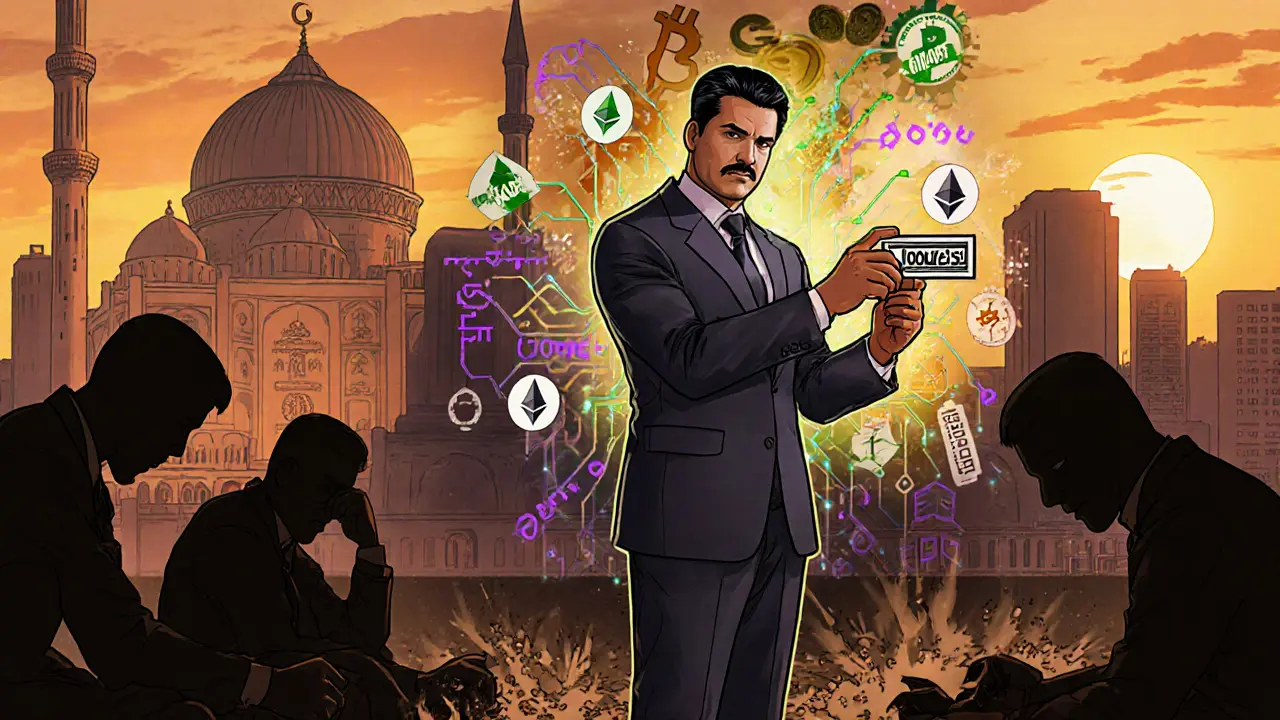
Pakistan Virtual Assets Regulatory Authority (PVARA) for Crypto Oversight: What You Need to Know
Pakistan's new PVARA regulator brings legal clarity to crypto. Learn how licensing works, who can operate, and what this means for users and businesses in 2025.