U.S. crypto laws 2025: What’s changing and how it affects your coins
When it comes to U.S. crypto laws 2025, the evolving set of federal rules that define how digital assets can be traded, taxed, and regulated in America. Also known as crypto regulatory framework, it’s no longer just about Bitcoin—it’s about who can list tokens, who must report trades, and what happens if you ignore the rules. The landscape shifted hard in 2024, and 2025 is when enforcement hits hard. If you’re holding, trading, or earning crypto in the U.S., these laws aren’t background noise—they’re the line between staying compliant and risking fines, account freezes, or worse.
One major player is the SEC, the U.S. Securities and Exchange Commission, which now treats most tokens as securities unless proven otherwise. Also known as crypto securities regulator, it’s been cracking down on exchanges that list unregistered tokens, forcing platforms like Binance.US and Kraken to delist dozens of coins. If a token doesn’t have a clear utility beyond speculation—like a meme coin with no real team or roadmap—it’s likely on the SEC’s radar. This is why you’re seeing fewer airdrops targeting U.S. users. Projects like the Impossible Finance x CoinMarketCap airdrop explicitly blocked Americans because they couldn’t meet SEC compliance standards. Then there’s the IRS, the Internal Revenue Service, which treats crypto as property, not currency. Also known as crypto tax authority, it’s demanding detailed records of every trade, swap, and staking reward. Forget about ignoring small transactions—now, even $10 in ETH-to-USDC swaps need to be reported. And if you’re mining, staking, or earning from DeFi, the IRS knows. They’re cross-referencing exchange data, wallet addresses, and even blockchain analytics tools to catch underreporters. Meanwhile, crypto exchange compliance, the process platforms use to follow federal rules like KYC, AML, and licensing. Also known as regulated crypto platform standards, it’s why you can’t use shady exchanges like SOLIDINSTAPAY or GoodExchange anymore. Legit platforms now require ID verification, geo-blocking, and transaction monitoring. That’s why you’re seeing more U.S.-friendly exchanges like Gemini and Uphold—but also why you’re seeing fewer global airdrops reach American wallets.
These rules don’t just affect big traders. They hit meme coins, DeFi platforms, and even NFT projects. If your favorite token got delisted from a major exchange, it wasn’t random—it was likely because it failed to meet the new legal bar. The same goes for privacy coins like Monero and Zcash, which are being removed from U.S. platforms because they can’t satisfy anti-money laundering checks. Even projects tied to real-world use, like RecycleX or Ardor, now face extra scrutiny. The message is clear: if you can’t prove legitimacy, you’re not allowed in.
What you’ll find below are real examples of how these laws play out in practice—delistings, blocked airdrops, failed launches, and the platforms that made it through the crackdown. No fluff. No theory. Just what’s actually happening to crypto in America right now, and how to stay on the right side of the law.
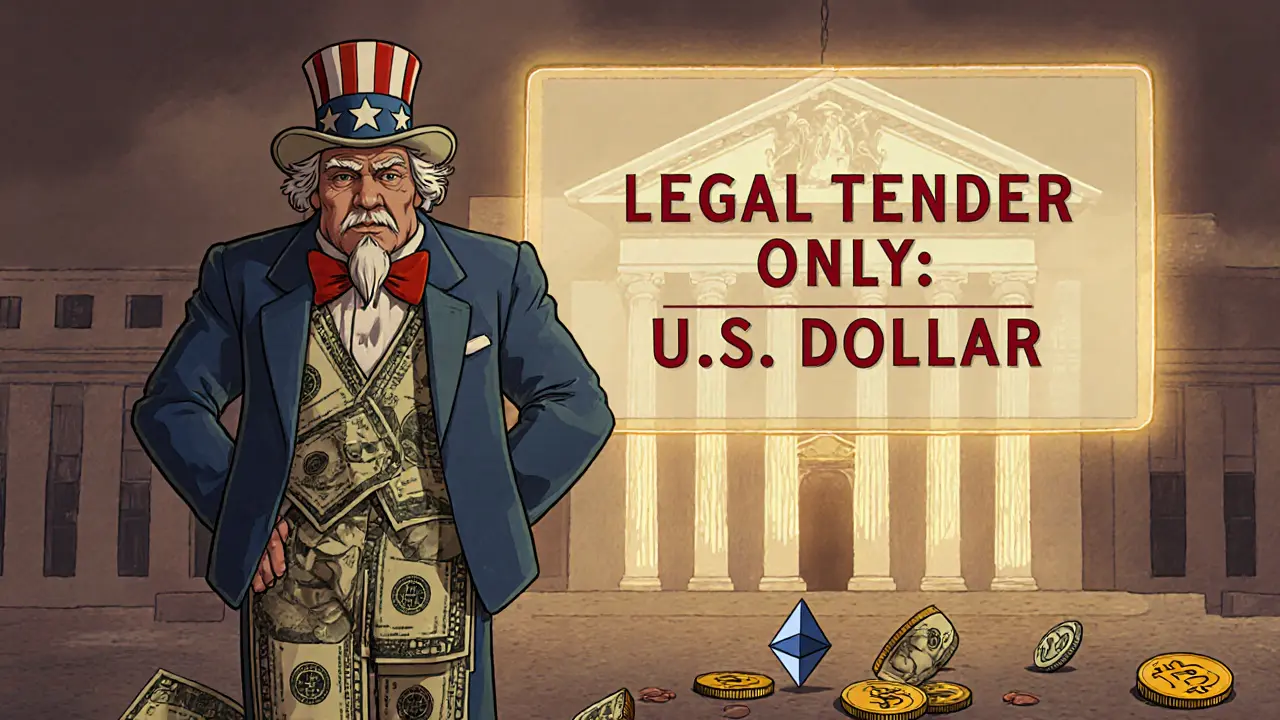
Legal Tender Status for Cryptocurrency: What’s Really Happening in 2025
As of 2025, cryptocurrency is still not legal tender in the U.S., but new laws like the GENIUS Act and CLARITY Act have created a clear regulatory path for stablecoins, Bitcoin, and Ethereum-making crypto safer, more legitimate, and easier to use without replacing the dollar.