Transaction Replay Protection: What It Is and Why It Matters in Crypto
When a blockchain splits—like when Ethereum became Ethereum and Ethereum Classic—a transaction replay protection, a security feature that prevents transactions from being executed on both chains after a fork becomes critical. Without it, a payment you send on one chain could accidentally be copied and spent again on the other. This isn’t just a technical glitch—it’s a real risk that has cost users millions. Think of it like a lock that stops your key from working in two different doors at once. If that lock is missing, your money could vanish in plain sight.
Transaction replay protection is most often needed during hard forks, a permanent split in a blockchain’s protocol that creates two separate networks. These happen when developers or the community can’t agree on rules—like block size, fee structure, or how to handle past transactions. The most famous example was Ethereum in 2016, when the DAO hack led to a hard fork. One group wanted to reverse the theft; the other believed code should be law. The result? Two chains. And without replay protection, every transaction on the new Ethereum chain could’ve been replayed on the old one, letting hackers double-spend. That’s why replay protection isn’t optional—it’s the baseline for any clean fork.
It’s also tied to network upgrades, changes to a blockchain’s rules that require all nodes to update or risk being left behind. When a chain upgrades, especially if it’s changing how signatures are validated or how addresses are interpreted, replay protection ensures old transactions don’t accidentally trigger new ones. Some chains build it in from day one. Others, like Bitcoin Cash’s split from Bitcoin, had to scramble to add it after the fact. And when they didn’t? Users lost funds. Even today, new chains launching after a fork still sometimes skip it—either out of laziness or misunderstanding. That’s why you need to check: if a chain was created from another, does it have replay protection? If not, treat it like a minefield.
What you’ll find in the posts below aren’t just random crypto stories. They’re real cases where blockchain splits, token standards, and exchange rules collided—with real consequences. You’ll see how a missing replay protection feature turned a simple airdrop into a trap, how regulatory pressure forced exchanges to cut off certain chains, and why some projects fail not because they’re scams, but because they skipped basic security. This isn’t theory. It’s what happens when crypto moves fast and no one checks the locks.
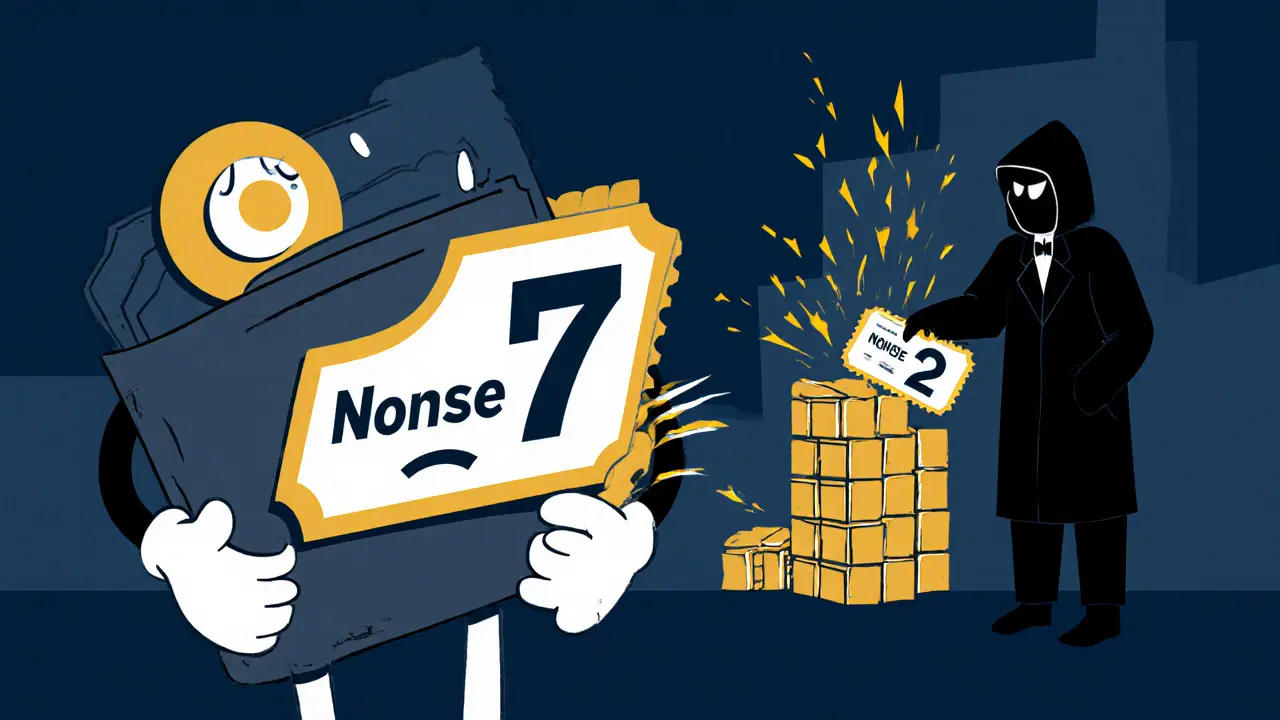
How Nonce Prevents Transaction Replay Attacks in Blockchain
A nonce prevents replay attacks in blockchain by ensuring each transaction is used only once. It's a simple counter that keeps your funds safe from being copied and reused by attackers.