Tokenized Assets: What They Are and How They're Changing Crypto
When you hear tokenized assets, real-world items like real estate, stocks, or gold that are represented as digital tokens on a blockchain. Also known as digital securities, they let you own a piece of something physical without the paperwork or middlemen. It’s not magic—it’s just code. Instead of buying a whole house, you buy a token that represents 0.1% of it. Same with company shares, artwork, or even future crop yields. The blockchain records who owns what, and smart contracts handle the rules automatically.
This isn’t just theory. Projects like wrapped assets, tokens that represent crypto assets from one chain on another, like WBTC or cbBTC let Bitcoin move safely across Ethereum, Solana, or Polygon. That’s how DeFi apps can use Bitcoin as collateral—even though Bitcoin itself doesn’t support smart contracts. Then there’s NFTs, unique digital tokens that prove ownership of one-of-a-kind items, from art to virtual land. They’re the simplest form of tokenization: one token = one thing. But tokenized assets go further—they split ownership into fractions, making it possible for regular people to invest in things that used to need millions to touch.
Why does this matter now? Because regulation is catching up. Places like Pakistan and Cambodia are starting to define what’s legal, and exchanges are being forced to choose between compliance or closure. That’s why you’re seeing more tokenized stock claims—some real, most scams. Tokenized assets aren’t a trend. They’re infrastructure. They’re the backbone of the next financial system. The posts below show you what’s working: real projects like RecycleX turning plastic recycling into tokens, wrapped asset custody risks with WBTC, and how NFT standards like ERC-721 make this all possible. You’ll also see the flip side—fake tokenized stocks, dead projects pretending to be real, and airdrops that vanish overnight. This isn’t about hype. It’s about separating what’s built to last from what’s built to disappear.
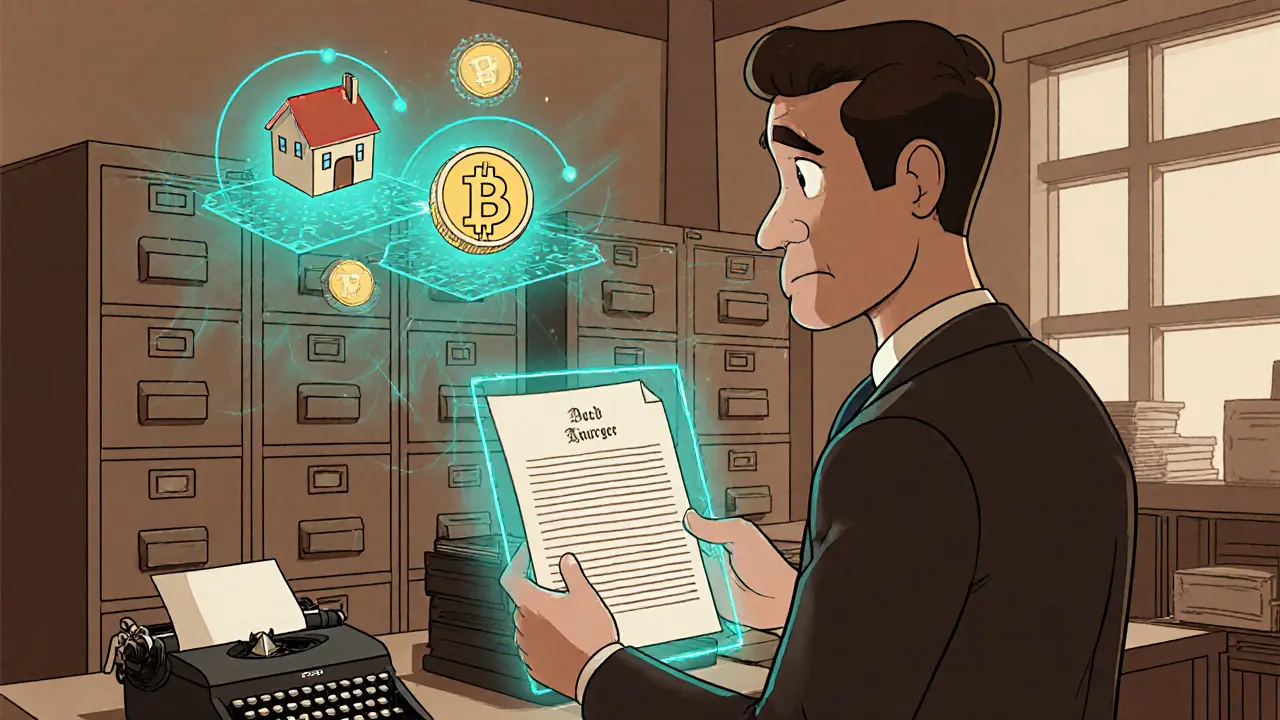
Future of Digital Asset Ownership: How Blockchain Is Rewriting Property Rights
Digital asset ownership is transforming how we hold property, with blockchain enabling instant transfers, fractional investments, and automated compliance. Real estate, private equity, and more are being tokenized - and institutions are moving fast.