Stablecoin Regulation: What It Means for Your Crypto Holdings
When you hold stablecoin, a cryptocurrency designed to maintain a stable value, usually tied to a fiat currency like the US dollar. Also known as pegged tokens, they’re the backbone of crypto trading, lending, and payments. But now, governments are stepping in. Stablecoin regulation isn’t just about rules—it’s about whether your USDT or USDC will still work tomorrow.
Regulators care because stablecoins act like digital cash. If millions of people use them to pay for goods, send money, or trade crypto, they become part of the financial system. That’s why the U.S. Treasury, the federal department overseeing financial policy and currency stability is pushing for strict oversight. They want issuers to hold real cash reserves, report audits, and get licensed. This isn’t theory—it’s already happening. In 2024, the SEC started treating some stablecoins as securities, and the EU’s MiCA law forced major issuers to comply or leave the market.
What does this mean for you? If you’re holding USDT, Tether’s dominant stablecoin, often criticized for opaque reserves, you’re relying on a company that’s under increasing scrutiny. USDC, Circle’s stablecoin, fully backed by cash and short-term U.S. Treasuries, is more transparent—but even it can’t ignore regulation. Some exchanges have already delisted unapproved stablecoins. Others now require KYC just to swap them. And if a regulator decides a stablecoin is too risky, it can freeze trading overnight.
Stablecoin regulation isn’t stopping innovation—it’s forcing it to get cleaner. Projects that hid behind vague whitepapers are fading. Those with real reserves, legal compliance, and clear audits are surviving. You don’t need to be a lawyer to protect yourself. Just ask: Is this stablecoin backed by real money? Is the issuer regulated? Can you withdraw it anytime? If the answer is no, you’re taking a risk no one can explain.
Below, you’ll find real-world examples of how regulation is shaping crypto—from banned exchanges to failed airdrops tied to unstable tokens. Some posts expose scams hiding behind fake stablecoin claims. Others show how users adapted when their go-to coin got pulled from a platform. This isn’t about fear. It’s about clarity. You deserve to know what’s safe, what’s not, and why your next trade might depend on a law passed halfway across the world.
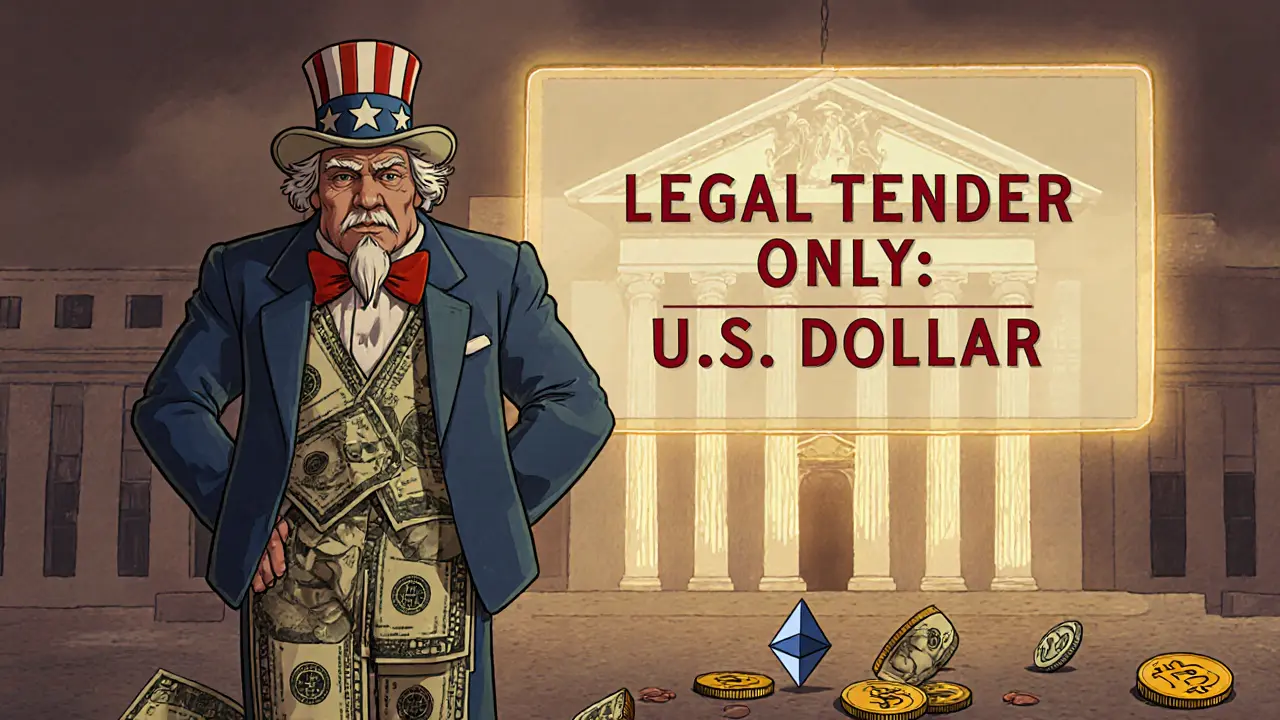
Legal Tender Status for Cryptocurrency: What’s Really Happening in 2025
As of 2025, cryptocurrency is still not legal tender in the U.S., but new laws like the GENIUS Act and CLARITY Act have created a clear regulatory path for stablecoins, Bitcoin, and Ethereum-making crypto safer, more legitimate, and easier to use without replacing the dollar.