SOS Foundation Airdrop: What It Is, Who Got It, and Why It Matters
When you hear SOS Foundation airdrop, a blockchain-based charitable initiative that distributed tokens to support global aid efforts. It was never just another meme coin giveaway—it was a rare case where crypto and real-world relief intersected. Unlike most airdrops that vanish after a week, the SOS Foundation airdrop had a clear mission: fund clean water projects, medical supplies, and emergency food aid in underserved regions. It wasn’t promoted by influencers or hype—it was built by a small team with ties to humanitarian NGOs and verified blockchain transparency tools.
Related to this are SOS token, the native cryptocurrency used to track donations and reward participants, and blockchain charity, projects that use public ledgers to prove fund usage without middlemen. These aren’t just buzzwords—they’re the backbone of how SOS worked. Every token claimed by a user was tied to a real donation, and every transaction was publicly viewable on the Ethereum blockchain. That’s why it stood out: you could see your $5 airdrop turn into a water filter in rural Kenya or a vaccine shipment in Ukraine.
But here’s the catch—many people confused it with fake SOS airdrops. Scammers copied the name, created fake websites, and asked for wallet keys or small fees to "claim" tokens. The real SOS Foundation never asked for money. It never required you to connect your wallet to unknown dApps. It only asked you to follow their official Twitter and complete simple tasks like sharing a post or signing up with an email. That’s it. No gas fees. No KYC. No hidden traps.
The airdrop ended in early 2024 after distributing over 450 million SOS tokens to 18,000 verified participants. Some of those tokens later got listed on small DeFi exchanges, but the real value wasn’t in trading—it was in the impact. The foundation reported over $1.2 million in aid delivered directly through token sales and partner donations. That’s the kind of crypto project that actually moves the needle.
What you’ll find below isn’t just a list of articles—it’s a collection of real stories, warnings, and breakdowns about the SOS Foundation airdrop and similar initiatives. Some posts explain how to verify if an airdrop is legit. Others expose copycats pretending to be SOS. One dives into how blockchain charity projects track money differently than traditional nonprofits. And there’s even a post about why most airdrops fail to deliver on their promises—while SOS actually did.
If you’re looking for the truth behind crypto charity campaigns, you’re in the right place. No fluff. No hype. Just what happened, who was involved, and how to tell the real deals from the scams.
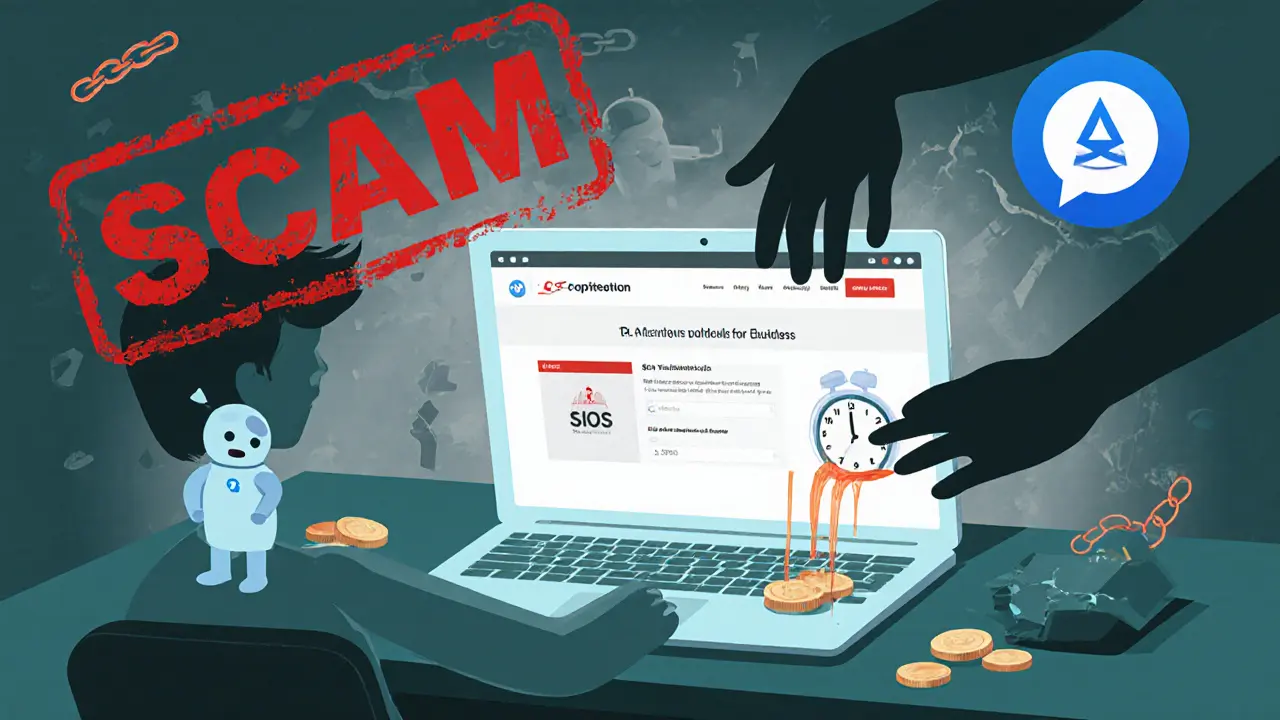
SOS Foundation IDO Launch Celebration Airdrop: How to Participate and What You Need to Know
There is no verified SOS Foundation IDO airdrop as of November 2025. Learn how to spot fake crypto airdrops, protect your wallet, and find legitimate opportunities instead.