Pakistan Crypto Regulation: What's Allowed, Blocked, and Who It Affects
When it comes to Pakistan crypto regulation, the official stance from the State Bank of Pakistan bans financial institutions from handling cryptocurrency transactions. Also known as crypto ban Pakistan, this rule doesn’t make owning crypto illegal—but it makes using banks, exchanges, or payment apps to buy or sell it nearly impossible. If you’re in Pakistan and want to trade crypto, you’re navigating a gray zone where the government says no, but people still do it anyway.
The State Bank of Pakistan, the country’s central financial authority. Also known as SBP, it issued a circular in 2021 that told banks to cut off services to crypto-related businesses. That meant wallets, exchanges, and even peer-to-peer traders lost access to local bank accounts. But the rule never said you couldn’t hold Bitcoin or Ethereum in your own wallet. So while you can’t use HBL or MCB to buy crypto, you can still receive it from overseas or swap it through P2P apps like Paxful or LocalBitcoins—just not with your bank card. This creates a split: the system blocks institutional access, but leaves individual ownership wide open. Many Pakistanis use crypto as a hedge against inflation or to send money abroad, bypassing expensive remittance services. It’s not about speculation—it’s survival.
There’s no official crypto taxes Pakistan, meaning there’s no legal framework to report or pay tax on crypto gains. Also known as crypto income tax Pakistan, this lack of clarity means most users operate without filing anything. But that could change fast. Global regulators like the FATF are pressuring countries to track crypto flows, and Pakistan has signaled it might follow suit. If taxes come, they’ll likely target large traders or exchanges operating locally—not casual holders. Meanwhile, the cryptocurrency legality Pakistan, remains undefined at the legislative level. There’s no law passed by Parliament that says crypto is illegal, just a central bank directive that blocks financial access. That’s why some people call it a "soft ban"—it’s not outlawed, but it’s made extremely hard to use.
What you’ll find in these posts are real stories from Pakistani traders, breakdowns of how people bypass restrictions, and warnings about scams targeting those desperate to get into crypto. You’ll see how P2P trading works in Lahore, what happens when your bank freezes your account, and why some local exchanges still operate in the shadows. There’s no sugarcoating—it’s risky, messy, and constantly shifting. But for many, it’s the only way to protect their money from devaluation or reach global markets. This isn’t about getting rich quick. It’s about having options when the system doesn’t work for you.
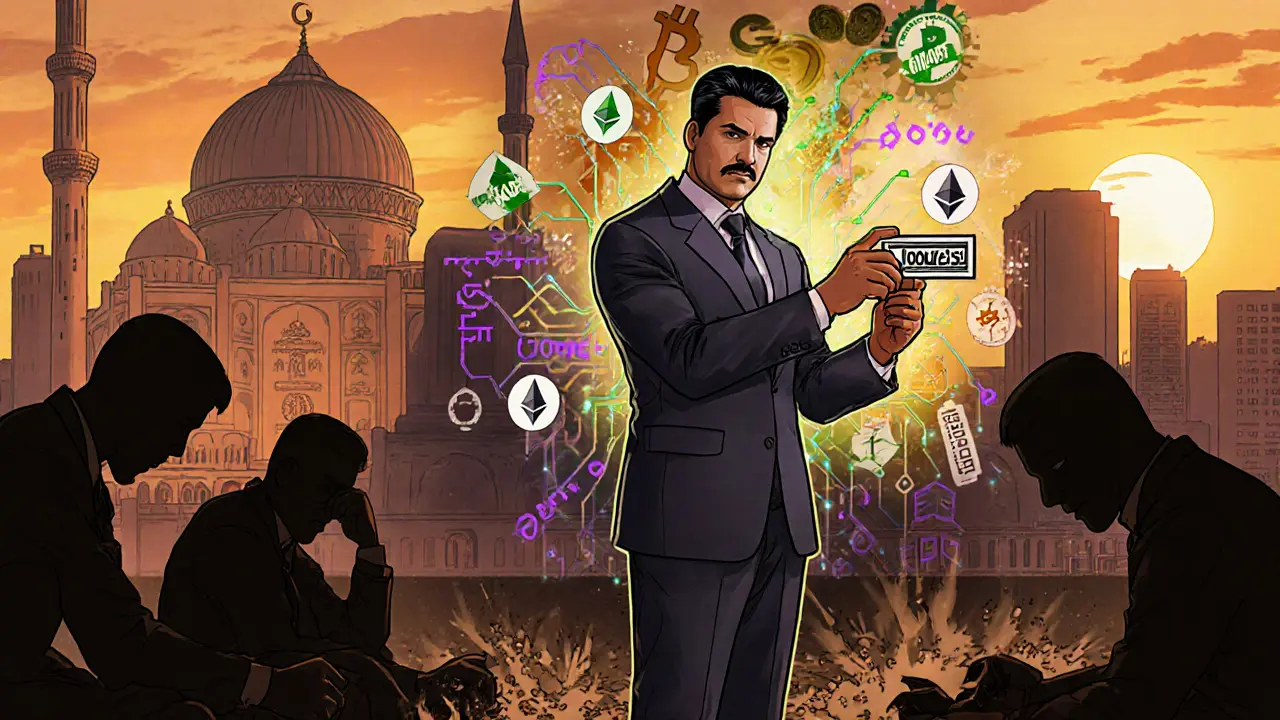
Pakistan Virtual Assets Regulatory Authority (PVARA) for Crypto Oversight: What You Need to Know
Pakistan's new PVARA regulator brings legal clarity to crypto. Learn how licensing works, who can operate, and what this means for users and businesses in 2025.