Kosovo Energy Crisis 2022: What Happened and How It Changed Crypto and Blockchain Use
When the Kosovo energy crisis 2022, a severe winter power shortage that left households and businesses without electricity for days hit, people didn’t just huddle under blankets—they turned to crypto. With state grids failing and fuel shortages blocking generators, some turned to solar-powered mining rigs, decentralized energy platforms, and even blockchain-based energy trading apps just to keep their phones charged and their lights on. This wasn’t science fiction. It was real life in Pristina, Peja, and Gjakova during the coldest months of 2022.
The crisis exposed how fragile centralized energy systems are. When coal deliveries stalled and aging power plants broke down, families lost heat, hospitals ran on backup batteries, and schools shut down. But while the government scrambled, crypto communities acted. Some started using blockchain energy solutions, peer-to-peer platforms that let neighbors trade excess solar power using smart contracts. Others repurposed old mining rigs to run small inverters, turning Bitcoin mining hardware into emergency power units. These weren’t profitable ventures—they were survival tools. And they worked because they didn’t need a central authority to approve them. You didn’t need a permit to set up a solar panel and a Raspberry Pi running a crypto wallet. You just needed a signal and a little know-how.
The energy poverty crypto, the use of digital currencies and decentralized networks to bypass broken infrastructure movement in Kosovo didn’t start in 2022, but it exploded then. People began sharing crypto tips in Facebook groups: how to mine with a 300W solar panel, which wallets worked offline, how to convert crypto to cash at local kiosks when ATMs were out. Even small businesses started accepting crypto for bread, diesel, and medicine. It wasn’t about speculation—it was about keeping the lights on when the grid failed. And it wasn’t just Kosovo. Similar patterns emerged in Lebanon, Venezuela, and Nigeria, but Kosovo’s case was unique because it happened in Europe, in a country trying to join the EU, with access to tech-savvy youth and cheap hardware.
What you’ll find in the posts below isn’t a history lesson. It’s a practical map of how real people used crypto to survive when the system failed. You’ll see how energy shortages forced innovation, how blockchain tools filled gaps no government could, and why crypto isn’t just for investors—it’s becoming a backup power grid for the modern world. These stories aren’t about price charts. They’re about people who turned code into heat, and wallets into lifelines.
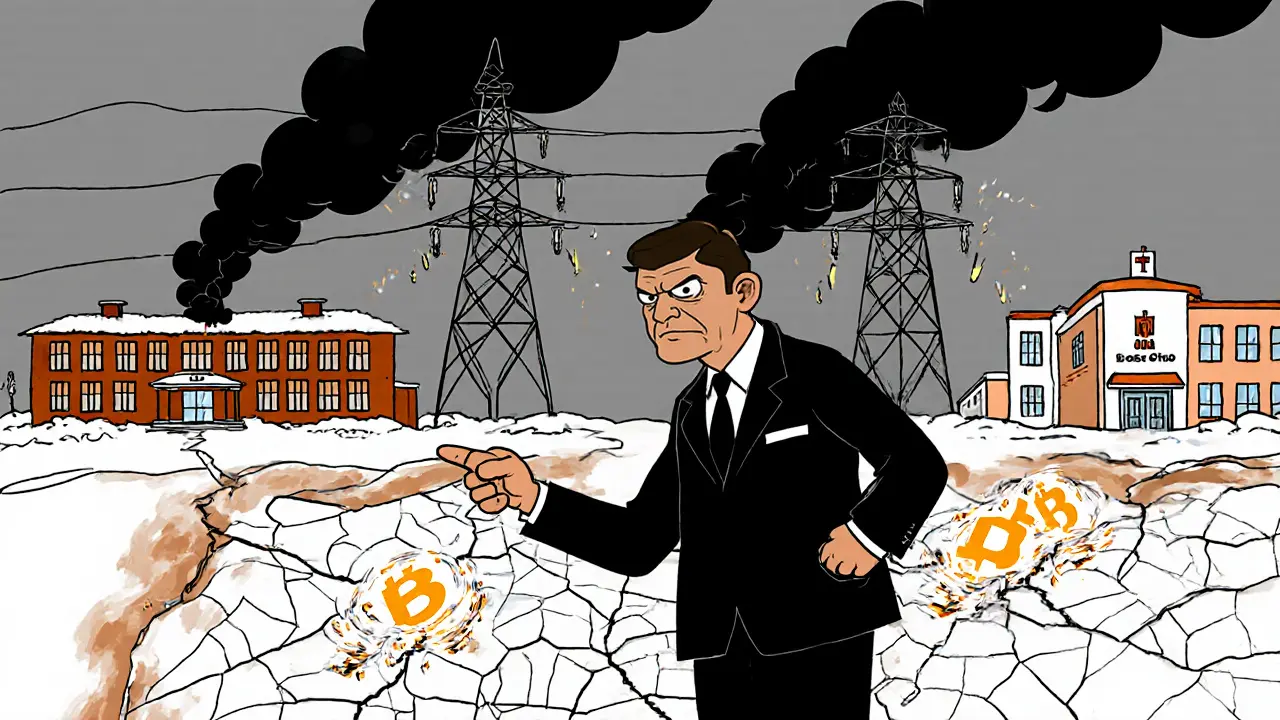
2022 Crypto Mining Ban in Kosovo: What Happened and Why It Still Matters in 2025
In 2022, Kosovo banned all cryptocurrency mining to stop energy theft and protect its fragile power grid. As of 2025, the ban remains in force, with only narrow exceptions for off-grid renewable power - but no one is legally mining yet.