Kosovo Crypto Mining Ban: What It Means for Miners and Blockchain Users
When Kosovo crypto mining ban, a government decision in 2023 to prohibit cryptocurrency mining due to unsustainable energy demand hit the news, it wasn’t just about Bitcoin—it was about who controls power, who pays for it, and what happens when a small country draws a line in the sand against global crypto trends. Kosovo, a nation with limited electricity capacity and aging infrastructure, saw its grid pushed to the brink by large-scale mining operations running 24/7. The government didn’t target individual users—it went after commercial miners using industrial-grade hardware that drained entire neighborhoods of power. This ban isn’t just a local policy; it’s a preview of how more countries will respond when crypto mining clashes with basic public needs.
The crypto mining regulation, government rules that define where, how, and under what conditions cryptocurrency mining can operate in Kosovo follows a pattern seen in China, Kazakhstan, and even parts of the U.S. It’s not anti-crypto—it’s anti-overload. Miners were using up to 15% of the country’s total electricity, often during winter when homes needed heat. The ban forced operators to shut down rigs, sell equipment, or move abroad. Some tried to disguise mining as data centers. Others switched to solar, but even that wasn’t enough to meet demand. The government didn’t just shut it down—they also started auditing power usage and tightening grid access. This shows how blockchain legality, the legal status of blockchain technologies and associated activities under national law isn’t about whether crypto is good or bad—it’s about whether it fits within a country’s real-world limits.
If you’re a miner, this isn’t just a warning—it’s a lesson. The days of running rigs in basements or renting cheap power in unregulated zones are ending. Countries with weak grids, rising energy costs, or political pressure won’t tolerate it. Even if your rig is legal today, tomorrow’s rules could change overnight. The crypto mining hardware, specialized equipment like ASICs and GPUs designed specifically for validating blockchain transactions you own today might become a liability tomorrow. And if you’re just using crypto, this matters too: when miners flee regulated markets, they often move to places with fewer rules, which can destabilize prices and increase risks for everyone. Kosovo’s move wasn’t about stopping innovation—it was about protecting its people. That’s the real story behind the ban.
Below, you’ll find real-world examples of how crypto projects, exchanges, and users reacted to similar crackdowns—from Cambodia’s banking restrictions to privacy coin delistings. These aren’t abstract policies. They’re life-changing decisions for people who rely on crypto every day. What happened in Kosovo is happening elsewhere. The question is: are you ready for what comes next?
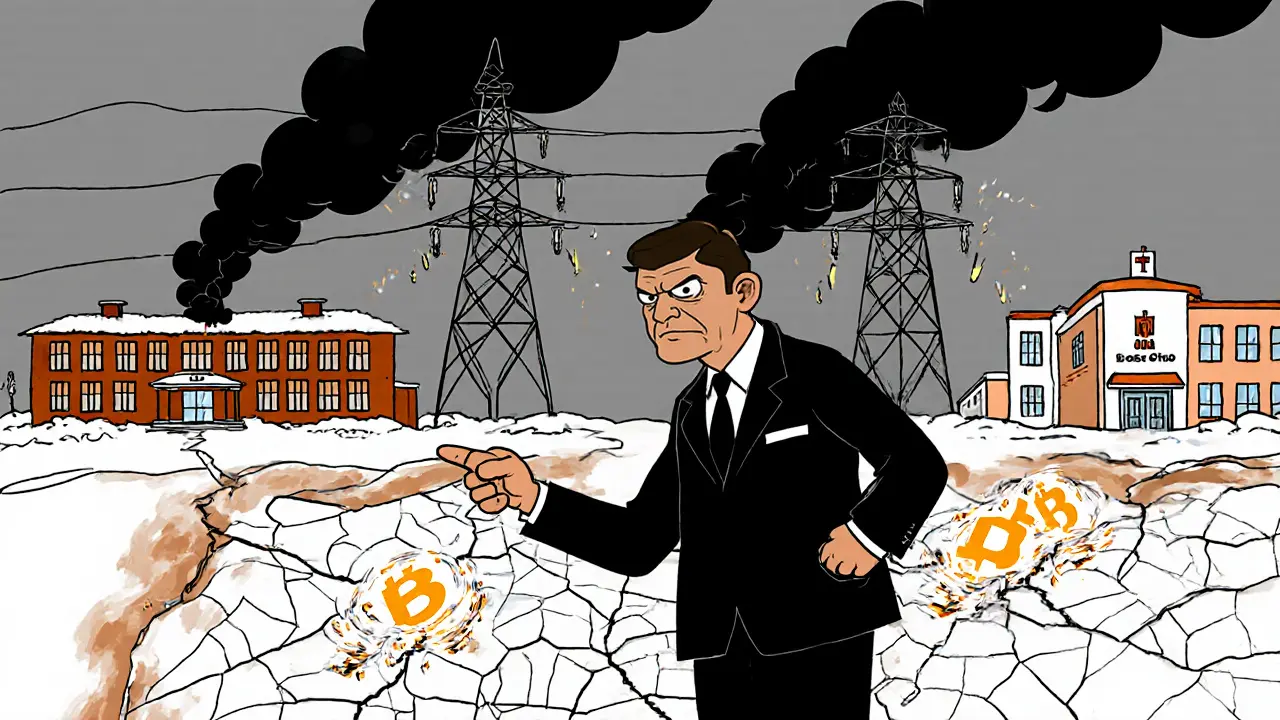
2022 Crypto Mining Ban in Kosovo: What Happened and Why It Still Matters in 2025
In 2022, Kosovo banned all cryptocurrency mining to stop energy theft and protect its fragile power grid. As of 2025, the ban remains in force, with only narrow exceptions for off-grid renewable power - but no one is legally mining yet.