Iran energy crisis: How global crypto trends respond to fuel shortages and sanctions
When a country like Iran, a nation facing severe energy shortages and international sanctions. Also known as the Islamic Republic of Iran, it has become a real-world test case for how blockchain technology survives under economic pressure. The Iran energy crisis isn’t just about electricity bills—it’s about survival. With power cuts lasting up to 12 hours a day in some cities, people are turning to anything that runs on less grid dependency. That includes crypto mining, decentralized finance, and peer-to-peer token swaps—all tools that bypass traditional banking and energy infrastructure.
What’s surprising is how crypto has quietly filled gaps left by failed state systems. In Iran, mining rigs have become household appliances, powered by off-grid solar panels or stolen electricity. This isn’t just underground activity—it’s a functional adaptation. Crypto mining, the process of validating blockchain transactions using computational power. Also known as blockchain mining, it’s become a de facto income source for millions who can’t rely on salaries or banks. The same rigs that once ran on subsidized fuel now run on smuggled diesel or solar-charged batteries. Meanwhile, cryptocurrency sanctions, restrictions placed on digital asset transactions by global powers to limit financial access. Also known as crypto export controls, they’ve forced Iranians to build their own networks—using Telegram bots, local exchanges, and even QR code-based token transfers to trade value without touching SWIFT or Western banks. This isn’t theory. It’s happening now, in basements and apartment buildings across Tehran and Isfahan.
These aren’t isolated stories. They connect directly to the posts you’ll find below—guides on unregulated exchanges, crypto scams targeting desperate users, and how DeFi platforms adapt when governments cut off access. You’ll read about failed airdrops in places like Pakistan and Cambodia, where similar power and regulatory instability created the same conditions: people turning to crypto not for profit, but for basic financial survival. The Iran energy crisis didn’t create crypto adoption—it exposed how deeply crypto can embed itself when everything else fails. What you’ll find here isn’t just analysis. It’s a map of where crypto actually works when the lights go out.
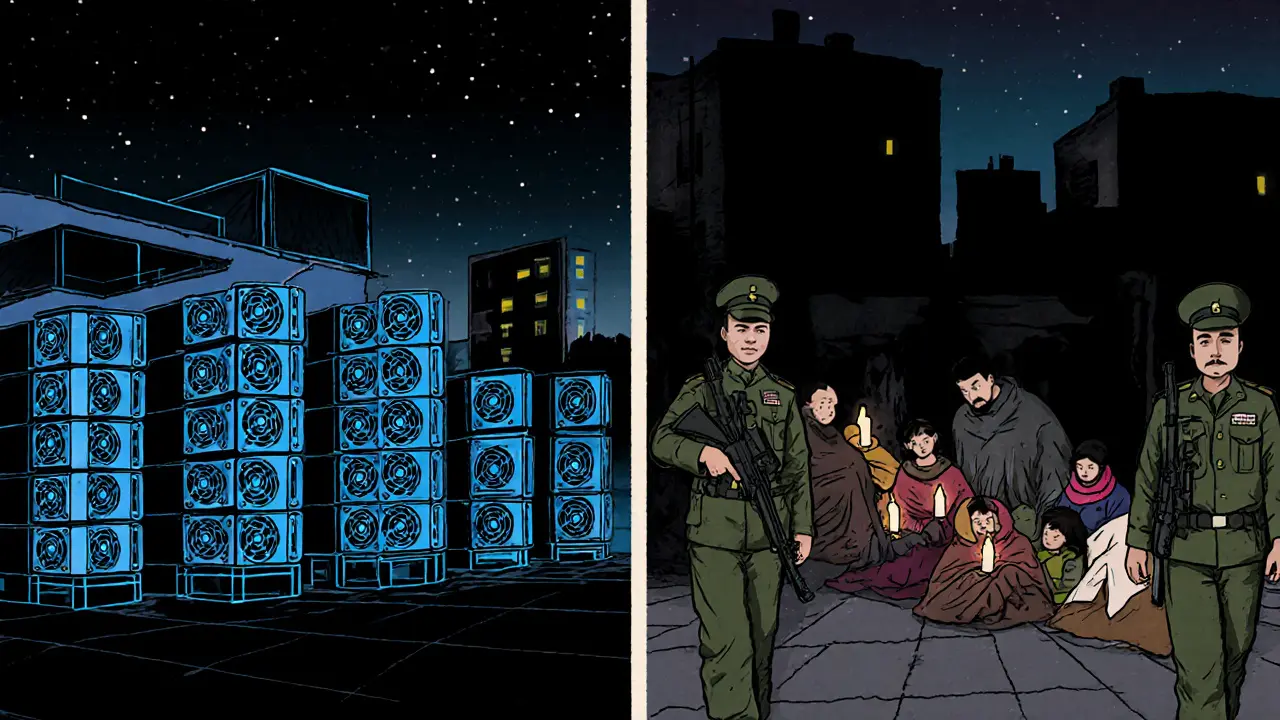
Unlicensed Crypto Mining in Iran: How the IRGC Controls the Crypto Boom
Iran's military elite, the IRGC, runs unlicensed crypto mining operations that steal electricity from citizens while bypassing sanctions. Private miners are crushed, but the regime profits - and the people pay the price.