Iran crypto mining: What’s really happening and what you need to know
When it comes to Iran crypto mining, the practice of using computing power to validate blockchain transactions and earn cryptocurrency rewards, often in countries with cheap electricity. Also known as Bitcoin mining in Iran, it’s one of the few places where mining still thrives despite government pressure. Iran’s grid runs on natural gas and hydroelectric power, making electricity among the cheapest in the world—sometimes under $0.01 per kWh. That’s why, even after bans and crackdowns, tens of thousands of mining rigs still hum in basements, warehouses, and even rural homes across the country.
It’s not just about low costs. The Iranian government has a strange relationship with mining. In 2021, they banned private mining outright, then reversed course in 2022 and started licensing large-scale operations, handing out permits to state-backed companies. Why? Because they realized they couldn’t stop it—and they could profit from it. Mining rigs use massive amounts of electricity, and the government started charging miners higher rates for power used in crypto, turning a black market into a revenue stream. Meanwhile, ordinary Iranians still mine in secret, often using modified household appliances and stolen grid power. It’s risky, but for many, it’s the only way to earn real value outside the collapsing rial.
Hardware is another piece of the puzzle. Most miners in Iran use older ASICs like the Antminer S19 or WhatsMiner M30S—machines that are outdated elsewhere but still profitable there thanks to near-zero power bills. You won’t find many high-end rigs in private setups; they’re too expensive and too noticeable. Instead, you’ll see clusters of second-hand machines stacked in garages, running 24/7 with fans blasting to keep things cool. The local black market for mining gear is active, with parts smuggled in through Turkey and the UAE. But here’s the catch: if you get caught mining without a license, your equipment can be seized, and you could face fines or jail time.
And it’s not just about Bitcoin. Miners in Iran also chase Ethereum Classic, Ravencoin, and other coins that still use proof-of-work. Some even mine altcoins that aren’t listed on major exchanges, selling them peer-to-peer through Telegram groups or local exchanges. The whole system runs on trust, cash, and secrecy. There’s no official oversight, no KYC, and no safety net. If a mining farm gets raided, you lose everything.
What does this mean for you? If you’re thinking about jumping into Iran crypto mining, know this: it’s not a startup opportunity. It’s a high-stakes gamble with legal, technical, and financial risks. But if you understand the rules—cheap power, hidden rigs, cash-only trades, and constant movement—it’s still one of the few places where mining can pay off. Below, you’ll find real stories, technical breakdowns, and warnings from people who’ve been there. Some made money. Others lost everything. The truth is rarely as simple as it sounds.
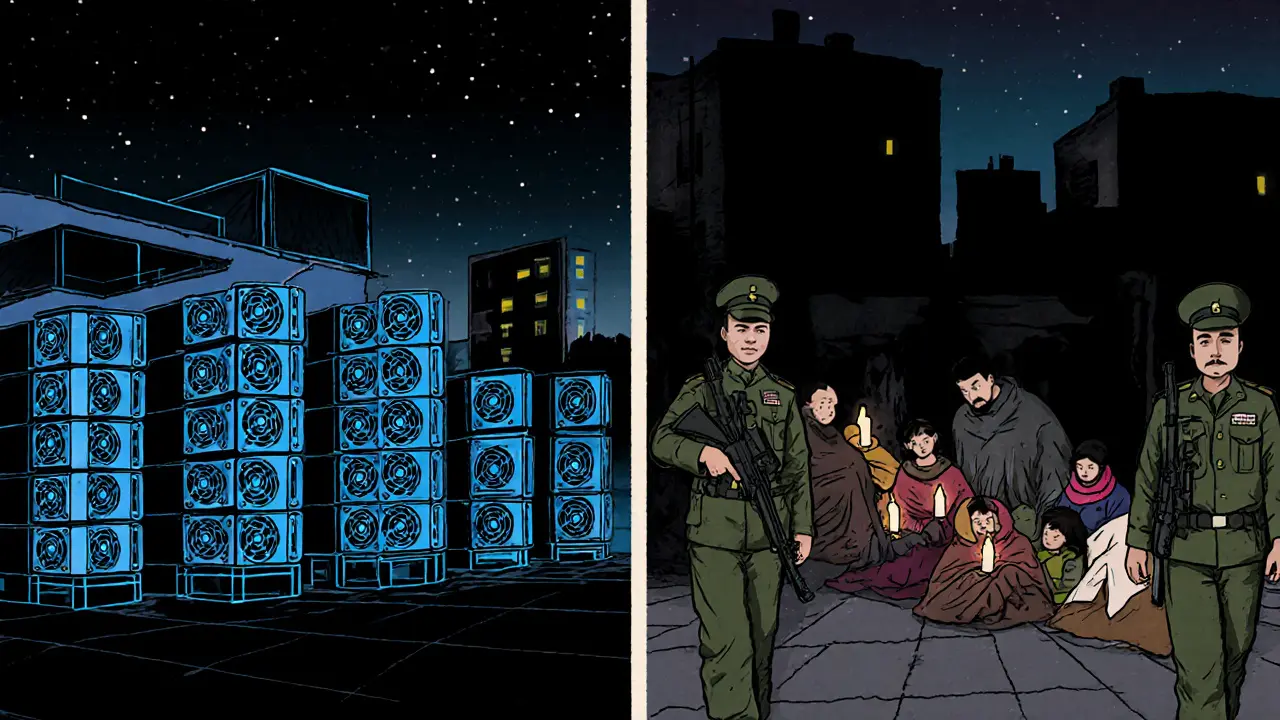
Unlicensed Crypto Mining in Iran: How the IRGC Controls the Crypto Boom
Iran's military elite, the IRGC, runs unlicensed crypto mining operations that steal electricity from citizens while bypassing sanctions. Private miners are crushed, but the regime profits - and the people pay the price.