DPRK Cryptocurrency: What We Know About North Korea's Crypto Moves
When people talk about DPRK cryptocurrency, a term used to describe cryptocurrency activities linked to North Korea’s state-backed operations. Also known as North Korea crypto, it’s not a coin you can buy on Binance—it’s a tool used to bypass global sanctions, fund military programs, and steal billions through cyber heists. Unlike Bitcoin or Ethereum, DPRK cryptocurrency doesn’t exist as a public project. Instead, it’s a label for stolen tokens, laundered funds, and hacked wallets traced back to groups like Lazarus, a cyber unit tied to the North Korean government.
These operations rely on blockchain sanctions, international rules designed to block financial flows to North Korea. Also known as UN crypto sanctions, they target exchanges, wallets, and services that handle DPRK-linked transactions. But crypto’s pseudonymous nature makes enforcement messy. Hackers use mixers, cross-chain swaps, and fake DeFi platforms to hide the trail. One 2022 report showed North Korea stole over $1.7 billion in crypto since 2017—mostly through phishing, smart contract exploits, and exchange breaches. This isn’t theory. It’s documented by Chainalysis, the UN, and the U.S. Treasury. They’ve named specific wallets, tracked transactions to South Korean and Indonesian exchanges, and even frozen assets tied to DPRK-linked addresses.
What you won’t find is a DPRK coin with a whitepaper or a team. There’s no official launch, no community, no roadmap. What you will find are crypto smuggling, the covert movement of digital assets across borders to fund regime activities. Also known as crypto black market, this includes using peer-to-peer platforms, unregulated exchanges like CoinCasso (now defunct), and even fake airdrops to launder stolen funds. North Korea doesn’t need to create a coin—they just need to move what they’ve already stolen. They’ve used meme coins, low-liquidity tokens like MILK or BITORB, and even dead projects like SUIA to disguise their tracks. The goal isn’t innovation—it’s survival.
And here’s the catch: most of what you read online about "DPRK cryptocurrency" is either misinformation or a scam. Fake airdrops, fake tokens, fake wallets—all designed to lure unsuspecting users into giving up private keys. If someone tells you they’re selling "DPRK coin" or "Korean crypto token," they’re lying. The real DPRK crypto is hidden in blockchain ledgers, not on CoinMarketCap.
What you’ll find below are real investigations, exchange reviews, and crypto scam breakdowns that show how these operations work—and how to avoid getting caught in the same traps. From unregulated platforms like SOLIDINSTAPAY to dead projects like YOTSUBA, the pattern is clear: bad actors exploit confusion. Stay sharp. Know the difference between a real threat and a fake coin.
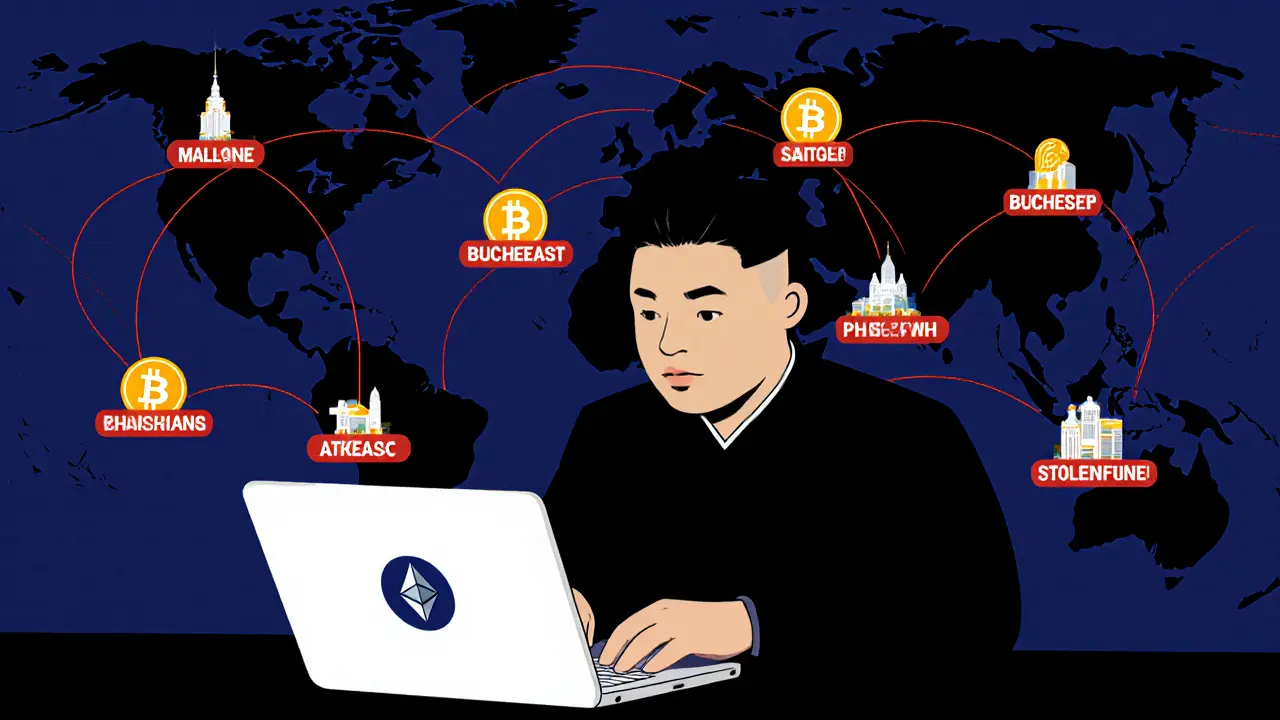
North Korea Crypto Ban and State-Sponsored Hacking Operations in 2025
North Korea stole over $2.17 billion in crypto in 2025, mostly through the ByBit hack. State-sponsored hackers use remote workers and Cambodia-based laundering networks to fund nuclear programs. Here's how it works - and why it's getting harder to stop.