Cryptocurrency Restrictions in Kosovo: What You Need to Know
When it comes to cryptocurrency restrictions in Kosovo, the lack of formal regulation creates a gray zone where crypto use is tolerated but not protected. Also known as crypto legality in Kosovo, this situation means you can hold Bitcoin or Ethereum, but banks won’t touch it—leaving users to rely on peer-to-peer networks and offshore exchanges. Unlike countries that outright ban crypto, Kosovo hasn’t passed any laws saying it’s illegal. But it also hasn’t said it’s legal either. That silence isn’t neutral—it’s a warning.
This ambiguity directly affects Kosovo crypto regulations, a patchwork of informal guidelines and banking policies that treat crypto as a high-risk asset. Local banks like Raiffeisen and Kombank refuse to process deposits or withdrawals tied to crypto exchanges. Even if you buy Bitcoin on Binance or Coinbase, you can’t cash out to your local bank account. That forces users into risky workarounds: peer-to-peer platforms like LocalBitcoins, cash trades, or using foreign wallets with crypto-to-fiat gateways that operate in Serbia or Albania. The crypto ban Kosovo, while unofficial, functions like one because financial institutions are pressured not to engage. This isn’t just inconvenient—it’s dangerous. People lose money to scams because there’s no legal recourse when a P2P deal goes bad.
There’s no official crypto licensing system in Kosovo, no tax guidance, and no consumer protection for crypto holders. The central bank has issued occasional warnings, but never a clear rulebook. Meanwhile, young entrepreneurs and tech-savvy users keep experimenting—running local crypto meetups, accepting crypto for small services, or using it for remittances from abroad. But without legal backing, none of this is sustainable. If a bank freezes your account for crypto activity, you have no rights. If you’re scammed, there’s no agency to report it to. This isn’t freedom—it’s a legal vacuum.
The posts below cut through the noise. You’ll find real stories from people in Kosovo who’ve tried to use crypto legally, what happened when banks blocked them, and how they adapted. You’ll see how neighboring countries’ rules impact Kosovo’s crypto scene, why some local businesses quietly accept crypto, and what risks come with using unregulated exchanges. No fluff. No theory. Just what works, what doesn’t, and what to avoid if you’re in Kosovo trying to use crypto in 2025.
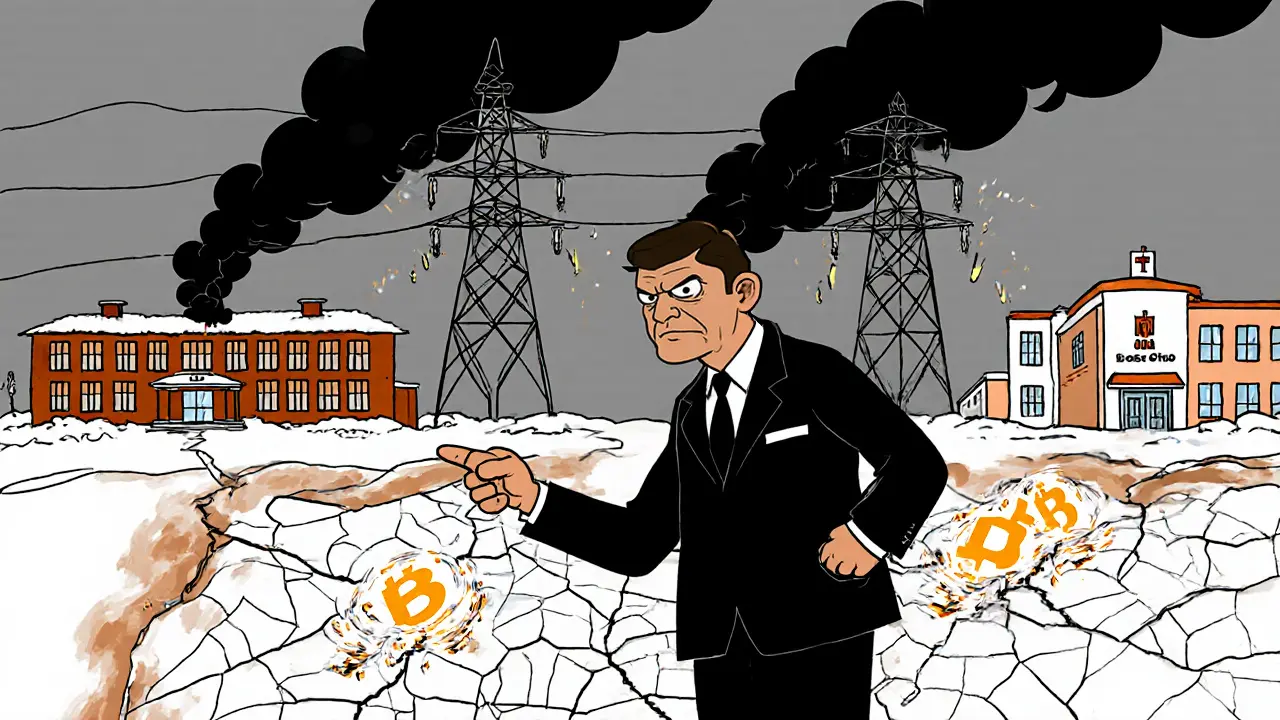
2022 Crypto Mining Ban in Kosovo: What Happened and Why It Still Matters in 2025
In 2022, Kosovo banned all cryptocurrency mining to stop energy theft and protect its fragile power grid. As of 2025, the ban remains in force, with only narrow exceptions for off-grid renewable power - but no one is legally mining yet.