Cryptocurrency Airdrop 2025: What’s Real, What’s Fake, and How to Stay Safe
When you hear cryptocurrency airdrop, a free distribution of crypto tokens to wallet holders, often to boost adoption or reward early users. Also known as crypto giveaway, it’s one of the most tempting ways to get free tokens without buying them. But in 2025, most airdrops you see online are fake. Scammers use fake websites, cloned social accounts, and fake CoinMarketCap listings to trick you into connecting your wallet—or worse, sending them crypto. Real airdrops don’t ask for your private key. They don’t ask you to pay gas fees to claim. And they don’t promise 100x returns before you even get the token.
Legit crypto airdrop, a token distribution event tied to a real project, often with a working product or active community. Also known as token giveaway, it’s usually announced through official channels like a project’s website, verified Twitter, or a trusted launchpad like CoinMarketCap or Impossible Finance. The crypto tokens, digital assets built on blockchains like Ethereum, Solana, or Arbitrum, used for payments, governance, or access to services. Also known as crypto coins, they’re the whole reason airdrops exist you get might be worth nothing at first—but if the project has real utility, they can grow. Look for projects with open-source code, active developers, and real users. If a token has no trading volume, no website, or no team behind it, skip it. The blockchain airdrop, a token distribution that happens directly on a blockchain network, often tied to smart contracts and wallet addresses. Also known as on-chain giveaway, it’s the only kind that’s truly verifiable is the only one you should trust. Anything that asks you to click a link and sign something? That’s not an airdrop—it’s a trap.
You’ll find real airdrops in 2025 tied to DeFi platforms, gaming projects, or new layer-2 networks. Some are rewards for using a DEX like Solarbeam or SundaeSwap. Others come from community events like the Impossible Finance x CoinMarketCap giveaway. But you’ll also see dozens of fake ones—like the SOS Foundation airdrop that doesn’t exist, or the YOTSUBA token that was never real. The key is to check: Is there a live contract? Is the project listed on CoinGecko or CoinMarketCap? Are the social accounts verified? If you can’t answer yes to all three, walk away. Real airdrops don’t need hype. They don’t need you to rush. They just need you to be careful.
Below, you’ll find real breakdowns of the airdrops that actually happened in 2025—and the ones that were pure fiction. No fluff. No promises. Just facts on what worked, what failed, and how to avoid losing your money to the next big scam.
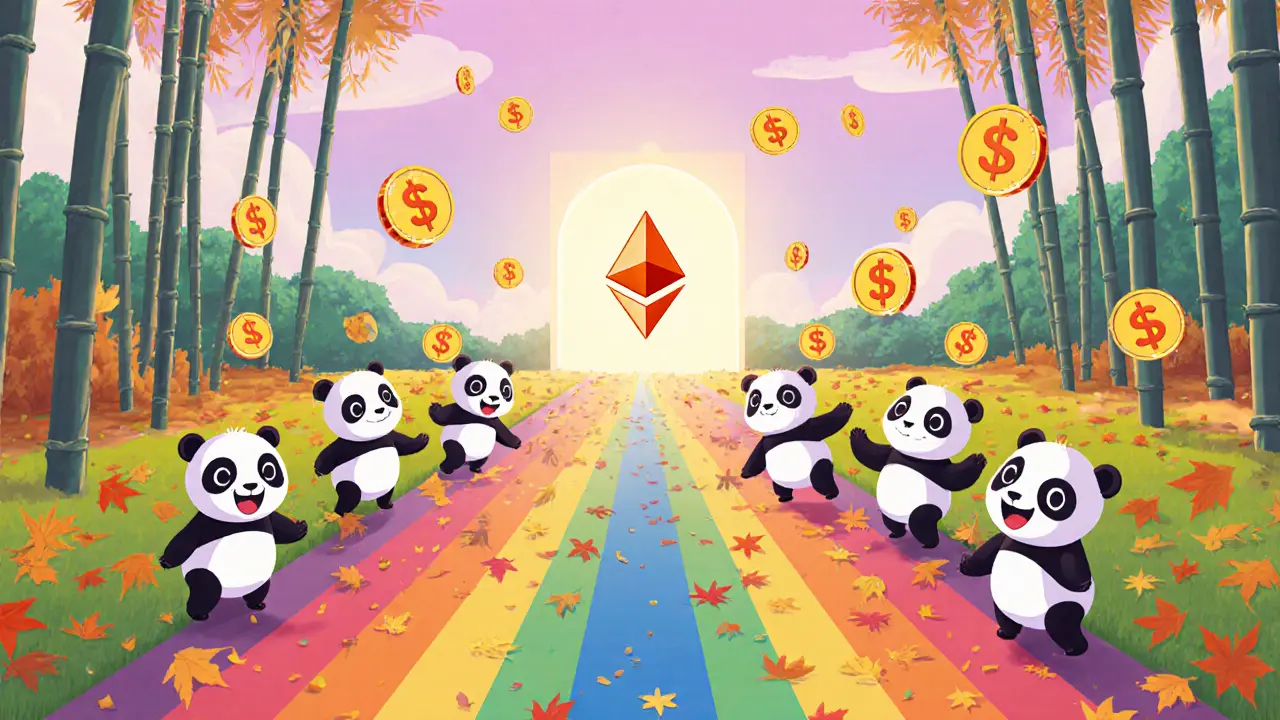
PandoLand ($PANDO) Airdrop Details: How It Worked and What Happened After
The PandoLand ($PANDO) airdrop in March 2025 gave 500 winners $1,000 each in crypto tokens. It was simple, fast, and real. Here’s how it worked, what happened after, and why it still matters.