Crypto Regulatory Crackdown: What It Means for Your Wallet and How to Stay Safe
When governments start cracking down on crypto regulatory crackdown, government actions that restrict or ban cryptocurrency use, trading, or mining through laws, banking bans, or exchange shutdowns, it doesn’t just affect big investors—it hits everyday users too. From Cambodia banning all crypto transactions except through its official Bakong system, to Pakistan launching its first crypto regulator PVARA, these moves aren’t random. They’re part of a global shift where financial control is being redefined. And if you’re holding crypto, you need to know what’s coming next.
A crypto ban, a government prohibition on using or trading cryptocurrencies within its borders isn’t just about stopping speculation. It’s about replacing crypto with state-controlled digital systems. Cambodia’s move isn’t about killing crypto—it’s about pushing users toward Bakong, their own digital currency platform. Meanwhile, crypto exchange rules, regulatory frameworks that dictate how platforms must operate, including KYC, licensing, and fund custody requirements are forcing unregulated platforms like SOLIDINSTAPAY and GoodExchange out of business. These aren’t just warnings—they’re enforcement actions. If a platform has no licensing, no user reviews, and no transparency, it’s not just risky—it’s likely illegal.
And it’s not just exchanges. crypto regulations, laws and policies that govern how cryptocurrencies are issued, traded, taxed, and reported by individuals and businesses are now targeting airdrops, DeFi platforms, and even meme coins. The SOS Foundation airdrop? No such thing. The Dogelon Mars airdrop? No official CoinMarketCap listing. These aren’t just scams—they’re exploitation tactics that thrive in regulatory gray zones. When regulators step in, they don’t just shut down fraudsters—they also expose the fake projects hiding behind buzzwords.
What you’ll find below isn’t a list of headlines. It’s a real-world map of where crypto regulation is hitting hardest. You’ll see how Cambodia’s banking restrictions force users into government-controlled alternatives, how Pakistan’s new PVARA authority is trying to bring order to chaos, and how failed airdrops like BitOrbit and KTN reveal the risks of unregulated projects. You’ll also see why platforms like SOLIDINSTAPAY and GoodExchange are red flags—not because they’re flashy, but because they ignore the basic rules that keep your money safe.
This isn’t about fear. It’s about awareness. The days of blindly trusting any crypto project are over. The ones surviving now are the ones playing by the rules—or the ones hiding from them. You need to know the difference.
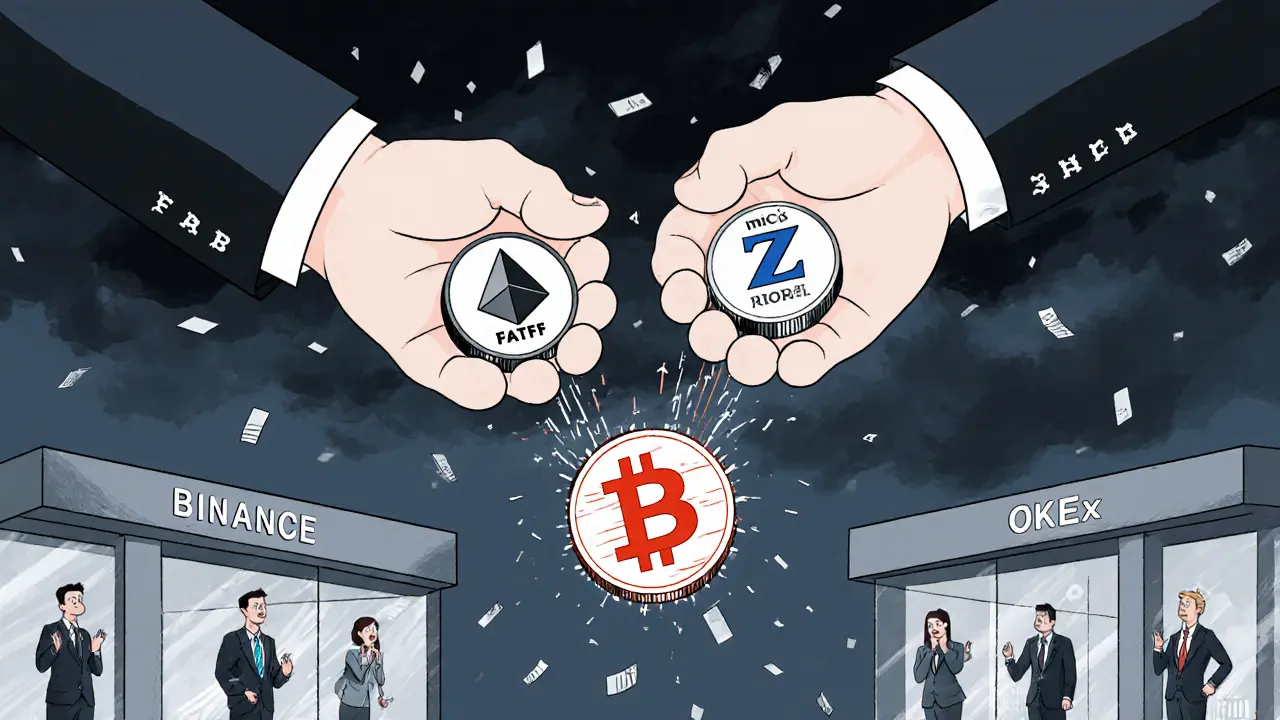
Privacy Coin Delisting Wave from Crypto Exchanges: Why It’s Happening and What It Means for Users
Privacy coins like Monero and Zcash are being removed from major crypto exchanges due to global regulatory crackdowns. Learn why this is happening, how users are adapting, and what it means for the future of financial privacy.