Crypto Regulation Nigeria: What You Need to Know About Crypto Laws in Nigeria
When it comes to crypto regulation Nigeria, the rules set by the Central Bank of Nigeria that control how digital assets can be used, traded, and taxed within the country. Also known as Nigeria crypto laws, these rules have changed dramatically since 2021, turning what was once a booming crypto market into a gray zone where users walk a tightrope between innovation and compliance. Nigeria was one of the first African nations to see mass adoption of Bitcoin and other cryptocurrencies—thanks to high inflation, limited banking access, and a young, tech-savvy population. But the Central Bank of Nigeria, the nation’s financial authority that has banned banks from processing crypto transactions and issued warnings against digital asset use. Also known as CBN, it plays a decisive role in shaping the legal landscape cracked down hard. In 2021, the CBN ordered all financial institutions to cut off services to crypto exchanges and users. That didn’t stop people from trading—it just pushed them underground. Today, Nigerians still buy and sell crypto daily, but they do it through peer-to-peer platforms, foreign wallets, or over-the-counter traders. The crypto exchange Nigeria, any platform that allows users to trade digital assets within Nigeria, often operating without official approval. Also known as Nigerian crypto platforms, they face constant legal pressure is technically illegal, yet millions use them anyway. Why? Because remittances, savings, and earning opportunities are more important than bureaucratic rules.
The government hasn’t fully banned crypto—it just refuses to recognize it as legal tender. The crypto taxation Nigeria, the potential tax obligations on crypto gains, income, or transfers under Nigerian law. Also known as crypto tax Nigeria, it’s still unclear how strictly it will be enforced is a big question mark. The Federal Inland Revenue Service (FIRS) says crypto profits are taxable, but there’s no system to track them. That means most users don’t report. Meanwhile, regulators keep talking about creating a legal framework, but nothing concrete has been passed. The result? A legal limbo where you can’t use crypto to pay for goods, can’t open a bank account linked to your wallet, but can still buy Bitcoin with cash from a stranger. This isn’t just a technical issue—it affects real people trying to protect their money from inflation or send money home to family. The crypto regulation Nigeria, the evolving set of policies and enforcement actions by Nigerian authorities regarding digital assets. Also known as Nigeria digital asset rules, it’s a moving target is confusing, inconsistent, and often contradictory. You’ll find news articles saying crypto is banned, then see ads for crypto ATMs in Lagos. You’ll hear about arrests of crypto traders, then read about a new fintech startup getting funding from foreign investors.
What you’ll find in the posts below are real stories from people navigating this mess. You’ll learn why Nigerian traders avoid regulated exchanges, how they use USDT to dodge currency controls, and which platforms still work despite the CBN’s warnings. You’ll see how scams exploit this confusion and how some users are quietly building legal workarounds. This isn’t about speculation—it’s about survival in a system that doesn’t fully accept your tools, but won’t let you go without them either.
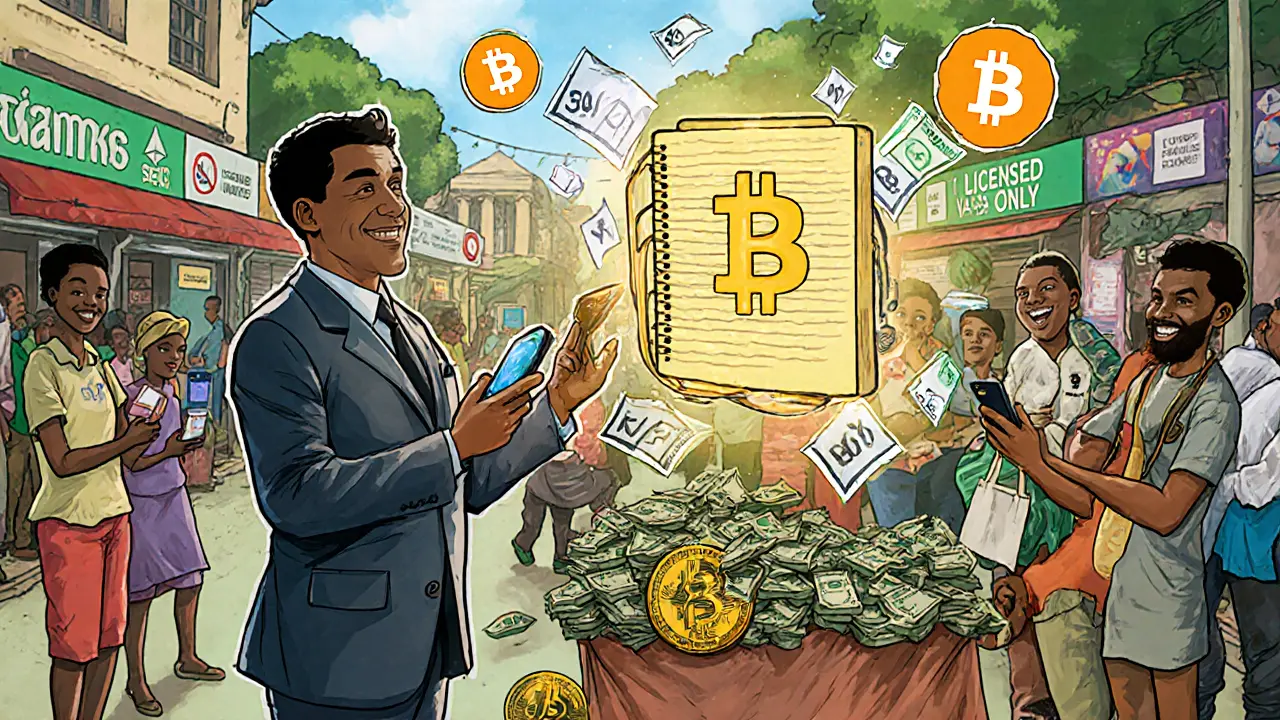
Is Crypto Regulated in Nigeria? 2025 Legal Framework Explained
Nigeria officially regulates cryptocurrency as of 2025 under the Investments and Securities Act. The SEC now licenses exchanges, crypto is taxable, and banks can serve compliant businesses. Here's what you need to know.