Crypto Licensing in Pakistan: Rules, Risks, and What’s Allowed in 2025
When it comes to crypto licensing in Pakistan, the legal status of cryptocurrency operations under Pakistani law. Also known as crypto regulation Pakistan, it’s not about formal permits—it’s about silence. The State Bank of Pakistan hasn’t issued a single license for crypto exchanges, and the central bank has repeatedly warned banks to cut off crypto-related transactions. Yet, millions still trade. This isn’t a ban like Cambodia’s. It’s a fog. No law says you can’t own Bitcoin. But if you try to deposit crypto earnings into your bank account, you’ll hit a wall.
That’s where P2P trading, peer-to-peer crypto exchanges that bypass traditional banking. Also known as crypto OTC Pakistan, it’s the real backbone of crypto use here. Platforms like LocalBitcoins and Paxful are flooded with Pakistani users buying Bitcoin with bank transfers, cash deposits, or even mobile wallets. Banks don’t monitor every transaction, so traders exploit the gap. But it’s risky. If a bank flags your account for frequent crypto deposits, they can freeze it without warning. And there’s no legal recourse.
blockchain legal status Pakistan, the unofficial recognition of blockchain technology separate from crypto assets. Also known as crypto tech Pakistan, is a different story. The government has funded blockchain pilot projects for land records and tax tracking. They’re not against the tech—they’re scared of the money. If people can send value without oversight, it undermines control. That’s why the State Bank pushes Bakong-style systems: digital rupees under their control, not decentralized coins.
Most people in Pakistan don’t care about licensing. They care about access. If you can buy $100 worth of Bitcoin with your phone and send it to a friend in Dubai, you don’t need a license. You need speed, low fees, and anonymity. That’s why platforms like Binance and KuCoin remain popular—even though they’re technically blocked. People use VPNs, unofficial gateways, and trusted middlemen to get in. It’s not legal. But it’s practical.
And then there’s the risk. Every year, someone gets scammed by a fake crypto exchange pretending to be licensed. Or they deposit funds into a platform that vanishes overnight. No regulator steps in. No police track the wallets. That’s why the posts below focus on real platforms, real risks, and real stories from users who’ve been burned. You’ll find reviews of exchanges people actually use, breakdowns of scams disguised as licensing, and warnings about tokens that claim to be "Pakistan-approved"—they’re not.
There’s no official crypto licensing in Pakistan. But there’s a thriving underground economy built on trust, tech, and timing. What follows isn’t a legal guide. It’s a survival map.
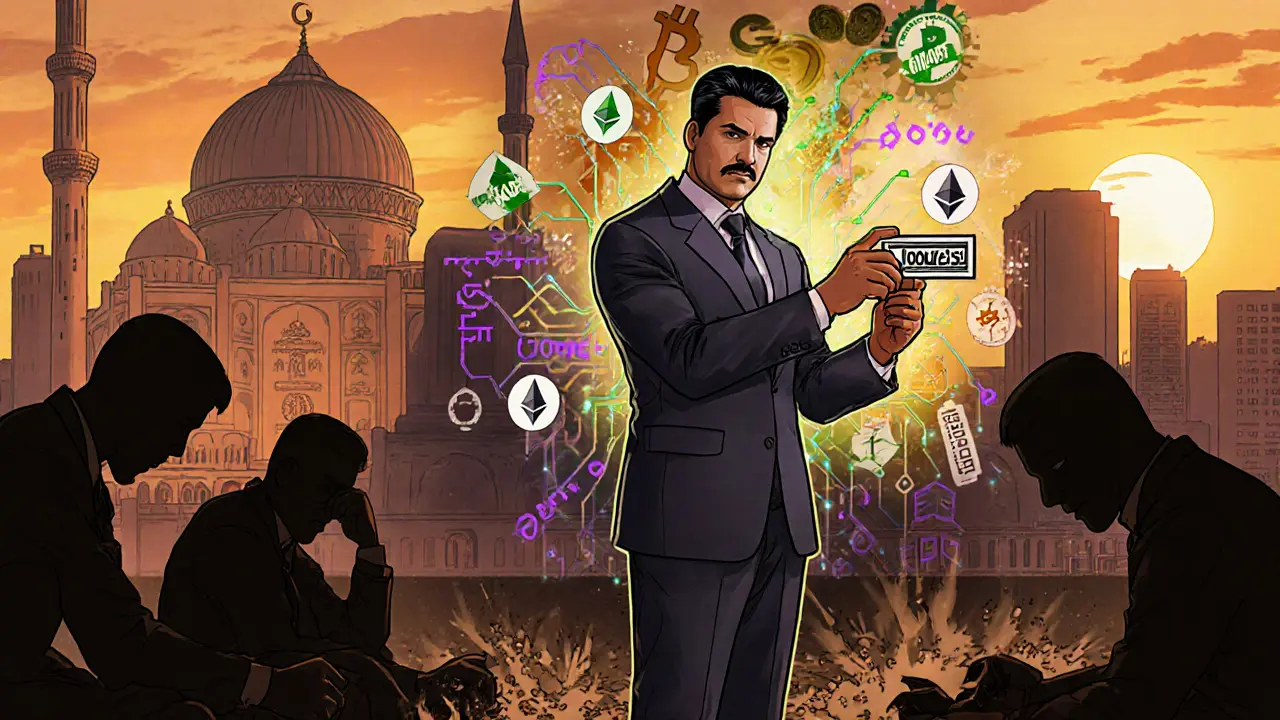
Pakistan Virtual Assets Regulatory Authority (PVARA) for Crypto Oversight: What You Need to Know
Pakistan's new PVARA regulator brings legal clarity to crypto. Learn how licensing works, who can operate, and what this means for users and businesses in 2025.