Blockchain Trading: What It Is, How It Works, and Where to Start
When you trade on a blockchain trading, the direct exchange of cryptocurrencies without intermediaries like banks or traditional brokers. Also known as crypto trading on decentralized networks, it means your money moves peer-to-peer using smart contracts, not through a company that holds your funds. This isn’t just about buying Bitcoin—it’s about using tools like decentralized exchange, a platform where users swap crypto directly from their wallets without a middleman to trade tokens, earn yield, or access new projects before they hit big exchanges.
Blockchain trading relies on three key pieces: a wallet, a network like Ethereum or Solana, and a DeFi platform, a financial system built on open blockchains that lets you lend, borrow, or trade without approval from a bank. You don’t need to sign up anywhere. You connect your wallet, pick a token, and trade. But that freedom comes with risk. Many platforms have no customer support, no insurance, and no way to reverse a mistake. That’s why knowing which crypto exchanges, platforms where users buy and sell digital assets, either centralized or decentralized are safe matters more than ever. Solarbeam, LFJ V2.2, and SundaeSwap v3 are examples of DEXs built for specific chains, offering low fees but thin liquidity. Others, like SOLIDINSTAPAY or GoodExchange, are outright scams with no real trading volume or user base.
Most of the trades you’ll see in the posts below aren’t about big-name coins like Bitcoin or Ethereum. They’re about niche tokens on smaller networks—tokens tied to games, memes, recycling programs, or AI idols. Some are real projects with actual users. Others are dead coins with zero circulation, like SUIA, or outright fabrications like YOTSUBA. Blockchain trading today isn’t just about price charts. It’s about spotting the difference between a working DEX and a phishing site, between a token with real utility and one that’s just a meme. You need to understand how wrapped assets like WBTC work, why privacy coins are getting delisted, and how airdrops can turn into traps. The posts here cut through the noise. You’ll find real reviews of exchanges, breakdowns of failed IDOs, and warnings about scams that look legit. This isn’t theory. It’s what people are actually doing—and losing money on—in 2025. What you find below is a map of where the real action is, and where you should walk away fast.
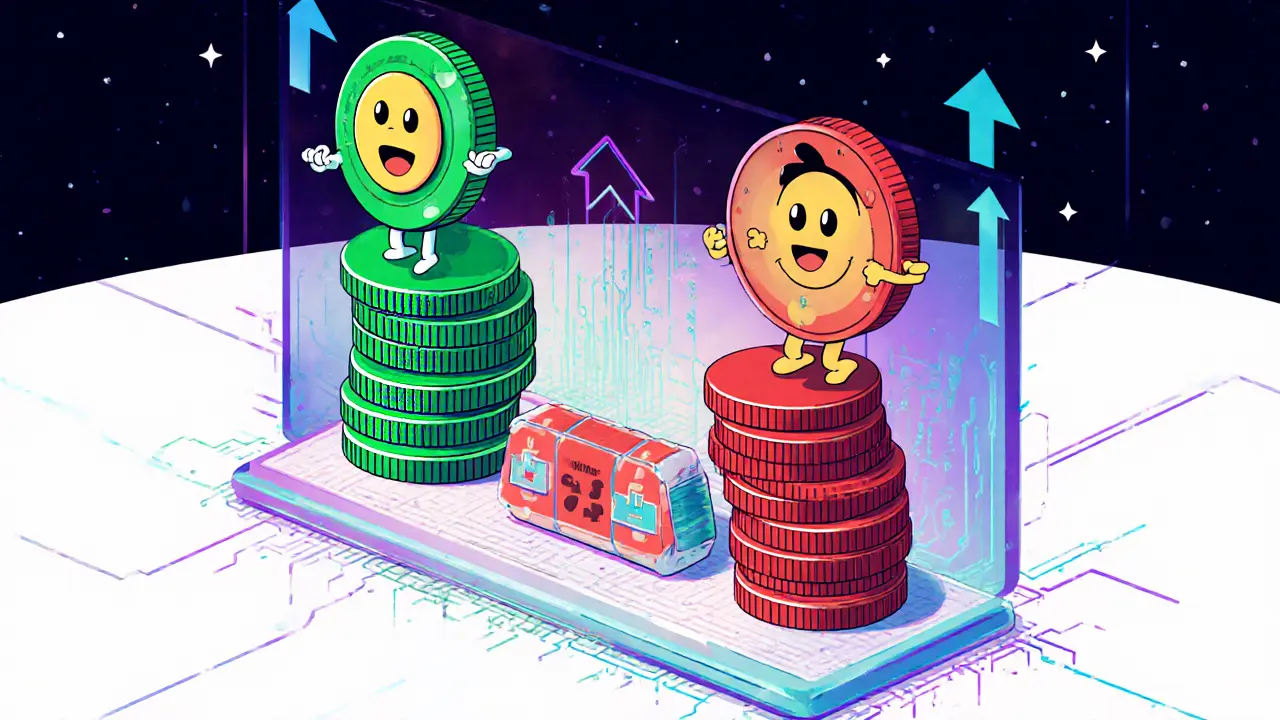
Decentralized Exchange Order Books Explained: How They Work and Why They Matter
Decentralized exchange order books let traders buy and sell crypto directly from their wallets with real-time price discovery, limit orders, and full transparency-without giving up control. Learn how they work, why they're better for pros, and how they compare to AMMs.