Blockchain Recycling: What It Really Means and How It's Changing Crypto
When people talk about blockchain recycling, the practice of reducing waste and energy waste in blockchain networks through reuse, efficiency, and sustainable design. Also known as green blockchain, it’s not about melting down old ASIC miners—it’s about making crypto networks use less power, repurpose data, and stop treating the planet like a free dump. Most blockchains still run on energy-hungry systems that burn more electricity than entire countries. But a quiet shift is happening. Some chains are switching to Proof-of-Stake, others are using leftover heat from mining to warm homes, and a few are even turning old blockchain data into new digital assets instead of deleting it.
The real problem isn’t the tech—it’s the mindset. Many think blockchain is inherently wasteful, but that’s only true if you keep using the same old rules. crypto sustainability, the long-term balance between blockchain growth and environmental impact. Also known as eco-friendly crypto, it’s about designing systems that don’t need constant new power just to validate a transaction. Take Ethereum. Before 2022, it used as much energy as the Netherlands. After switching to Proof-of-Stake, it cut energy use by 99.95%. That’s not a tweak—it’s a revolution. And it’s not alone. Projects like Algorand, Cardano, and Solana were built with low energy use from day one. They didn’t wait for a crisis to act. They built differently from the start.
Then there’s blockchain energy use, the total electricity consumed by a blockchain network to maintain its ledger and secure transactions. This isn’t just about miners. It’s about data centers, cooling systems, and the hidden costs of running nodes 24/7. Some networks now recycle that energy—like using waste heat from mining rigs to heat greenhouses or district heating systems. Others are using renewable-powered validators instead of fossil-fueled ones. Even the way data is stored matters. Instead of keeping every single transaction forever, some chains now compress or archive old data, reducing storage waste. That’s recycling at the code level.
What you’ll find in these posts isn’t hype. It’s the real stories behind the crypto projects that actually care. You’ll see how a meme coin on Solana helped onboard beginners without burning energy. You’ll learn why privacy coins are being dropped from exchanges—not because they’re bad, but because regulators fear their untraceable nature. You’ll find out which DEXs run on low-energy networks, and which ones are just digital landfills with fancy UIs. This isn’t about being perfect. It’s about being smarter. The future of crypto doesn’t need more mining rigs. It needs better design, smarter choices, and real accountability. And that’s what these guides are for.
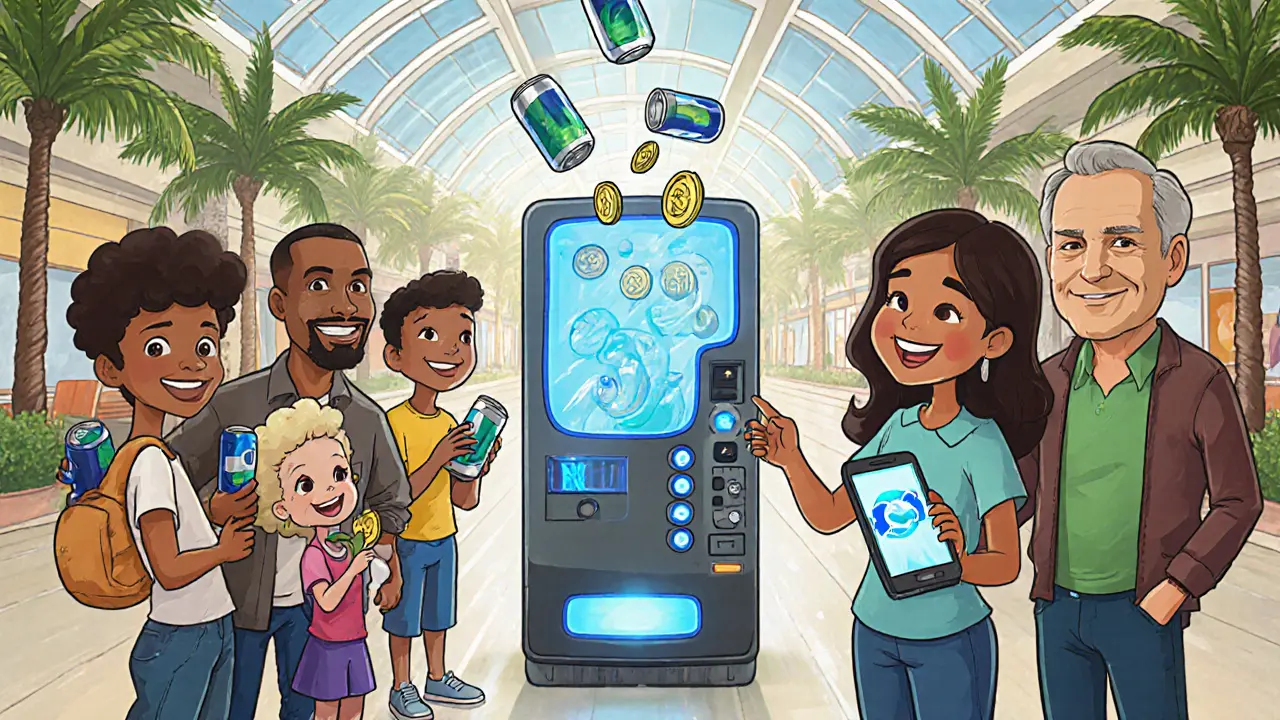
What is RecycleX (RCX) Crypto Coin? Real-World Recycling Meets Blockchain Rewards
RecycleX (RCX) is a crypto coin that rewards users for recycling plastic and other materials through special vending machines. It's a real-world blockchain project with low liquidity, high volatility, and unverified infrastructure.