Blockchain Ownership: What It Really Means and How It Changes Everything
When you hear blockchain ownership, the ability to prove and control digital assets without intermediaries. Also known as digital ownership, it means your crypto, NFTs, or tokens aren’t just stored somewhere—you actually hold the keys, and no bank, company, or government can take them away without your permission. This isn’t theory. It’s happening right now, whether you’re holding a rare NFT, trading on a decentralized exchange, or earning tokens from a Web3 game.
Blockchain ownership changes how you think about value. Traditional assets like music, art, or even virtual land need middlemen to verify who owns what. With blockchain, that verification happens automatically through public ledgers. Your ownership is tied to a unique cryptographic key, not an account number or a contract signed with a company. That’s why NFTs on Ethereum or Solana aren’t just pictures—they’re verifiable proof of possession. And when you see projects like NFT token standards, rules that define how digital assets are created and transferred on blockchains like ERC-721 or ERC-1155, they’re the foundation that makes this possible. Without these standards, blockchain ownership would be messy, inconsistent, and unreliable.
But ownership isn’t just about what you have—it’s about how you use it. That’s why decentralized exchanges like Solarbeam or HDEX matter. They let you trade directly from your wallet, keeping control of your keys instead of handing them over to a central exchange. It’s the same with DeFi lending platforms: you earn interest on your crypto without trusting a bank. Even when projects fail—like BitOrbit or SUIA—it’s still blockchain ownership in action. You lost tokens, not your entire account. You didn’t get locked out by a CEO. You still had control until the moment the project vanished.
And it’s not just for investors. Blockchain ownership is reshaping identity, too. Imagine proving you’re you online without giving your name, address, or phone number. That’s what decentralized identity aims for. It’s still early, but the pieces are there: tokens that represent your credentials, wallets that store your proof, and networks that verify it all without a central authority. This is why privacy coins like Monero face delisting—they threaten traditional control systems. And why Cambodia bans crypto transactions: governments don’t like losing power over money.
What you’ll find below isn’t a list of random crypto posts. It’s a real-world map of blockchain ownership in action. You’ll see how it works in games, exchanges, recycling programs, and even meme coins. Some projects deliver on the promise. Others are scams, dead ends, or traps. But every single one shows you how ownership looks when it’s not controlled by a corporation. This isn’t about hype. It’s about knowing what’s real, what’s risky, and what you actually own—before you click, invest, or sign up.
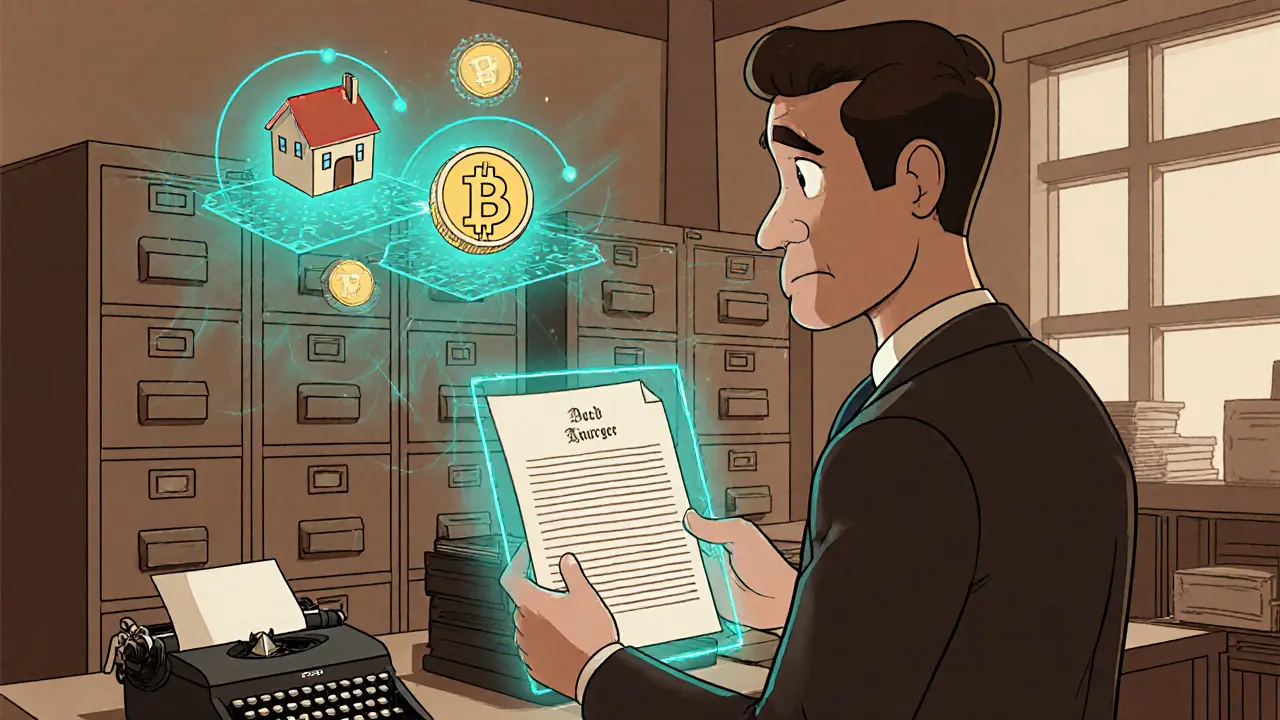
Future of Digital Asset Ownership: How Blockchain Is Rewriting Property Rights
Digital asset ownership is transforming how we hold property, with blockchain enabling instant transfers, fractional investments, and automated compliance. Real estate, private equity, and more are being tokenized - and institutions are moving fast.