BitMEX crypto exchange: What it was, why it shut down, and what replaced it
When you think of BitMEX crypto exchange, a high-leverage derivatives trading platform that dominated crypto futures markets in the late 2010s. Also known as BitMEX Trading Platform, it was the go-to place for traders who wanted to bet big on Bitcoin’s price swings with up to 100x leverage. Unlike spot exchanges like Coinbase or Binance, BitMEX didn’t let you buy and sell coins directly. Instead, it let you trade contracts—essentially bets on where Bitcoin’s price would go next. That made it popular with professional traders, hedge funds, and anyone chasing big returns fast.
But that same model also made it dangerous. Crypto derivatives, financial instruments whose value is tied to the price of an underlying asset like Bitcoin or Ethereum. Also known as futures and perpetual swaps, they let traders control large positions with little money down—but lost just as fast when the market turned. BitMEX didn’t verify users’ identities, didn’t follow AML rules, and didn’t keep customer funds in cold storage. That caught the attention of the U.S. Commodity Futures Trading Commission (CFTC) and the Department of Justice. In 2020, they started investigating. By 2021, BitMEX was fined $100 million and forced to shut down U.S. services. In 2022, its founders pleaded guilty to violating U.S. anti-money laundering laws.
What happened after BitMEX collapsed? Traders didn’t disappear—they moved. Crypto regulation, the growing global effort to bring oversight to decentralized markets. Also known as financial compliance for digital assets, it forced exchanges to either adapt or vanish. Platforms like Bybit, OKX, and Binance stepped in with similar tools—high leverage, low fees, and no KYC for non-U.S. users—but added layers of legal compliance to avoid BitMEX’s fate. Meanwhile, decentralized alternatives like dYdX and Hyperliquid started gaining traction, offering non-custodial futures trading directly from your wallet.
Today, BitMEX lives on only as a cautionary tale. Its legacy isn’t in the money it made—it’s in how it exposed the risks of unregulated trading. If you’re trading crypto derivatives now, you’re doing it on platforms that answer to regulators, keep user funds safer, and actually disclose their risks. The wild west of crypto trading is over. The question isn’t whether you can still trade with leverage—it’s whether you’re doing it on a platform that won’t disappear tomorrow.
Below, you’ll find real-world examples of what happened after BitMEX fell—how other exchanges rose, how scams copied its name, and how traders learned to protect themselves in a more regulated world.
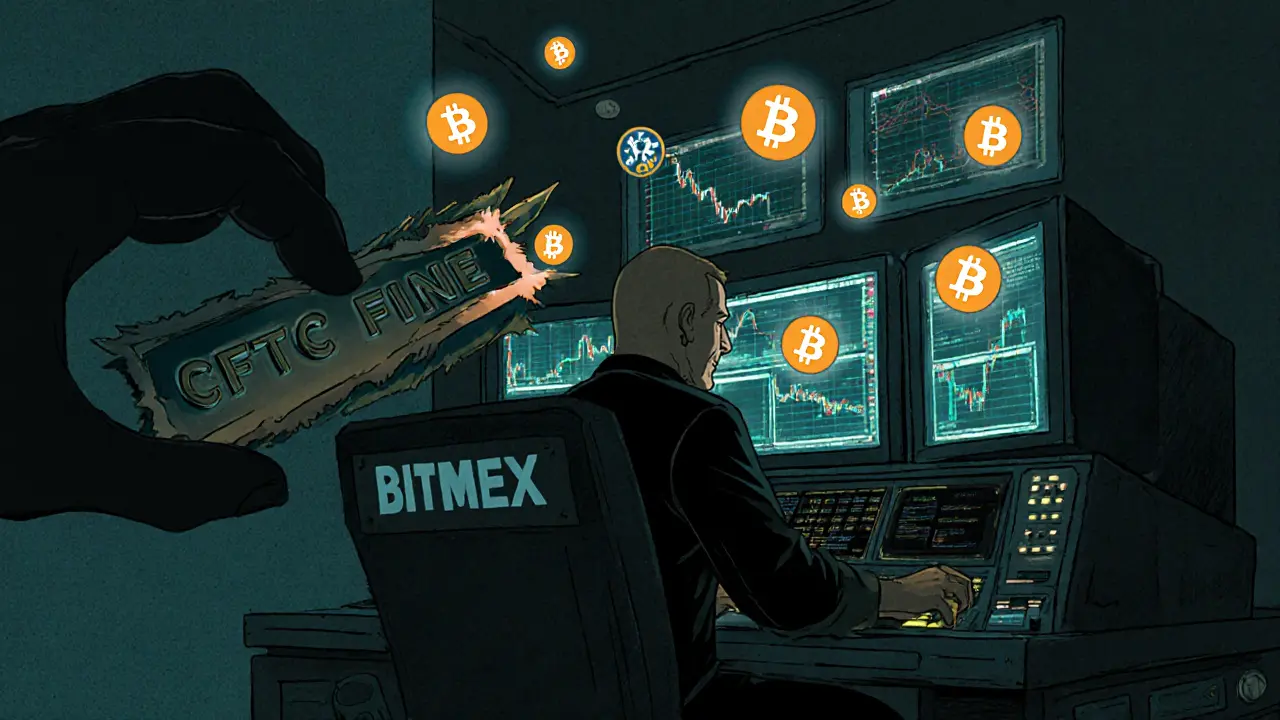
BitMEX Crypto Exchange Review 2025: Liquidity, Leverage, and Legal Risks
BitMEX remains a top platform for professional crypto traders in 2025, offering deep liquidity and 100x leverage on Bitcoin derivatives. But with no U.S. access, no fiat deposits, and a complex interface, it's only suitable for experienced traders.