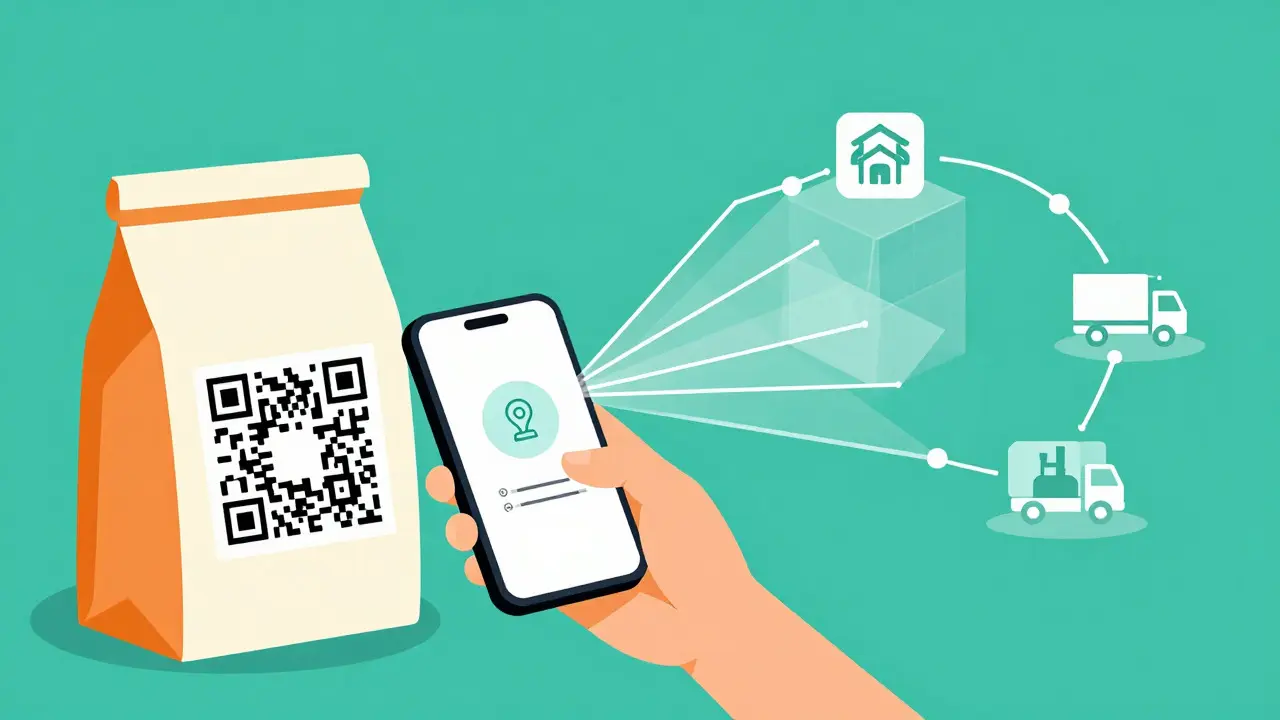
Imagine a world where you can scan the QR code on your coffee bag and instantly see exactly which farm grew the beans, when they were roasted, and how much carbon was emitted during shipping. That is not science fiction; it is becoming reality through Supply Chain Blockchain is a distributed ledger technology that creates transparent, immutable records of transactions and events across complex supply networks, enabling real-time traceability from raw materials to end consumers.
For decades, supply chains have been plagued by information silos, fraud, and slow response times to quality issues. When a batch of tainted food hits the market, traditional methods take months to trace the source. But with blockchain, companies can pinpoint the problem in seconds. This shift isn't just about tech for tech's sake; it is about solving concrete business problems like cost reduction, regulatory compliance, and consumer trust.
How Supply Chain Blockchain Actually Works
To understand the value, you need to look under the hood. A blockchain supply chain system relies on three main technical mechanisms: sensor integration, smart contract automation, and immutable transaction recording. These work together to create a single source of truth that every partner in the network can access but no one can alter without consensus.
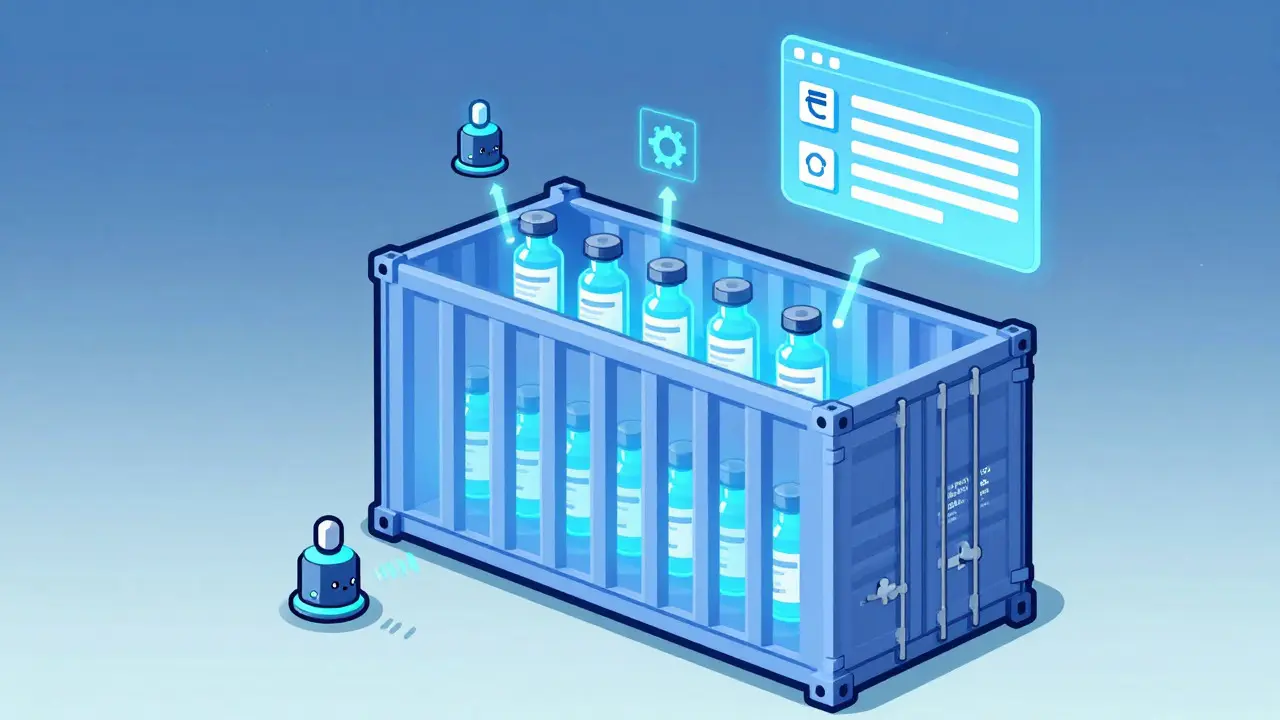
- Sensor Integration: Internet of Things (IoT) devices record environmental data like temperature, humidity, and vibration directly onto the ledger. If a truck carrying vaccines gets too warm, the alert is instant and permanent.
- Smart Contracts: These are self-executing contracts with the terms written directly into code. They automatically trigger actions based on predetermined conditions, such as adjusting storage settings or applying penalties if a deadline is missed.
- Immutable Recording: Every event, from raw material extraction to final delivery, is logged. Once data is on the blockchain, it cannot be changed, eliminating disputes over who did what and when.
This setup eliminates the need for intermediaries to verify data. Instead of relying on paper documents or disconnected spreadsheets, all parties share the same live view of the supply chain. This transparency reduces administrative overhead significantly because there is less paperwork to reconcile and fewer middlemen to coordinate with.
Cold Chain Monitoring: Saving Lives and Money
One of the most critical applications is in the pharmaceutical and food industries, specifically for products that require strict temperature control. This is known as cold chain monitoring. During the COVID-19 pandemic, this technology proved its worth when Moderna used a blockchain system to ensure its vaccines remained within the required -70°C range throughout their global distribution. Any deviation would have triggered an immediate alert, allowing logistics teams to act before the product became useless.
The process works like this: sensors attached to shipping containers continuously broadcast data to the blockchain. If the temperature rises above a safe threshold, a smart contract can automatically declare the batch unfit for sale or adjust the use-by date. This prevents bad products from reaching shelves and saves companies from the massive costs associated with recalls and waste.
Dramatic Speedups in Food Recall Management
If you work in food safety, you know that recall management is a nightmare. Traditionally, tracing a defective product back to its source takes an average of two months. With blockchain, that timeline shrinks to seconds. Why? Because every step of the journey is recorded in a way that is easy to query and verify.
Walmart has been a major proponent of this approach. By prioritizing blockchain solutions, the retail giant gained detailed insights into supply chain events. This allowed them to manage suppliers better and perform more efficient quality checks. The result is a dramatic reduction in time and cost at various levels of the supply chain. For consumers, this means safer food and faster responses when things go wrong.
Real-World Success Stories Across Industries
It is easy to get lost in the theory, so let’s look at some concrete examples of companies that have already made the jump. These case studies show that blockchain is not just a buzzword but a practical tool for diverse sectors.
| Company | Industry | Application | Key Outcome |
|---|---|---|---|
| Maersk & IBM | Shipping | TradeLens platform for cargo tracking | First major test of blockchain in global shipping, improving visibility of container movements. |
| De Beers Group | Jewelry | Tracking high-value diamonds from mine to retail | Solved conflict diamond trade issues and provided provenance trust for customers. |
| Ford Motor Company | Automotive | Tracing cobalt supplies for electric car batteries | Ensured authentic product quality and verified ethical sourcing of battery components. |
| John West | Food & Beverage | Traceability codes on tuna cans | Allowed customers to trace products back to individual fishermen, enhancing brand trust. |
| ADNOC | Energy | Pilot program with IBM to track oil | Automated transactions from well to customer, reducing manual processing errors. |
Each of these examples highlights a different facet of blockchain's utility. Maersk focused on logistics efficiency, De Beers on trust and provenance, Ford on sustainability and component integrity, John West on consumer engagement, and ADNOC on transaction automation. Together, they paint a picture of a technology that adapts to specific industry needs rather than forcing a one-size-fits-all solution.
Cost Reductions and Operational Efficiency
You might wonder if the investment in blockchain technology actually pays off. The data suggests it does, particularly in cost reduction. Tracifier, a German startup providing supply chain traceability solutions, achieved up to a 40% reduction in food processing costs for its customers after integrating Oracle Blockchain into its database. How? By automating previously manual tasks like checking stock availability and updating records.
In the automotive industry, companies are seeing reduced inventory tracking costs. By automating the flow of data, they eliminate the need for staff to manually reconcile discrepancies between different systems. This administrative overhead reduction occurs across the entire supply chain lifecycle, freeing up resources for more strategic activities.
Furthermore, the technology enables secure peer-to-peer transactions between trading partners. This facilitates access to financing on decentralized platforms, which opens expansion opportunities for smaller businesses that might otherwise struggle to get loans from traditional banks. By tokenizing goods, companies create digital representations of physical assets, leading to faster transactions and greater transparency.

Implementation Challenges and Considerations
Despite the benefits, implementing a supply chain blockchain system is not without hurdles. The learning curve involves understanding distributed ledger principles, developing smart contracts, and integrating the new system with existing enterprise resource planning (ERP) software. Companies must also invest in sensor technology for real-time monitoring, especially for temperature-sensitive products.
Implementation timeframes vary significantly based on complexity. A simple traceability system for a single product line might be deployable within months. However, a comprehensive multi-partner network involving dozens of suppliers, manufacturers, and retailers requires longer development periods. The key is starting small. Many successful implementations began with pilot programs, like the one FedEx launched with the Blockchain in Transport Alliance (BiTA), to clarify data storage and streamline customer dispute resolution before scaling up.
The Future: AI, IoT, and Tokenization
Where is this heading next? The future of supply chain blockchain lies in deeper integration with emerging technologies. Experts note that blockchain empowers new opportunities to enhance technologies like Artificial Intelligence (AI) and the Internet of Things (IoT). Combining these tools promises more sophisticated analytics and predictive capabilities for supply chain optimization.
Tokenization of goods is another key advancement. By creating digital twins of physical assets, companies can facilitate faster transactions and greater transparency. This trend is particularly relevant in the automotive industry, where adoption for battery component tracking indicates expanding applications in sustainability verification and regulatory compliance. As more companies recognize the competitive advantages of enhanced transparency, reduced costs, and improved risk management, we can expect continued adoption acceleration in the coming years.
Frequently Asked Questions
What is the main benefit of using blockchain in supply chains?
The primary benefit is real-time traceability and transparency. It allows every participant in the supply chain to see the same immutable record of transactions, which reduces fraud, speeds up recalls, and builds consumer trust.
How does blockchain speed up food recalls?
Traditional methods take about two months to trace a defective product. Blockchain reduces this to seconds because every step of the product's journey is recorded in a centralized, easily searchable ledger, allowing companies to quickly identify the source of contamination.
Can small businesses afford to implement supply chain blockchain?
Yes, increasingly so. While large-scale networks are complex, many startups and mid-sized firms use ready-made platforms or join consortiums to share infrastructure costs. Additionally, blockchain enables access to decentralized financing, helping smaller businesses expand.
What role do smart contracts play in supply chain management?
Smart contracts automate actions based on predefined conditions. For example, if a shipment arrives late, a smart contract can automatically apply a penalty or release payment upon delivery confirmation, removing the need for manual negotiation and paperwork.
Is supply chain blockchain only for the food and pharma industries?
No. While food and pharmaceuticals lead adoption due to safety regulations, the technology is also widely used in shipping (Maersk), jewelry (De Beers), automotive (Ford), energy (ADNOC), and logistics (FedEx) to improve efficiency and trust.