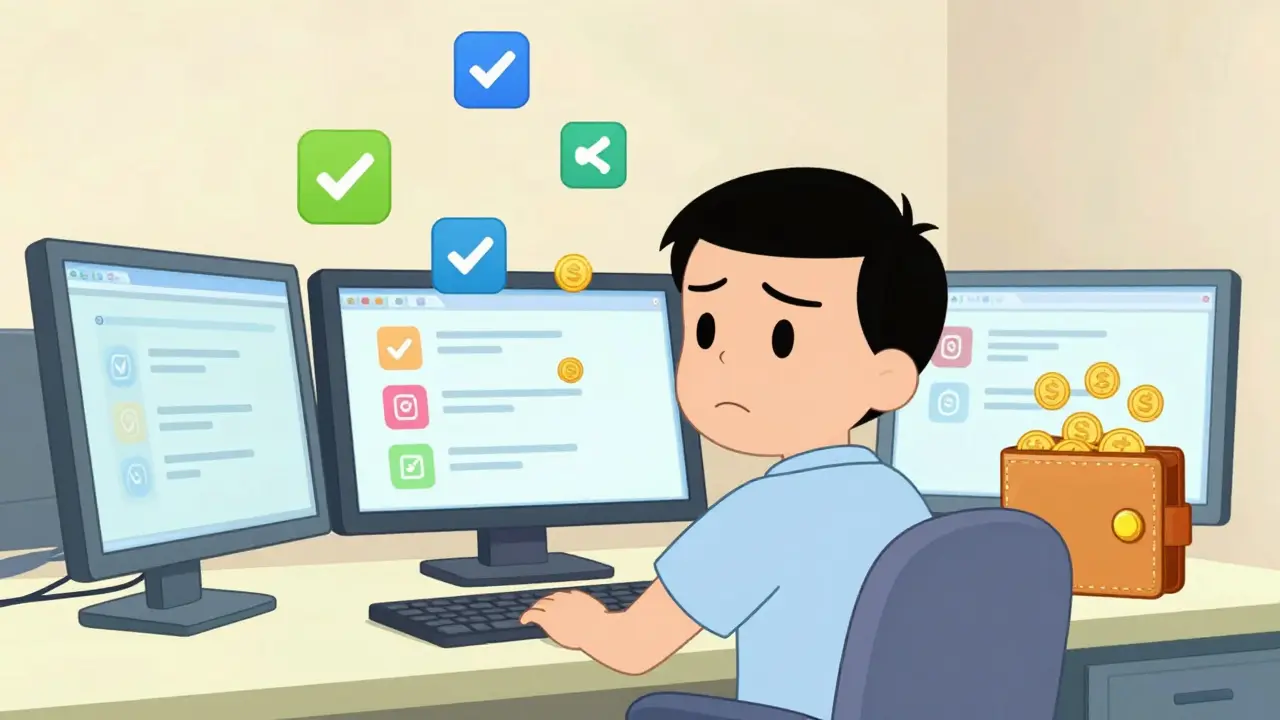
Free tokens sound like the holy grail of crypto. You sign up, click a few buttons, and suddenly your wallet is full of potential wealth. But when it comes to Sishi Finance, the reality is a bit more complicated than just clicking 'claim.' The SISHI token has been making headlines for its aggressive distribution model, but also for some staggering price drops that have left many holders wondering if those free tokens are actually worth anything.
If you're looking at the current landscape in late 2025 and heading into 2026, you need to understand exactly how this airdrop works, where the traps are, and whether participating in these "ongoing challenges" is a smart move or a waste of time. Let's break down the mechanics, the risks, and the hard data behind the hype.
How the Sishi Finance Airdrop Actually Works
Unlike traditional airdrops where a project takes a snapshot of blockchain addresses on a specific date and sends tokens to eligible wallets, Sishi Finance uses a different approach. This isn't a one-time event. It’s a continuous engagement model.
The primary channel for receiving SISHI tokens is through promotional activities and community challenges. Platforms like Bitget have confirmed that users can receive free SISHI by joining ongoing campaigns. Here is what that typically looks like:
- Task-Based Rewards: You don't just hold; you act. Tasks often include following social media accounts, joining Telegram groups, sharing posts, or completing quizzes about the project.
- Promotional Campaigns: These are time-bound events hosted on exchanges or partner platforms. They might require you to trade other assets or provide liquidity to earn SISHI as a bonus.
- Community Challenges: Longer-term engagement where consistent activity over weeks or months yields higher rewards.
This structure shifts the burden from passive holding to active participation. For the project, it builds visibility and user acquisition. For you, it means trading your time and attention for tokens. The catch? There is rarely a fixed amount promised upfront. The value depends entirely on how much effort you put in and the subsequent market performance of the token.
Is there a specific snapshot date for the SISHI airdrop?
No. Sishi Finance does not use a traditional snapshot-based distribution. Instead, it relies on continuous tasks and promotions primarily facilitated through partners like Bitget.
The Hard Numbers: Price History and Volatility
Before you spend hours completing social media tasks, look at the numbers. The financial history of the SISHI token tells a story of extreme volatility and significant depreciation.
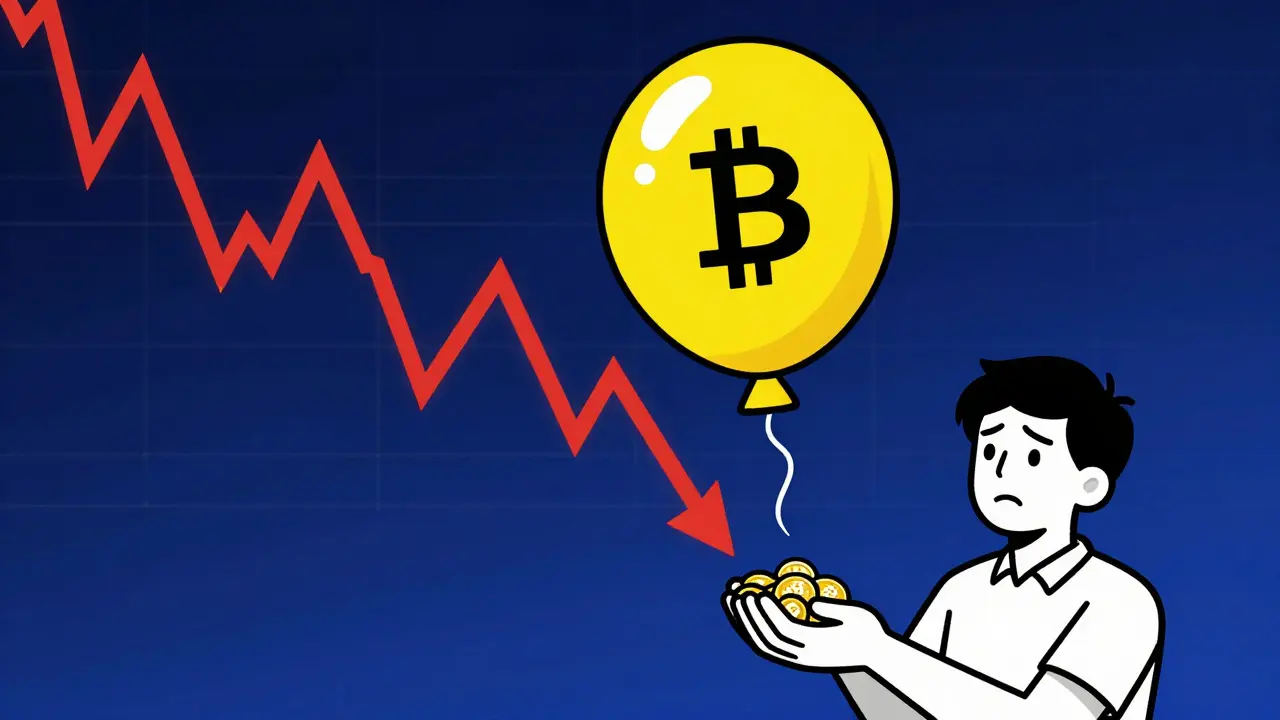
At its peak, SISHI traded at an all-time high of approximately USD $7.29. That was a moment of intense speculation. Fast forward to October 2025, and the price had plummeted to around $0.0005878 according to CoinMarketCap, with Binance reporting similar figures near $0.000517. This represents a loss of over 99.99% of its peak value.
Why does this matter for an airdrop participant? Because an airdrop gives you *quantity*, not necessarily *value*. If you earn 10,000 SISHI tokens through a challenge, let's do the math. At $0.0005 per token, that 10,000-token reward is worth roughly $5 USD. Is spending ten hours on social media tasks worth five dollars? For most people, the answer is no.
| Metric | Value | Implication for Airdrop |
|---|---|---|
| All-Time High | $7.29 | Shows past speculative bubble; unlikely to return soon. |
| Current Price (Oct 2025) | ~$0.0005 | Extremely low unit value requires massive volume to be profitable. |
| 24-Hour Volume | Near Zero | Critical risk: You may not be able to sell the tokens easily. |
| Price Change (7 Days) | -2.37% | Continued downward pressure suggests weak demand. |
The lack of trading volume is perhaps the most concerning metric. Reports indicate near-zero trading volume on major aggregators like CoinMarketCap. In crypto, liquidity is king. If there is no volume, you cannot exit your position. You might hold thousands of SISHI tokens, but if there are no buyers, they are essentially digital paperweights. This illiquidity trap is common in low-cap tokens that rely heavily on marketing rather than utility.
Where to Participate: Exchanges and Platforms
If you decide the risk/reward ratio makes sense for you, you need to know where to look. Sishi Finance is listed on several major platforms, which adds a layer of legitimacy compared to unknown decentralized apps.
Bitget is currently the most active hub for SISHI airdrop-related activities. Their "Learn & Earn" or promotional challenge sections are where most users interact with the token. Other major exchanges like Binance and Coinbase list the token for trading, meaning once you claim your airdrop, you can potentially transfer it to these larger venues if liquidity permits.
Geographic availability is generally broad, though restrictions apply based on local regulations. For instance, Bitget services are available in regions like Lesotho and many other countries, but users in restricted jurisdictions (like certain US states or sanctioned regions) will not be able to participate. Always check the terms of service of the specific platform hosting the challenge.
Red Flags and Security Considerations
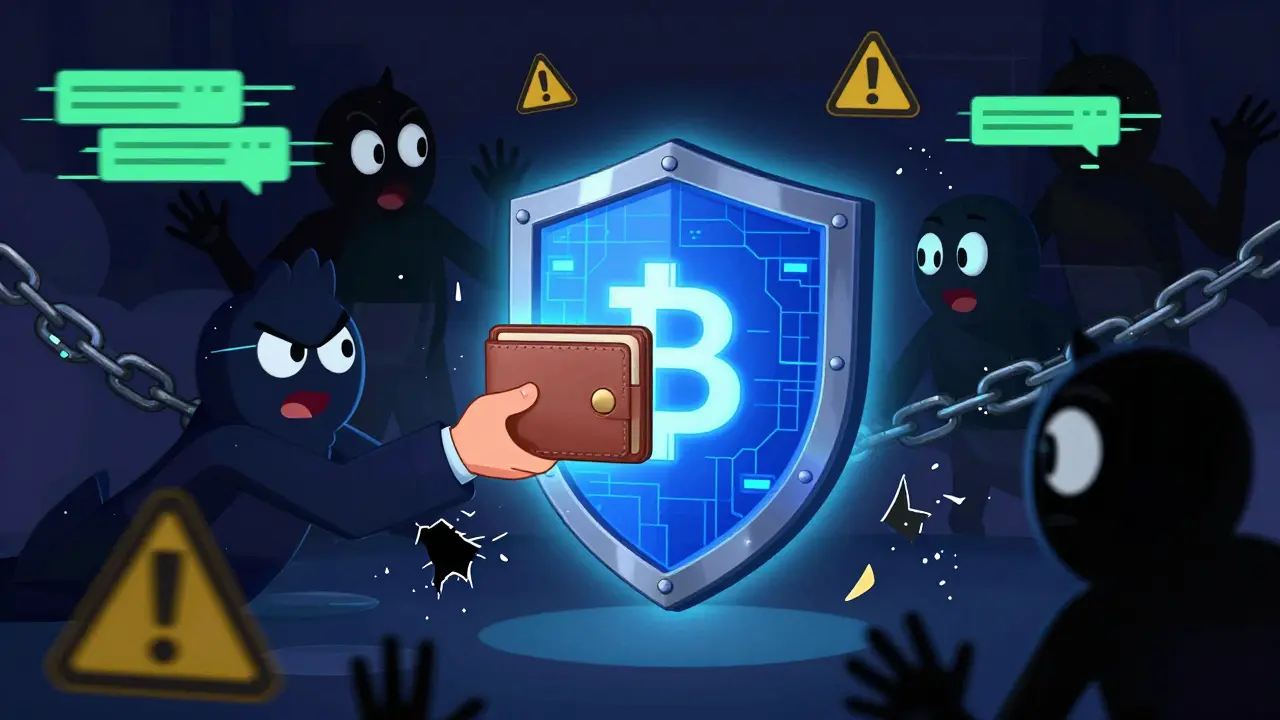
The crypto space is rife with scams, and airdrops are a favorite vector for phishing attacks. While Sishi Finance itself appears to be a legitimate project listed on major exchanges, the ecosystem around it attracts bad actors.
Here are three critical safety rules when pursuing any SISHI airdrop:
- Never Share Your Seed Phrase: No legitimate airdrop will ever ask for your 12-24 word recovery phrase. If a website claims you need to "verify" your wallet by entering these words, it is a scam designed to drain your entire portfolio.
- Beware of Fake Links: Scammers create copycat websites that look identical to Bitget or official Sishi Finance pages. Always double-check the URL. Bookmark the official exchange pages before you start searching for promo links.
- Check Contract Addresses: If you are interacting with a decentralized wallet, verify the contract address of the SISHI token on trusted databases like CoinMarketCap or CoinGecko. Sending funds to a fake contract address results in permanent loss.
Additionally, consider the opportunity cost. Time spent farming low-value tokens could be spent learning about more established projects, developing skills, or investing in assets with proven liquidity. The "free" nature of an airdrop often masks the real cost: your attention and time.
Future Outlook: Is SISHI Worth Holding?
Looking ahead to 2026, the outlook for SISHI remains cautious. Price prediction models from late 2025 suggested only modest changes (around 5%), indicating a market that expects stability rather than growth. Without a clear catalyst-such as a major partnership, a new utility feature, or a buyback program-it is difficult to see what would drive the price back up from its sub-cent levels.
For conservative investors, the strategy should be skepticism. Treat any SISHI tokens received as experimental money. Do not count them toward your net worth until you have successfully sold them for stablecoins or fiat currency. For aggressive traders, the low entry point might seem appealing for a lottery-ticket style bet, but the lack of liquidity makes this a high-risk gamble.
Ultimately, the Sishi Finance airdrop is a marketing tool. It spreads awareness and creates a base of holders. Whether that translates to long-term value for the individual participant is another question entirely. Do your due diligence, read the fine print of every challenge, and never invest more time or money than you can afford to lose.
How much SISHI can I realistically earn from an airdrop?
There is no fixed amount. Earnings depend on the specific challenge and your activity level. Given the token's low price (~$0.0005), even large token quantities may only equate to a few dollars in real-world value.
Can I sell my SISHI tokens immediately after claiming them?
Technically yes, if they are credited to an exchange account like Bitget. However, due to extremely low trading volume and liquidity issues on major markets, you may face slippage or find no buyers at your desired price.
Is Sishi Finance a scam?
Sishi Finance is listed on reputable exchanges like Binance and Coinbase, which suggests it is a legitimate entity. However, the token has experienced massive depreciation, and third-party scammers often impersonate such projects. Always verify official channels.
What are the eligibility criteria for the SISHI airdrop?
Eligibility varies by campaign. Common requirements include having a verified account on a partner exchange (like Bitget), completing social media tasks, and residing in a non-restricted jurisdiction. There is usually no minimum investment required.