
Ever feel like you're chasing ghosts in the crypto world? You hear whispers of a massive RACA drop tied to a prestigious name like "Cambridge," but when you dig for details, you hit a wall of silence. It’s frustrating, right? Especially when you’re trying to figure out if your wallet is ready or if you missed the snapshot date.
Here’s the hard truth as of October 2026: The specific mechanics of a confirmed "RACA × Cambridge" airdrop are shrouded in mystery because official data is scarce. While Radio Caca (RACA) has a history of aggressive community rewards and partnerships, a definitive, large-scale airdrop explicitly branded as "Cambridge" hasn't been fully detailed in mainstream aggregators yet. This article cuts through the noise. We’ll look at what we know about RACA’s distribution habits, how these types of partnership drops usually work, and exactly what you need to do to ensure you don’t miss out if this event goes live.
The Mystery of the Cambridge Connection
Why does everyone care about "Cambridge"? In the blockchain space, associating with academic institutions or established hubs often signals legitimacy. For Radio Caca, which operates on its own proprietary network called Metaverse ETP, credibility is everything. The project launched in 2021 and quickly gained traction by combining NFTs with gaming elements. But unlike Ethereum-based projects that rely on public audits from firms like CertiK, RACA’s ecosystem is more closed-loop.
If a "Cambridge" airdrop exists, it likely refers to one of three scenarios:
- A university-sponsored hackathon or research grant where tokens were distributed to students or researchers.
- A partnership with a venture capital firm or accelerator based in Cambridge, UK or Massachusetts, USA.
- A marketing campaign leveraging the "Cambridge" brand for prestige, potentially involving physical events or exclusive community access.
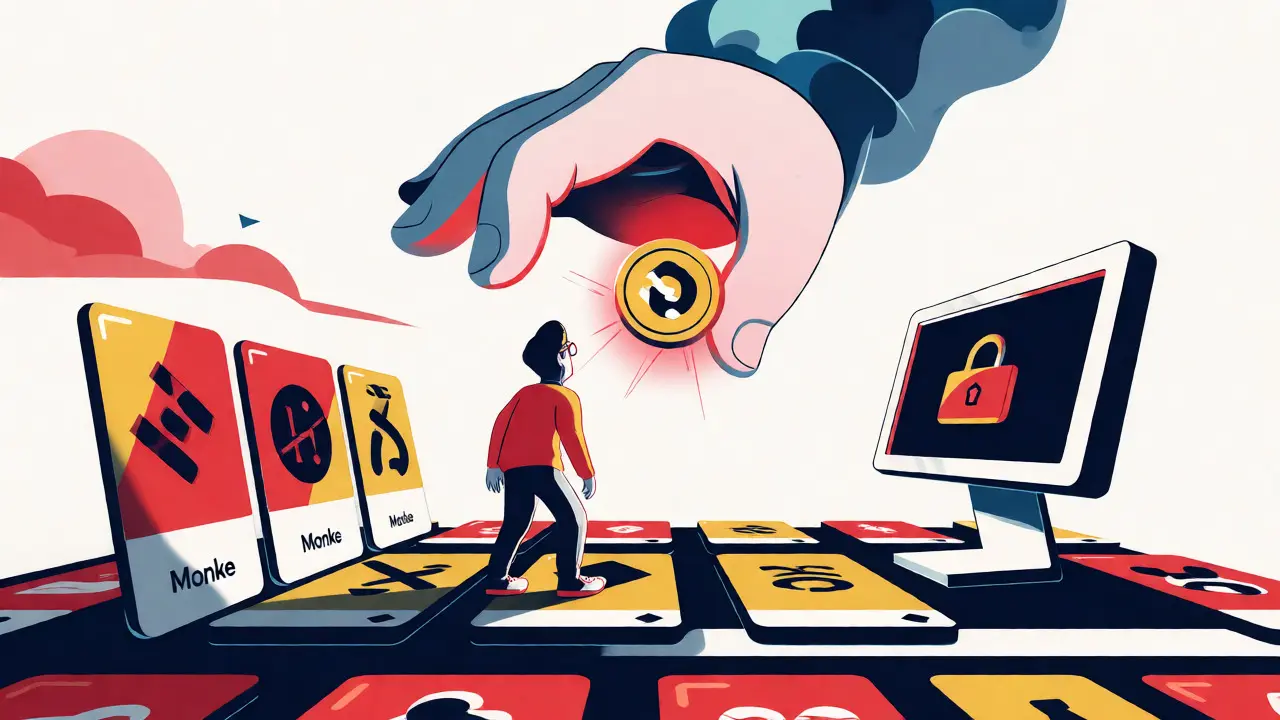
Without a whitepaper update or an official tweet from the RACA core team confirming the exact allocation, speculation runs high. However, historical patterns give us clues. RACA has previously rewarded users for holding specific NFT collections, such as the Monke series, or for participating in their Metaverse land sales. If this airdrop follows suit, eligibility won’t just be about holding RACA tokens-it will likely be about on-chain activity within their specific ecosystem.
How RACA Typically Structures Airdrops
To predict what the Cambridge drop might look like, we have to look at the past. RACA isn’t known for simple "send me your ETH address" giveaways. Their distributions are usually gamified. Let’s break down the common attributes of their previous campaigns using an Entity-Attribute-Value approach.
| Feature | Standard ERC-20 Airdrop | Radio Caca (RACA) Style Drop |
|---|---|---|
| Eligibility Basis | Token balance at snapshot | NFT holdings + On-chain interaction |
| Claim Mechanism | Direct transfer to wallet | Claim via dApp portal or game interface |
| Vesting Schedule | Often immediate or linear unlock | Frequently locked until specific game milestones |
| Verification | Wallet address only | Wallet + Social media verification (Discord/Twitter) |
This table highlights a critical point: If you are waiting for tokens to magically appear in your wallet, you might be disappointed. RACA drops often require action. You might need to log into the RACA app, connect your wallet, and sign a transaction. If the Cambridge initiative involves educational partnerships, there could even be a quiz component-proving you understand the technology before claiming.
Step-by-Step Guide to Checking Your Eligibility
Since concrete details are thin, you need to take proactive steps. Don’t wait for someone else to tell you what happened. Here is a checklist to verify your status for any potential RACA-related distribution.
- Audit Your Wallet History: Go to the official RACA explorer or a block explorer supporting the RACA chain. Look for interactions with smart contracts related to "Education," "Partnership," or specifically "Cambridge." Did you mint an NFT linked to a university event?
- Check Discord Announcements: The Radio Caca Discord is the source of truth. Search for keywords like "Cambridge," "University," or "Grant." Community managers often drop hints weeks before official announcements.
- Verify Token Holdings: Ensure you hold the correct asset. Some drops reward holders of RACA (the utility token), while others target CACA (the governance token) or specific NFT collections. Holding the wrong asset means zero eligibility.
- Look for Snapshot Dates: Even if the claim date is far off, the snapshot date is usually earlier. If you bought RACA after the snapshot, you’re out. Check historical price charts for volume spikes, which often correlate with announcement dates.
The Risk of Fake Airdrops
When information is vague, scammers thrive. Because the "RACA × Cambridge" narrative lacks a single, dominant news source, phishing sites pop up like mushrooms after rain. They promise free tokens if you just "connect your wallet." Be careful.
A legitimate airdrop never asks for your private key or seed phrase. Ever. If a site asks you to sign a transaction that says "Approve Unlimited Allowance" for an unknown contract, read the fine print. Malicious contracts can drain your RACA, ETH, or USDC balances instantly. Always verify the contract address against official sources listed on the RACA website or verified social media accounts.
Furthermore, beware of "gas fee" scams. Legitimate airdrops sometimes require a small gas fee to claim, but they rarely ask for upfront payments in a different currency to "reserve" your spot. If someone asks you to send $50 in ETH to claim a $500 RACA drop, it’s almost certainly a scam.

What If There Is No Official Drop?
It’s possible that "Cambridge" refers to a minor collaboration that didn’t warrant a global press release, or perhaps it’s a rumor that got blown out of proportion. In the crypto world, rumors move faster than facts. If no official claim page appears by late 2026, consider these alternatives:
- Staking Rewards: Instead of hunting for a one-time drop, stake your RACA tokens. The APY fluctuates, but consistent staking often yields better long-term returns than sporadic airdrops.
- Metaverse Land Ownership: Owning virtual land in the RACA Metaverse often grants passive income or exclusive access to future drops. This is a more tangible way to benefit from ecosystem growth.
- Community Grants: Keep an eye on developer grants. If you’re a builder, applying for a grant through RACA’s ecosystem fund might yield more tokens than a standard user airdrop.
Final Thoughts on Navigating Uncertainty
The lack of clear data on the RACA × Cambridge airdrop isn’t necessarily bad news-it just means the market is inefficient. Those who stay active in the community, verify their on-chain footprint, and protect their wallets from scams will come out ahead. Whether this turns out to be a major distribution or a niche perk for a few hundred users, the principles remain the same: verify, don’t trust, and keep your keys safe.
Is the RACA Cambridge airdrop confirmed?
As of October 2026, there is no widely publicized, major official confirmation of a standalone "Cambridge" airdrop from the main RACA core team in top-tier financial news outlets. It may refer to a smaller, community-specific event or a partnership detail that hasn't reached mass adoption. Always check the official RACA Discord and Twitter for real-time updates.
Do I need to hold RACA tokens to qualify?
Usually, yes. Most RACA ecosystem rewards are tied to holding either the RACA token or specific NFT collections like Monkes. However, some educational partnerships might reward participation rather than pure holding. Check the specific criteria if a claim portal opens.
Where do I claim my RACA airdrop?
Claims typically happen through the official RACA dApp or the Metaverse platform. Avoid third-party aggregator sites unless they are officially partnered. Always use the links provided on the official radio.caca website to avoid phishing sites.
What is the difference between RACA and CACA?
RACA is the primary utility token used for transactions and services within the ecosystem. CACA is the governance token, allowing holders to vote on proposals. Airdrops may target one or both, so ensure you know which token is being distributed.
Can I lose money claiming an airdrop?
You shouldn't lose principal capital, but you will pay network gas fees to claim. Additionally, if the token value crashes post-airdrop due to selling pressure, your net gain might be lower than expected. Never pay "upfront fees" to claim a free airdrop.