You might have heard the name "Oasis" and assumed it was another centralized exchange like Binance or Coinbase. It isn't. If you are looking for a platform to deposit fiat currency and trade with customer support on call, Oasis is not that place. Instead, Oasis Network is a Layer 1 privacy-first blockchain infrastructure designed for decentralized finance (DeFi) and data tokenization. This distinction matters because your experience using Oasis will look nothing like trading on a traditional exchange.
As we move through 2026, the crypto landscape has shifted heavily toward utility and privacy. Users aren't just buying tokens; they are interacting with complex financial instruments that require confidentiality. Oasis addresses this by separating consensus from computation, allowing for high-speed transactions without sacrificing security. In this review, I’ll break down what Oasis actually does, how the ROSE token works, and why its unique architecture makes it a standout player in the Web3 space.
What Is Oasis Network?
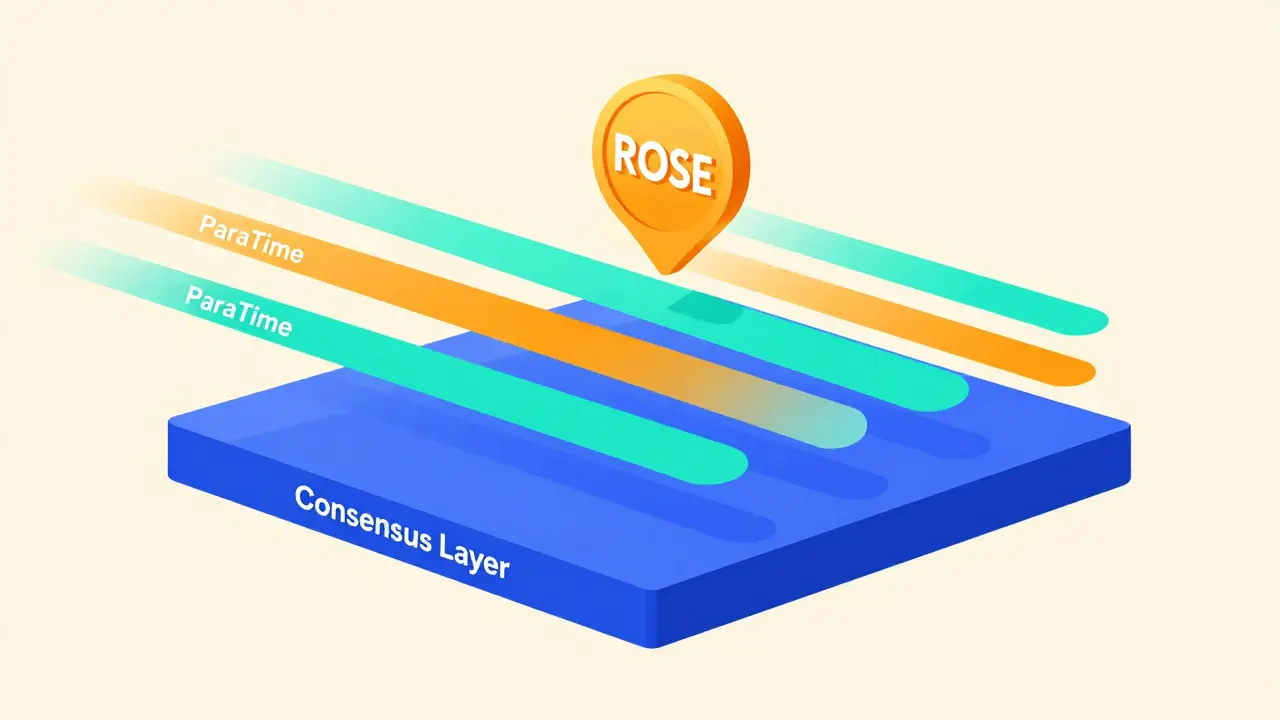
To understand Oasis, you need to forget the standard model of blockchains where every node processes every transaction. That approach creates bottlenecks. Oasis solves this with a dual-layer architecture. The first layer is the Consensus Layer. This handles the Proof of Stake (PoS) mechanism, securing the network and agreeing on the order of transactions. It’s fast, secure, and energy-efficient.
The second layer is where things get interesting: the ParaTime Layer. Think of ParaTimes as parallel runtimes or separate lanes on a highway. Each lane can process different types of traffic independently. One ParaTime might handle simple swaps, while another runs complex smart contracts requiring heavy computation. Because they run in parallel, a slow, complex task doesn’t clog up the entire network. This modularity means developers can build specific environments tailored to their needs, whether that’s for gaming, DeFi, or private data storage.
The ROSE Token: Utility and Economics
Every blockchain needs fuel, and for Oasis, that fuel is the ROSE token. ROSE isn’t just a speculative asset; it serves critical functions within the ecosystem. First, it pays for transaction fees. Second, it secures the network through staking. Validators must stake ROSE to participate in the consensus process, and users can delegate their tokens to these validators to earn rewards.
The supply dynamics of ROSE are important for investors to understand. There is a hard cap of 10 billion coins. This fixed supply introduces scarcity, which historically supports value retention when demand increases. As of mid-2025, ROSE maintained a strong position in the market, driven by increased adoption of its privacy features. However, like all crypto assets, its price fluctuates based on broader market conditions and network activity. Staking yields vary, but they generally reflect the health and usage of the network.
Emerald ParaTime and Trading Infrastructure
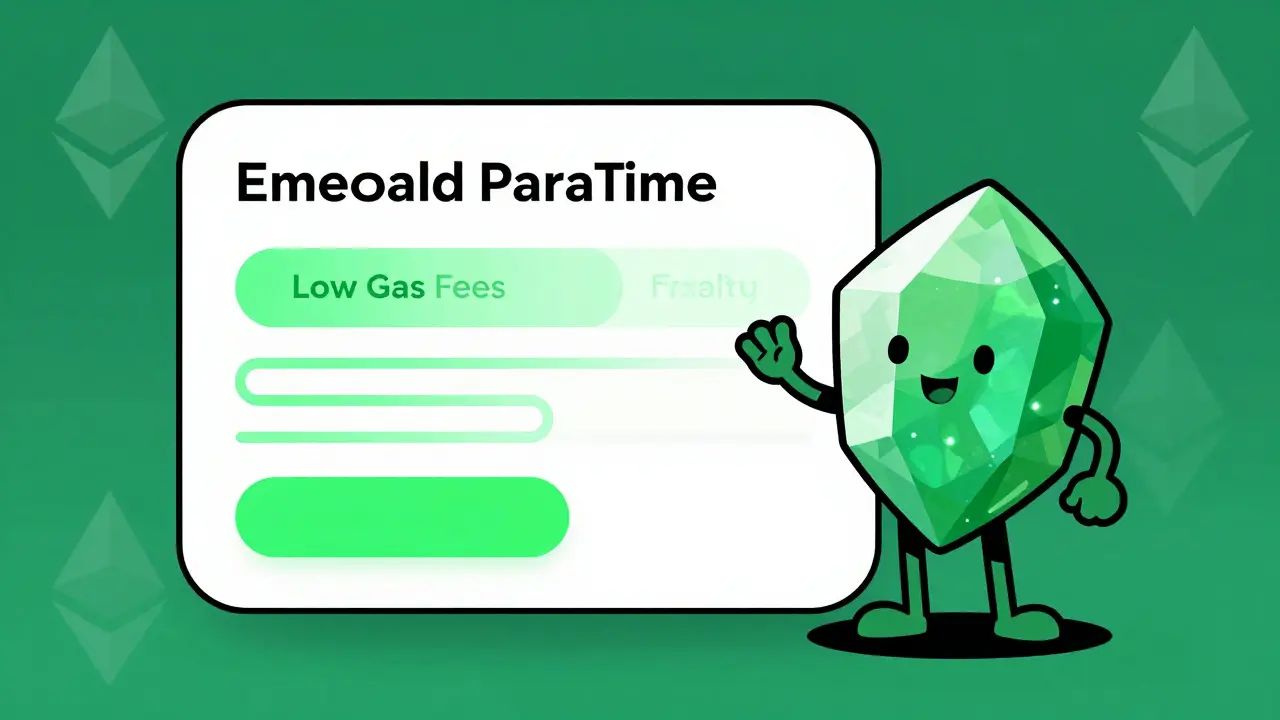
If you want to trade on Oasis, you’re likely looking at the Emerald ParaTime. Emerald is an EVM-compatible environment, meaning it speaks the same language as Ethereum. Developers who know Solidity can deploy dApps here with minimal changes. For traders, this compatibility opens the door to familiar tools and interfaces.
The primary decentralized exchange (DEX) on Emerald is YuzuSwap. YuzuSwap leverages Emerald’s low gas fees and instant finality. Unlike Ethereum mainnet, where a swap might cost $10 in fees during congestion, YuzuSwap keeps costs negligible. It supports liquidity pools, token swaps, and governance via its native YUZU token. When you provide liquidity, you earn a share of the transaction fees. The platform also introduced an innovative airdrop mechanism early on, distributing 50,000 YUZU tokens to celebrate its launch, incentivizing early community participation.
| Feature | Oasis Emerald | Ethereum Mainnet |
|---|---|---|
| Transaction Speed | Instant Finality | Variable (often slower) |
| Gas Fees | Very Low | High during congestion |
| Privacy | Built-in Confidential Compute | Limited (requires ZK-proofs) |
| Compatibility | EVM Compatible | Native EVM |
| Primary Use Case | Privacy-focused DeFi | General Smart Contracts |
Privacy and Confidential Computing
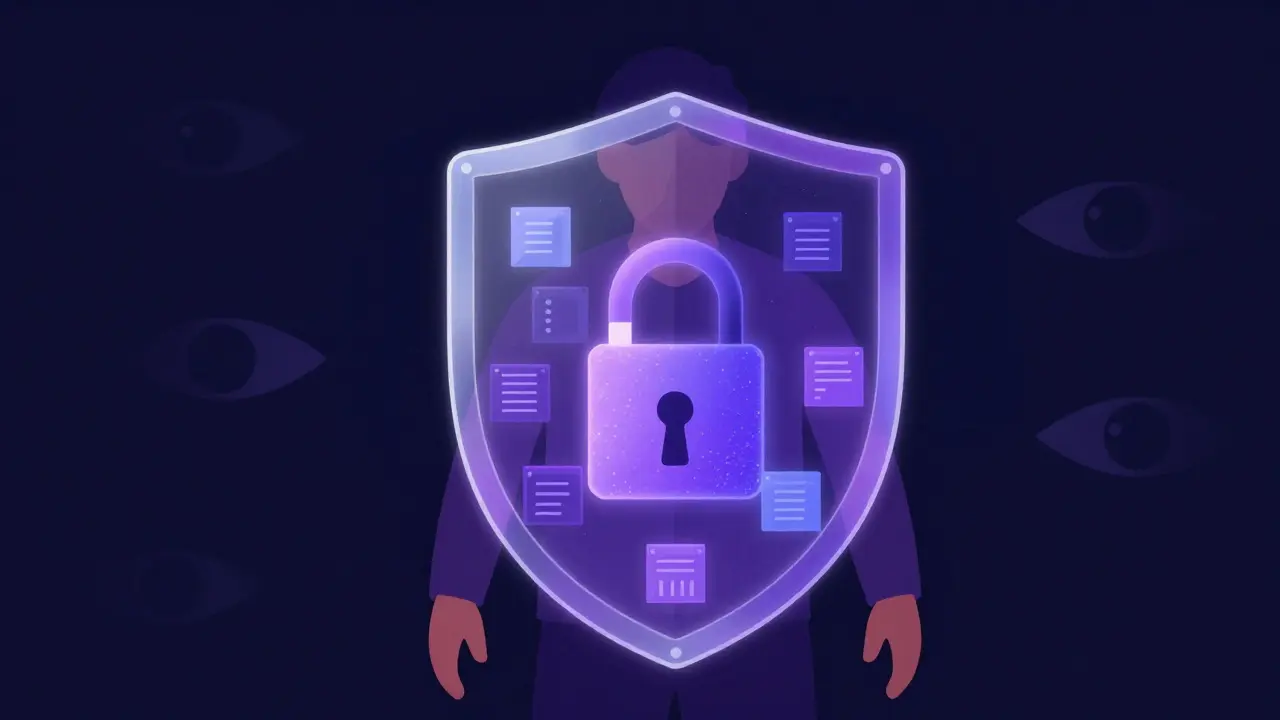
This is Oasis’s killer feature. Most blockchains are transparent by design. Everyone can see your balance and transaction history. While transparency has merits, it’s a dealbreaker for institutional finance and healthcare. Oasis introduces confidential computing. It allows smart contracts to execute on encrypted data. The code runs, but the inputs and outputs remain hidden from prying eyes, including the nodes processing the transaction.
Why does this matter? Imagine a hospital wanting to train an AI model on patient data without exposing individual records. Or a hedge fund wanting to execute a large trade without signaling the market. Oasis enables these scenarios. By keeping data private until the result is needed, it unlocks new use cases for DeFi, such as undercollateralized loans where creditworthiness is verified privately rather than publicly.
Tokenized Data: A New Economic Model
Oasis isn’t just about trading tokens; it’s about trading data. The network promotes a concept called "Tokenized Data." In traditional models, tech giants harvest your data and sell ads. On Oasis, you can tokenize your own data. You stake this data into the network, and if other applications need access to that anonymized dataset, they pay you. You earn passive income from your digital footprint. This shifts the power dynamic back to the user, creating a true data economy.
Security and Wallet Integration
How do you interact with Oasis securely? The Oasis Web Wallet is the non-custodial solution provided by the team. It’s a browser extension for Chrome that lets you store ROSE and manage your assets. Crucially, it integrates with hardware wallets like Ledger Nano. Using a Ledger device ensures your private keys never touch the internet, providing a robust defense against malware and phishing attacks. For most users, combining the Oasis Web Wallet interface with a Ledger backend offers the best balance of usability and security.
Who Is Oasis Network For?
Oasis isn’t for everyone. If you want to buy Bitcoin with a credit card and hold it for retirement, stick with regulated exchanges. Oasis is for:
- DeFi Enthusiasts: Those who want low-cost trading and yield farming on YuzuSwap.
- Developers: Builders needing scalable, privacy-preserving infrastructure for dApps.
- Institutions: Healthcare providers and financial firms requiring confidential data handling.
- Privacy Advocates: Users tired of public ledgers exposing their financial lives.
The learning curve is moderate. You need to understand self-custody, wallet management, and potentially bridging assets from other chains. But once set up, the experience is smooth thanks to the high throughput of the ParaTime layers.
Is Oasis Network a centralized exchange?
No. Oasis Network is a decentralized blockchain infrastructure. It does not hold your funds or act as a broker. Trading happens on decentralized exchanges like YuzuSwap, where you retain control of your assets via your wallet.
What is the maximum supply of ROSE?
The total supply of ROSE is capped at 10 billion tokens. This fixed supply helps prevent inflationary pressure over time.
Can I use MetaMask on Oasis?
Yes, because the Emerald ParaTime is EVM-compatible. You can add Oasis Emerald as a custom network in MetaMask to interact with dApps like YuzuSwap.
How does Oasis ensure privacy?
Oasis uses confidential computing technology. Smart contracts run on encrypted data, ensuring that transaction details remain private even from the network validators processing them.
Is staking ROSE safe?
Staking is generally safe as it secures the PoS network. However, you should delegate to reputable validators to minimize slashing risks. Using hardware wallets like Ledger adds an extra layer of security for your staked assets.
What is YuzuSwap?
YuzuSwap is the leading Decentralized Exchange (DEX) on the Oasis Emerald chain. It allows users to swap tokens, provide liquidity, and earn rewards with low fees and fast transaction times.
Does Oasis support NFTs?
Yes. The modular architecture of Oasis supports various Web3 applications, including NFTs, GameFi, and Metaverse projects, thanks to its scalable ParaTime layers.