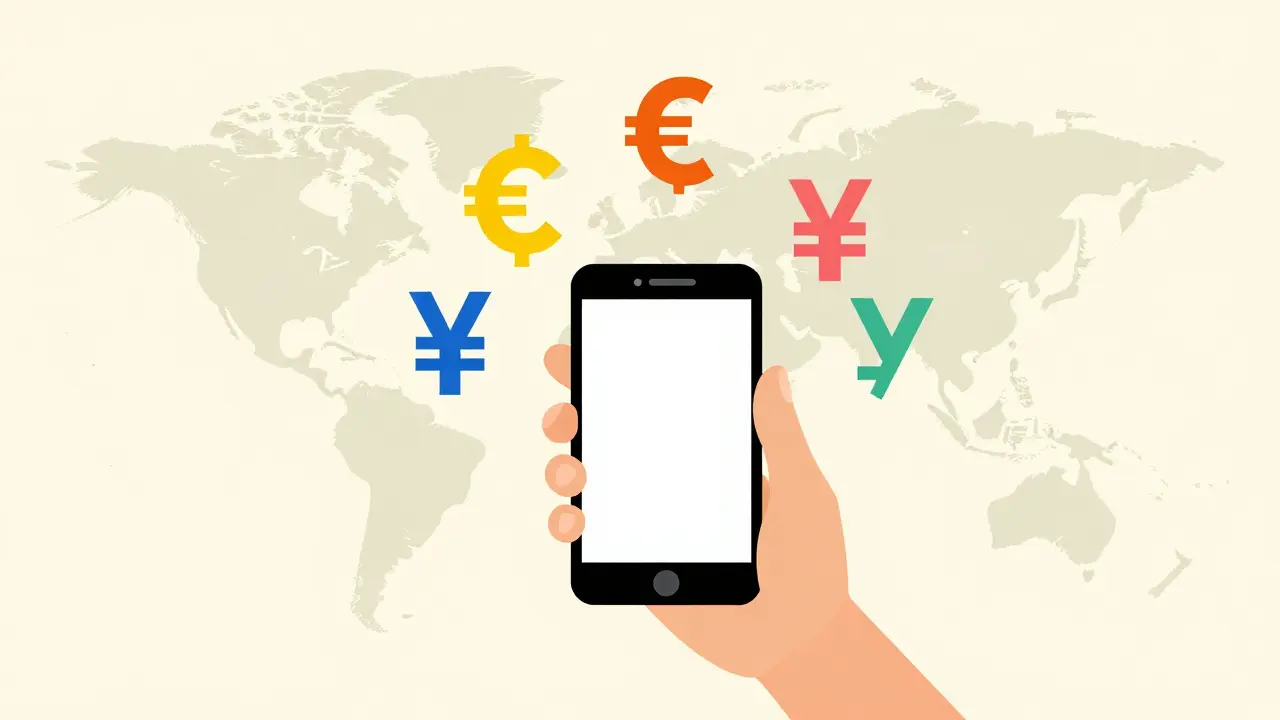
Quick Summary
- Cost Savings: Typically reduces conversion fees by 0.5% to 2.5% compared to traditional banks.
- Speed: International transfers move in seconds to minutes, rather than the 3-5 days seen with SWIFT.
- Management: Simplifies accounting by consolidating various currencies into one dashboard.
- Risk Factors: Potential for funds to be frozen during compliance checks and limited support for rare currencies.
- Best For: SMEs with 10+ monthly cross-border payments and frequent international travelers.
The Bright Side: Why Use a Multi-Currency Wallet?
If you've ever checked your bank statement after an international trip, you know the sting of "hidden" exchange rates. Traditional banks often tack on a margin of 2.5% to 4.5% on top of the mid-market rate. In contrast, Wise and Airwallex usually operate with margins between 0.35% and 0.65%. To put that in perspective, on a $100,000 business transaction, you could save between $2,500 and $4,500 just by switching your tool. Beyond the money, there is the massive benefit of time. The old-school SWIFT network is slow, often taking 72 hours to settle a payment. Modern multi-currency wallets have slashed this. Domestic transfers now happen in 1-5 seconds, and international ones usually wrap up in under 30 seconds. For a business, this means better cash flow and happier suppliers. Another huge win is the "local account details" feature. Instead of giving a client a complex IBAN and a series of intermediary bank codes, you can give them a local account number in their own currency. This makes you look like a local business and removes the friction for the person paying you.The Downside: Risks and Limitations
It's not all seamless. The biggest headache users report is the "compliance freeze." Because these platforms operate across different legal jurisdictions, they use aggressive automated flagging systems. There are documented cases of users having thousands of dollars frozen for weeks during routine checks. If your entire operational budget is in one wallet and it gets locked, your business grinds to a halt. Then there's the "long tail" of currencies. While these wallets are great for the USD, EUR, and GBP, they struggle with emerging markets. Only about 15-20% of providers support less common currencies like the Cambodian Riel or Ugandan Shilling. If you're doing business in very specific niche markets, you might still be stuck with a traditional bank. For those looking for blockchain integration, the support is still patchy. Only about 30% of these wallets actually integrate cryptocurrency assets. If you need a hybrid tool that handles both the Digital Euro and Bitcoin flawlessly, you'll find the options are more limited than you'd expect in 2026.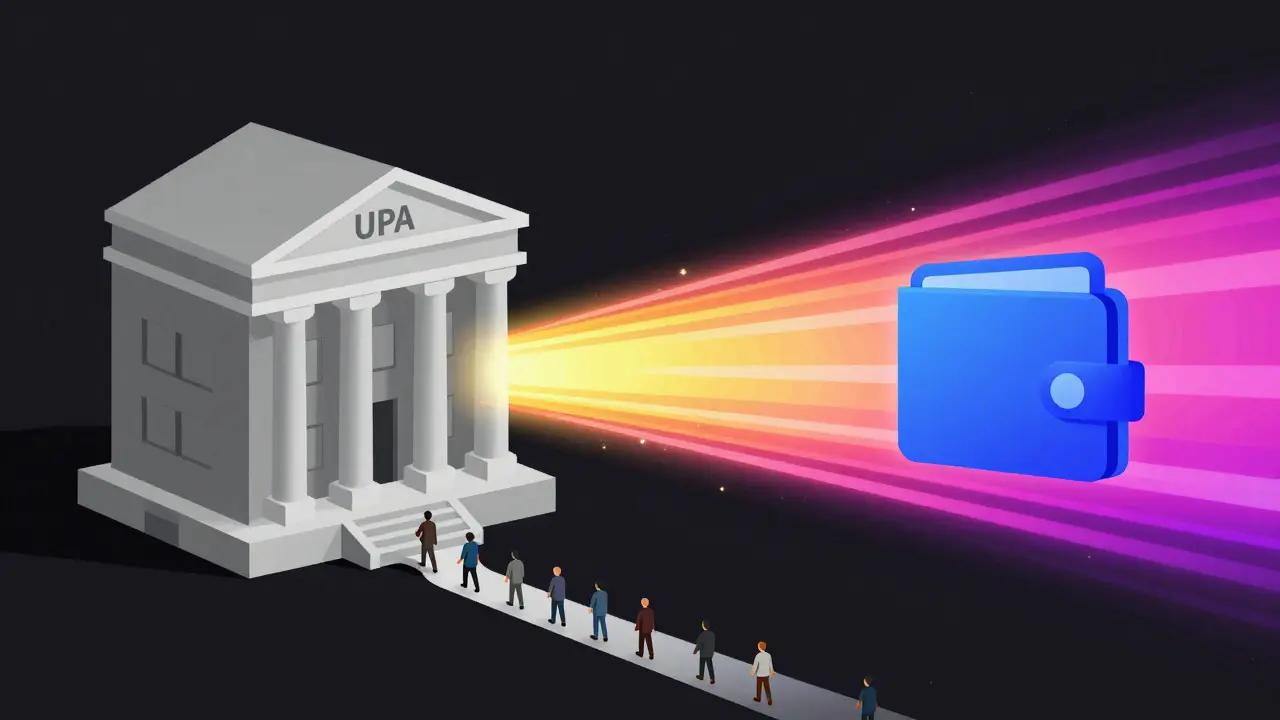
Comparison: Multi-Currency Wallets vs. Traditional Banks
| Feature | Multi-Currency Wallet | Traditional Bank | Single-Currency Wallet |
|---|---|---|---|
| FX Margins | 0.35% - 0.65% | 2.5% - 4.5% | N/A (Fixed) |
| Transfer Speed | Near-Instant | 3-5 Business Days | Instant (Same Currency) |
| Setup Time | 1-3 Days | 1-2 Weeks | Minutes |
| Global Reach | 40-60 Currencies | Limited/Separate Accounts | 1 Currency |
| Security | AES-256 / PCI DSS | Bank Grade / Institutional | Variable |
Who Should Actually Use These?
Not everyone needs a multi-currency setup. If you only travel once a year or buy a few things from overseas websites, the effort of setting up a new account might not be worth it. However, certain profiles gain immense value:- The International Freelancer: If you're getting paid in USD but living in Spain, a wallet lets you hold the USD and convert it only when the rate is favorable, rather than letting the bank take a cut on every single deposit.
- The Scaling SME: Small businesses processing 10 or more cross-border payments a month can reduce their reconciliation time from 20 hours a week down to about 5 hours by using a single dashboard.
- The Digital Nomad: Moving between countries every few months means you need a tool that handles local spending without charging a 3% "foreign transaction fee" on every coffee you buy.

Technical Side: Security and Integrations
Security is the number one concern when you aren't using a legacy bank. Most top-tier wallets use AES-256 encryption and require two-factor authentication (2FA). They also adhere to PCI DSS Level 1 compliance, which is the gold standard for payment security. For businesses, the real power is in the RESTful API. You can connect your wallet directly to accounting software like QuickBooks or Xero. This means every time a payment hits your wallet in Yen, it's automatically logged in your books in your home currency. Most companies can get this integrated in about 2 to 5 business days.Looking Ahead: The Future of Global Money
We are moving toward a world where the concept of a "foreign currency" feels obsolete. With the introduction of Central Bank Digital Currencies (CBDCs), like the digital Euro, settlement times are dropping even further. Some pilots are already showing transaction speeds of under 2 seconds using blockchain-based settlement layers. By 2027, we expect to see the ISO 20022 messaging standard become the norm. This is a fancy way of saying that payments will carry more data, reducing the number of "failed" transfers because the bank will have a much clearer picture of who is paying whom and why.Are multi-currency wallets safe for large sums of money?
Most leading platforms use AES-256 encryption and PCI DSS Level 1 compliance, making them technically secure. However, unlike traditional banks, not all wallets are covered by national deposit insurance (like FDIC in the US). For very large sums, it is smarter to diversify across a few different providers rather than keeping everything in one place.
How do they make money if the fees are so low?
Most platforms charge a small, transparent percentage fee on the exchange rate or a flat fee for specific services like physical card issuance. Some also earn interest on the aggregate balances held in their system, allowing them to keep user fees competitive.
Can I use a multi-currency wallet to invest in Forex?
While you can hold different currencies and swap them when rates change, these are primarily payment tools, not trading platforms. They lack the advanced leverage and charting tools you would find in a dedicated Forex trading account.
What happens if my account gets frozen for compliance?
This usually happens during a "Know Your Customer" (KYC) refresh. You'll be asked to provide updated proof of address or source of funds. The best way to avoid long delays is to keep your documentation updated and respond to support requests within 24 hours.
Do these wallets work with cryptocurrency?
It depends on the provider. Roughly 30% of multi-currency wallets now offer crypto integration. Some allow you to hold stablecoins like USDC alongside fiat, while others focus purely on government-issued currencies.
Next Steps and Troubleshooting
If you're ready to set one up, start by listing every currency you actually use in a month. If you only use two, a simple low-fee card might be enough. If you use five or more, go for a full-scale wallet.For Individuals: Focus on mobile app usability and transparent fee schedules. Check if the provider offers a physical debit card for travel.
For Business Owners: Prioritize API integrations with your accounting software. Don't put 100% of your operational capital in a fintech wallet; keep a secondary traditional bank account for emergency liquidity in case of a compliance hold.
Troubleshooting Tip: If you experience a payment delay, check if the sender used a compatible network. A common mistake is sending a payment via a network the wallet doesn't support, which can lead to funds being stuck in limbo for weeks.
6 Comments
The sheer audacity of believing that a digital interface can truly dismantle the ancestral walls of banking is a delicious irony. We're basically just swapping one set of invisible chains for another, only these ones have a slicker UI and slightly better exchange rates. It's a kaleidoscopic dance of fiat illusions where we pretend we're "global citizens" while actually just being data points in a RESTful API. I love the idea of "instant" transfers because it feeds the dopamine loop of modern capitalism, making us feel like we're conquering time itself. In reality, we're just speeding up the rate at which we shuffle digital tokens from one vault to another without ever touching a physical coin. The compliance freeze is the real punchline here, a sudden reminder that you're merely a tenant in someone else's ledger. Still, I'll keep using them because the convenience is a siren song I'm too lazy to resist. It's a fascinating psychological experiment in trust. We trust a cloud-based entity with our life savings because the app is blue and the onboarding took three minutes. Truly, the peak of human evolution is deciding which fintech brand has the least offensive logo while our money floats in a jurisdictional void. Cheers to the brave souls putting their entire operational budget into a glorified spreadsheet!
This is just a way for the elites to track every single cent you move across borders. They want a digital paper trail of everything so they can freeze your life whenever you stop following the script. These "compliance checks" are actually just social credit tests in disguise and they're using these wallets to map out who is actually independent. Don't trust any app that wants your ID and a selfie just to move your own money.
imagine thinking a 0.5% fee is a victory while the whole system is bleeding us dry anyway... honestly it's just sad how people celebrate being slightly less robbed 🙄
such a vibrant way to look at modern finance! definitely makes the world feel like a smaller place when you can just swap currencies with a tap on a screen
It's all about finding the right balance for your own peace of mind. If the fear of a freeze is too much, keeping a traditional backup is a really smart move to stay grounded.
sounds helpful