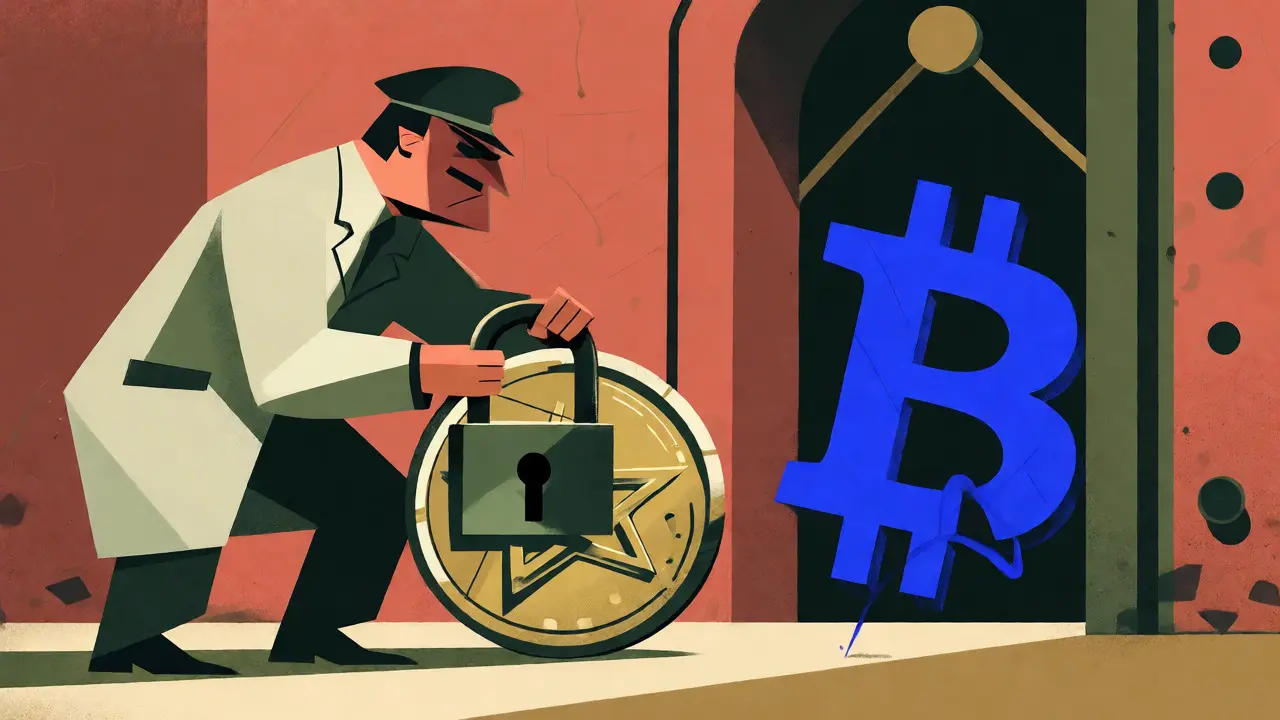
Imagine buying a cup of coffee in Casablanca with Bitcoin and getting hit with a fine equivalent to your monthly salary. For years, that wasn't just a hypothetical; it was the reality for anyone touching digital assets in Morocco. The country’s relationship with cryptocurrency has been defined by one specific legal hurdle: foreign exchange regulations. Because the Moroccan dirham is not fully convertible, every movement of value across borders is strictly monitored by the state. When you trade crypto, you are essentially bypassing these official channels, which authorities have historically viewed as a violation of monetary sovereignty.
But here is the twist: everything changed recently. As of late 2025, Morocco isn't just banning crypto anymore-it's regulating it. If you are an investor, a trader, or a business owner looking at the North African market, understanding the shift from total prohibition to supervised licensing is critical. You need to know what counts as a violation today versus yesterday, because the fines haven't gone away-they've just become more targeted.
The Core Problem: Why Crypto Clashes with Moroccan Forex Laws
To understand the risk, you have to look at how money works in Morocco. The Office des Changes (Foreign Exchange Office) controls all cross-border transactions. Their job is to protect the country's foreign currency reserves. When you buy Bitcoin on an international platform using a Moroccan bank card, you are technically engaging in an unauthorized capital outflow. You are taking local currency, converting it to a digital asset hosted on servers abroad, and potentially moving value outside the regulated banking system without reporting it.
This creates a semantic conflict between traditional finance and decentralized technology. Traditional forex laws rely on intermediaries like banks to report transactions. Crypto relies on peer-to-peer networks. In Morocco, the absence of a licensed intermediary meant every transaction was suspect. This wasn't just about hating new tech; it was about maintaining control over the flow of dollars and euros into and out of the kingdom.
From Ban to Regulation: The 2024-2025 Shift
For seven years, from November 2017 to early 2024, Bank Al-Maghrib (the central bank) maintained a strict ban on all cryptocurrency activities. They warned that digital assets were speculative, volatile, and used for money laundering. But the global landscape shifted. By 2024, Governor Abdellatif Jouahri signaled a major pivot. He announced that a draft law was ready to legalize and regulate crypto, marking the end of the blanket prohibition era.
This new framework doesn't mean anything goes. It means you can now trade, but only through approved channels. The government realized that pushing crypto underground made it harder to monitor than bringing it into the light. Now, platforms must obtain a license from Bank Al-Maghrib. Without this license, operating a crypto exchange in Morocco is still a serious offense. The goal is clear: allow innovation while keeping a tight leash on foreign exchange flows.
What Counts as a Foreign Exchange Violation Today?
Even with the new regulations, several actions remain illegal or highly restricted. Understanding these boundaries is essential to avoiding heavy fines.
- Unlicensed Trading: Using offshore exchanges that do not hold a Moroccan license is risky. While enforcement against individual users has softened, businesses facilitating these trades face scrutiny.
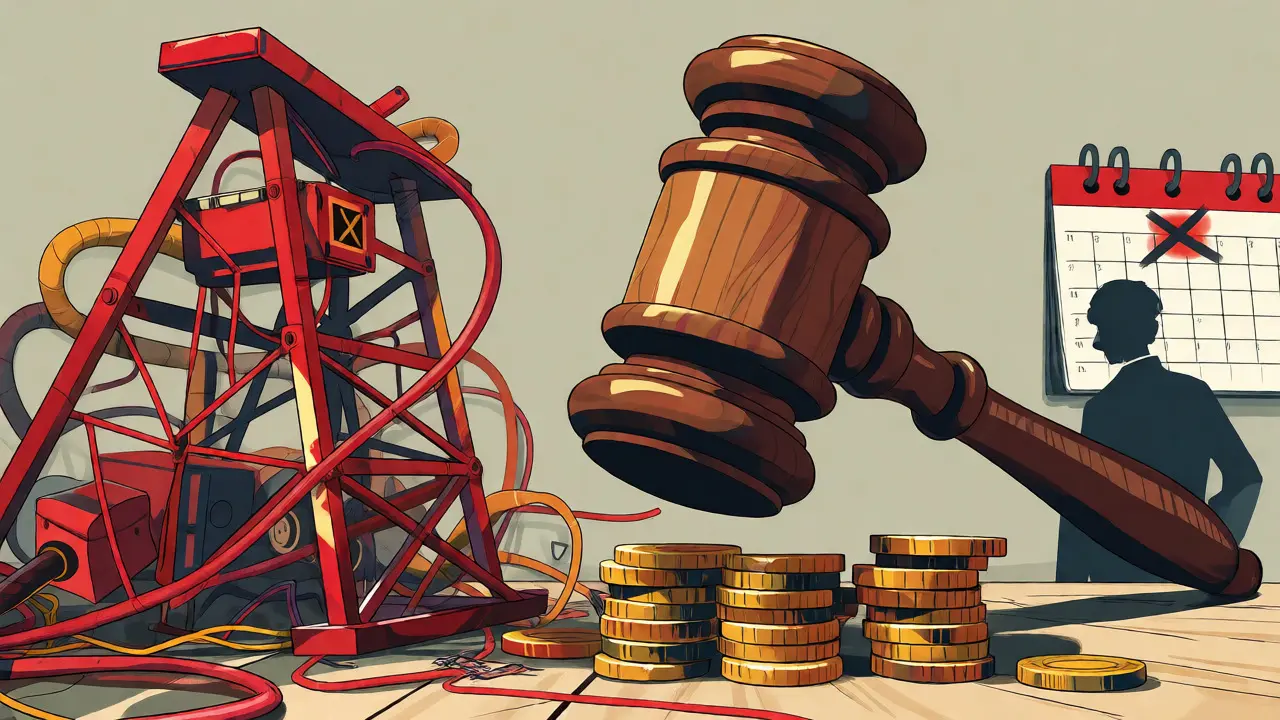
- Crypto Mining: This remains completely illegal. The government argues that mining consumes significant electricity (often subsidized) and involves equipment imports that complicate forex tracking. If you run a mining rig in your garage, you are violating energy and forex regulations simultaneously.
- Commercial Payments: You cannot use Bitcoin to pay for goods or services domestically. The dirham is the sole legal tender. Accepting crypto as payment for a service violates the rules governing domestic settlements.
- International Settlements: Businesses cannot settle cross-border invoices directly in stablecoins or other cryptocurrencies without specific regulatory approval. Traditional banking channels remain mandatory for most B2B international trade.

Penalties: The Cost of Getting It Wrong
The financial stakes are high. Authorities haven't relaxed their grip on penalties, even as they open up the market. The severity depends on whether you are an individual or a corporation.
| Violator Type | Fine Range (MAD) | Approx. USD Value | Additional Risks |
|---|---|---|---|
| Individual User | 20,000 - 100,000 | $2,000 - $10,000 | Account freezes, tax audits |
| Corporate Entity | Up to 500,000 | ~$50,000 | Licence revocation, criminal proceedings |
| Repeat Offender | Escalated Fines | N/A | Potential imprisonment under financial laws |
These numbers aren't theoretical. Banks actively monitor large transfers to known crypto exchanges. If your pattern looks suspicious-like frequent small withdrawals to Binance followed by irregular deposits-you might trigger an automated review. And once reviewed, you have to prove the source of funds.
The Rise of the E-Dirham: A State-Controlled Alternative
While private crypto faces hurdles, the state is building its own version. The e-Dirham is Morocco's Central Bank Digital Currency (CBDC). It’s currently in pilot phases, collaborating with the World Bank and Egypt’s central bank. The e-Dirham aims to solve the very problems crypto highlights: speed and cost of cross-border transfers. However, unlike Bitcoin, the e-Dirham is centralized. The government sees it as a way to modernize payments without losing control over monetary policy.
For many Moroccans, the e-Dirham represents the "safe" path. It offers digital convenience without the regulatory ambiguity of private tokens. If you are hesitant about the legal risks of holding Bitcoin, watching the e-Dirham rollout is a smart move. It could eventually integrate with existing banking apps, making digital payments mainstream without the forex headaches.
Compliance Checklist for Investors and Businesses
If you want to stay on the right side of the law in Morocco's evolving crypto scene, follow these steps:
- Verify Platform Licensing: Only use exchanges that explicitly state they are licensed by Bank Al-Maghrib. If a platform doesn't mention this, assume it's unregulated.
- Implement KYC Procedures: Ensure your identity verification is complete and up-to-date. Anti-Money Laundering (AML) checks are rigorous.
- Report Profits: Capital gains from crypto sales are subject to a 15% tax. Keep detailed records of every buy and sell price in Dirhams to calculate this accurately.
- Avoid Mining: Do not invest in hardware for mining within Morocco. The return on investment rarely justifies the legal risk given the current ban.
- Monitor Regulatory Updates: The framework is new. Rules may tighten or loosen quarterly. Follow announcements from the Moroccan Capital Market Authority (AMMC).
Regional Context: How Morocco Compares
Morocco's cautious approach contrasts with neighbors and competitors. Countries like Kazakhstan have embraced mining due to cheap energy, while others in North Africa are still debating bans. Morocco’s strategy is unique: it seeks to harness blockchain technology without surrendering monetary sovereignty. This makes it a test case for developing economies. If successful, other nations might follow suit, creating a new standard for regulated crypto markets in emerging economies.
Frequently Asked Questions
Is Bitcoin completely banned in Morocco in 2026?
No, it is no longer completely banned. Since the regulatory shifts in 2024-2025, trading is permitted through licensed platforms. However, using crypto for direct commercial payments or mining remains prohibited.
Can I buy crypto with my Moroccan bank account?
Yes, but only through platforms authorized by Bank Al-Maghrib. Transfers to unlicensed international exchanges may be flagged by your bank and could result in blocked transactions or requests for proof of purpose.
What is the penalty for illegal crypto mining in Morocco?
Mining remains illegal. Violators face fines similar to other forex violations, ranging from MAD 20,000 to MAD 100,000 for individuals, plus potential confiscation of equipment and higher penalties for corporate operations.
Do I have to pay taxes on crypto profits in Morocco?
Yes. Profits from cryptocurrency transactions are subject to a 15% capital gains tax. You must report these gains to the Moroccan tax authorities, ensuring you convert values to Dirhams at the time of the transaction.
What is the e-Dirham?
The e-Dirham is Morocco's Central Bank Digital Currency (CBDC). It is a digital version of the national currency issued by Bank Al-Maghrib, designed to improve payment efficiency and reduce cash dependency, distinct from private cryptocurrencies like Bitcoin.