
Everyone wants free money in crypto, but most people miss out because they don't know what to look for. You've probably heard whispers about HyperGraph and its native token, HGT. But here's the kicker: as of late 2026, official details on a massive public distribution are still emerging from the shadows. If you're sitting on your hands waiting for a guaranteed payout like the one Hyperliquid delivered, you might be playing catch-up. This guide cuts through the noise to tell you exactly how to position yourself for any potential HyperGraph airdrop, what signals matter, and how to avoid getting scammed by fake claim sites.
The Current State of HyperGraph and HGT
Let's be real about where things stand today. Unlike established giants that have clear whitepapers and confirmed token generation events, HyperGraph operates in a more experimental zone. The project focuses on leveraging hypergraph data structures to optimize decentralized network performance. Think of it as upgrading the plumbing of the internet so data moves faster and cheaper. The HGT token is expected to serve as the utility asset for this network, handling transaction fees and governance votes.
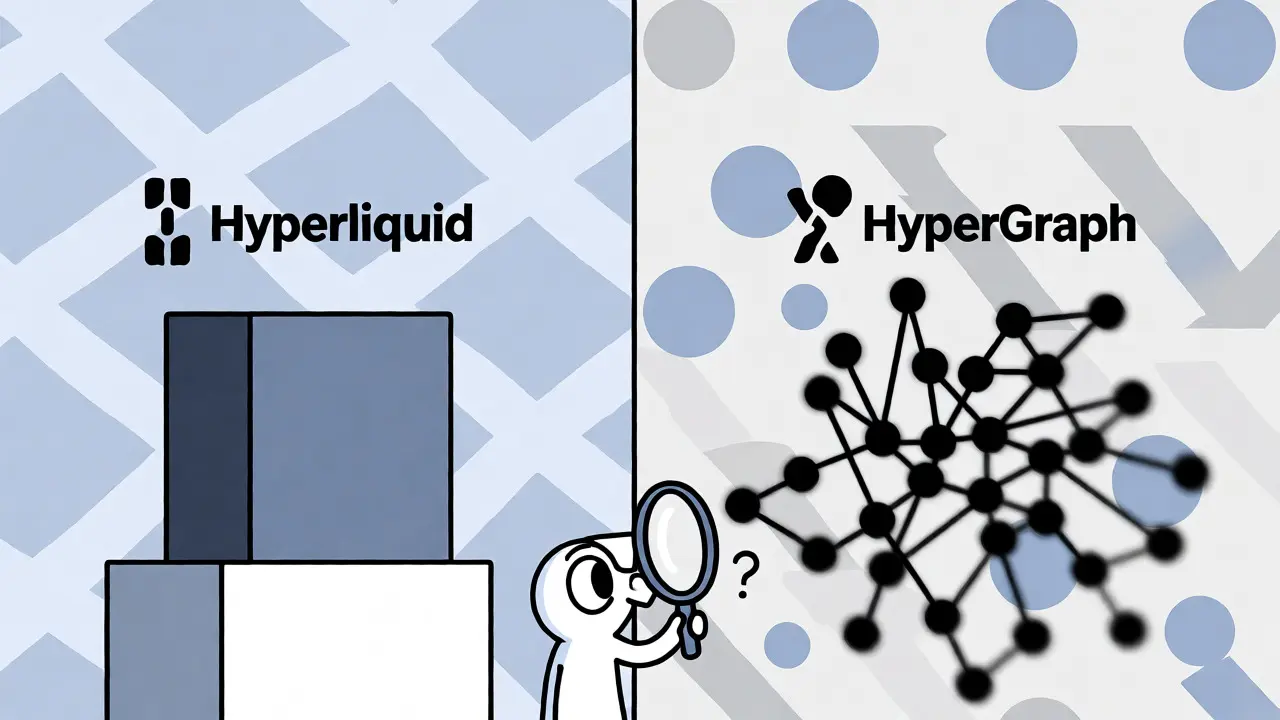
However, confusion reigns supreme. Many users mix up HyperGraph with Hyperliquid, which completed its massive Genesis Event back in November 2024. Hyperliquid distributed 31% of its supply to early points holders, creating a wealth effect that many hope to replicate. But HyperGraph is a distinct entity. It doesn't share the same codebase or team lineage. If you saw news about unclaimed tokens worth millions, that was likely Hyperliquid's community rewards wallet, not HyperGraph. Don't let similar names drain your attention span.
How Airdrop Eligibility Usually Works
Since specific HyperGraph snapshot dates aren't universally pinned down yet, you need to understand the mechanics of how these projects typically decide who gets paid. Most modern airdrops aren't just random giveaways; they reward genuine usage. If you want to qualify for an HGT drop, you need to treat the testnet or mainnet like a job interview.
- On-Chain Activity: Did you swap tokens? Did you bridge assets? High-frequency traders often get overlooked if their volume looks wash-traded. Consistency beats intensity.
- Community Engagement: Projects track Discord roles, Twitter interactions, and forum posts. Being a vocal member helps, but only if you're adding value.
- Early Access Participation: If HyperGraph ran closed betas, did you join? Early testers are almost always prioritized in allocation tiers.
There is no magic formula, but there are heuristics. Wallets with activity spanning multiple months usually score higher than those created the day before a snapshot. Also, holding stablecoins alone rarely qualifies you. You need to interact with smart contracts. If HyperGraph has deployed dApps on chains like Ethereum, Solana, or Arbitrum, interacting with them is your best bet for visibility.
Distinguishing HyperGraph from Lookalikes
The crypto space is littered with copycat projects. Before you start bridging funds, ensure you're tracking the right protocol. Here is a quick breakdown to keep your mental map accurate.
| Feature | HyperGraph (HGT) | Hyperliquid (HYPE) | Generic "Hyper" Tokens |
|---|---|---|---|
| Core Focus | Hypergraph Data Structures & Network Optimization | Decentralized Perpetual Exchange | Various (often meme-based) |
| Airdrop Status (Nov 2026) | Speculative / Ongoing Testing Phases | Completed (Genesis Event Nov 2024) | Varies widely |
| Token Utility | Network Fees & Governance | Staking, Fee Discounts, Liquidity Mining | Speculation / Meme Value |
| Mainnet Status | Emerging / Beta | Live & Mature | Often Unlaunched or Dead |
This table highlights why you shouldn't expect the same immediate liquidity for HGT as you did for HYPE. Hyperliquid had years of trading volume backing its launch. HyperGraph is still proving its technical thesis. That means the risk is higher, but the potential upside for early adopters remains significant if the tech delivers on its speed promises.
Practical Steps to Position Yourself for HGT
If you believe in the HyperGraph vision, don't just wait. Take action now. Since we can't predict the exact snapshot date, assume it could happen at any moment. Here is a checklist to maximize your odds.
- Follow Official Channels Only: Bookmark the official HyperGraph website and their verified X (Twitter) account. Ignore random Telegram groups claiming to have "insider" lists. Scammers thrive on uncertainty.
- Test the Infrastructure: If HyperGraph offers a testnet faucet or a beta dashboard, use it. Send small amounts of ETH or USDC through their bridge. Record the transaction hashes. These are your receipts for eligibility.
- Engage Authentically: Join their Discord. Ask questions about the hypergraph consensus mechanism. Developers notice users who actually read the docs versus those spamming "When moon?"
- Monitor Developer Updates: Look for GitHub commits. Active development usually precedes a token launch announcement. If the repo goes silent for three months, pause your expectations.
One common pitfall is over-interacting with low-quality bots. Some users create ten wallets and run scripts to simulate activity. Advanced analytics tools can detect sybil attacks-where one person pretends to be many-and disqualify all related addresses. Keep your primary wallet clean and human-like.
Beware of Airdrop Scams
Because HyperGraph isn't as famous as Bitcoin or Ethereum, scammers love to exploit the information gap. You will see ads promising "Free HGT Claim Now." Clicking those links is often a trap. They ask you to connect your wallet and sign a malicious transaction that drains your funds.
Remember this rule: legitimate airdrops rarely require you to pay gas fees upfront to claim tokens unless specified in a very clear, official manner. Usually, you claim directly from the project's official domain. If a site asks for your seed phrase, close the tab immediately. No serious project needs your private key to send you free tokens.
Also, check the contract address. Scammers deploy fake tokens with the same ticker symbol (HGT). Always verify the contract address against official sources like CoinGecko or CoinMarketCap once the token launches. Until then, do not buy "pre-sale" HGT from unknown third-party sites.

What Happens After the Drop?
Assuming you qualify and receive HGT, what next? Don't dump it instantly. New tokens often face high volatility in the first week. Market makers may suppress prices while retail traders panic sell. Conversely, some investors hold too long hoping for a moonshot that never comes.
A balanced strategy involves selling a portion to cover your initial gas costs and time investment. For example, if you spent $50 in fees testing the network, sell enough HGT to recoup that. The rest is pure profit that you can choose to hold or trade. Pay attention to vesting schedules. Some airdrops unlock tokens linearly over 12 months. If yours does, remember that you can't sell everything on day one.
Frequently Asked Questions
Is the HyperGraph airdrop confirmed for 2026?
As of November 2026, a definitive public distribution date for HyperGraph (HGT) has not been universally announced in major financial outlets. While the project is active, many details remain speculative compared to mature protocols. Users should monitor official channels for snapshotted dates rather than relying on rumors.
Can I buy HGT before the airdrop?
Typically, native tokens are not tradable on centralized exchanges until after the Token Generation Event (TGE). Buying "pre-market" HGT on obscure platforms carries high risk, including the possibility of the token never launching or being a scam. It is safer to earn it through participation.
How is HyperGraph different from Hyperliquid?
They are completely separate projects. Hyperliquid (HYPE) is a decentralized exchange that completed its airdrop in late 2024. HyperGraph (HGT) focuses on hypergraph data structures for network optimization. Do not confuse their communities, teams, or tokenomics.
What activities count towards eligibility?
While criteria vary, standard qualifying actions include bridging assets to the HyperGraph chain, swapping tokens on their DEX, providing liquidity, and participating in governance votes if available. Consistent, organic interaction over several weeks is generally favored over single large transactions.
Are there sybil filters for the HGT airdrop?
Most modern airdrops employ sybil detection to filter out bot farms. Using multiple wallets funded by a single source, or executing identical patterns across accounts, can lead to disqualification. Keeping unique funding paths and varied activity types helps maintain eligibility.