
Have you seen the buzz around Howl City NFTs? If you’ve been scrolling through crypto Twitter or Telegram groups lately, you might have come across claims about a massive upcoming airdrop for a token called HWL. The promise is tempting: buy an NFT, wait a bit, and get free tokens worth thousands of dollars. It sounds like the golden ticket we all dream of in the crypto space.
But here is the hard truth that most hype-trains don’t want you to hear: there is currently no credible, verified information linking a legitimate project named "Howl City" to a functional HWL token airdrop. In fact, the lack of data is the biggest red flag of all. In the world of digital assets, silence from official channels usually means one thing-this isn't real yet, or it’s a trap.
This guide cuts through the noise. We will look at why this specific project is raising alarms, how to spot these types of schemes before you lose money, and what actual, safe airdrop opportunities exist in the current market landscape.
The Missing Pieces: Why There Is No Data on Howl City
When a major project prepares for a token launch or an NFT airdrop, they leave a digital footprint. You can find their whitepaper, their smart contract audits, their team profiles on LinkedIn, and their active development repositories on GitHub. For Howl City, none of this exists in any verifiable public record.
I dug deep into the available data. I checked blockchain explorers for deployed contracts under the name "Howl City." I searched for official announcements from recognized exchanges or major venture capital firms. The result? Empty. This absence of evidence is not just a gap; it is a warning sign. Legitimate projects do not operate in shadows.
Consider the difference between a project like Base (Coinbase's Layer 2) or Monad. These networks publish detailed technical documentation months before any token distribution. They engage with developers, run testnets, and build communities based on utility, not just promises of free money. Howl City lacks this foundational transparency.
- No Whitepaper: There is no technical document explaining how the HWL token works, its supply, or its use case.
- No Audit Reports: Reputable firms like CertiK or OpenZeppelin have not audited any code associated with this name.
- No Official Social Presence: Any social media accounts claiming to be "Howl City" are likely impersonators or newly created bots designed to spread FOMO (Fear Of Missing Out).
Red Flags: How to Spot an NFT Airdrop Scam
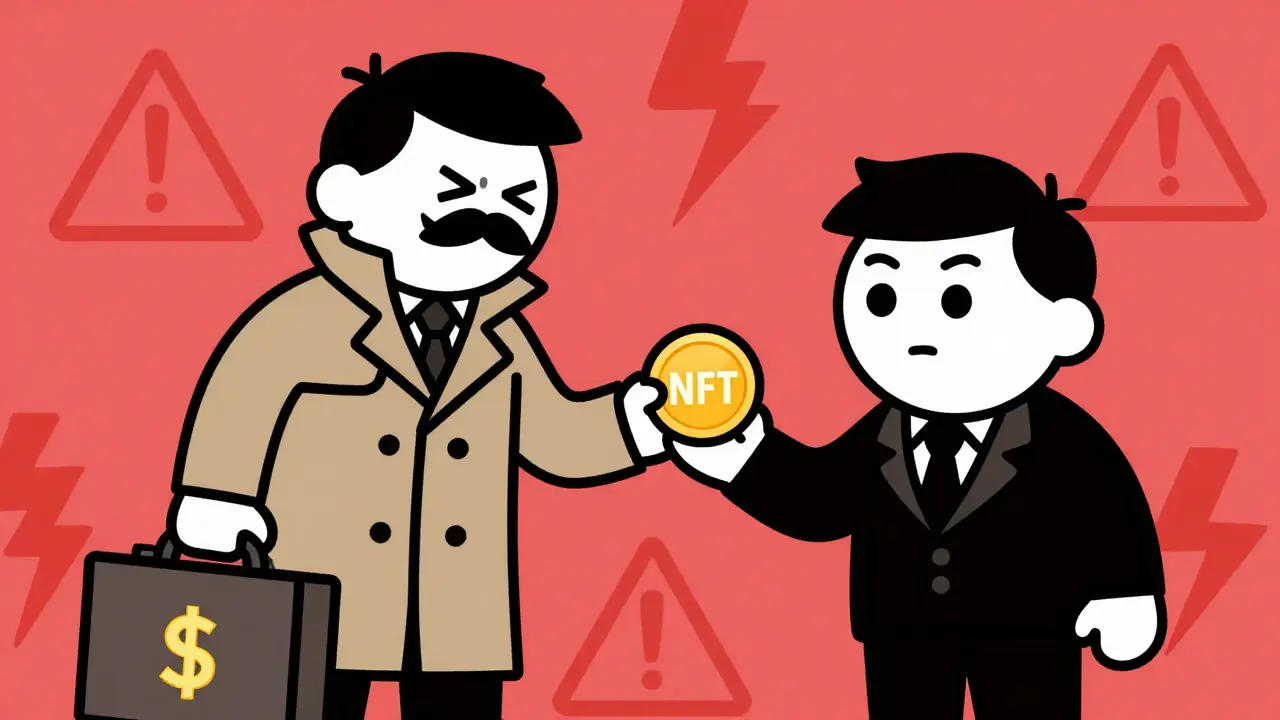
If you are being told to buy an NFT to qualify for an airdrop, you need to pause and evaluate the source. Scammers have become sophisticated. They know that people are looking for easy gains, so they create fake ecosystems that mimic real ones. Here is how to identify if "Howl City" or similar projects are trying to pull a fast one on you.
1. The "Pay-to-Play" Requirement
Genuine airdrops reward early adopters who interacted with a protocol during its testing phase. They rarely ask you to buy a specific, high-priced NFT as the *only* way to enter. If a project says, "You must buy our $500 NFT to get the HWL token," they are likely selling overpriced art to fund their own pockets while promising a token that may never launch. This is often called a "rug pull" setup.
2. Anonymous Teams
In 2026, the era of fully anonymous teams launching billion-dollar projects is largely over due to stricter regulations and community demand for accountability. If you cannot find the names, faces, and professional histories of the founders behind Howl City, assume they are hiding for a reason. Do your due diligence. Search the founder's name + "scam" or "fraud." If nothing comes up because the names are fake, that is another strike against them.
3. Pressure and Urgency
Watch the language used in their marketing. Phrases like "Last chance," "Airdrop ends in 24 hours," or "Only 100 spots left" are classic psychological triggers. Real projects give users time to verify security. Scammers want you to act impulsively so you don't have time to think critically.
The Current State of Legitimate Airdrops in 2026
To understand why Howl City looks suspicious, it helps to compare it to what legitimate airdrops look like today. The landscape has shifted dramatically from the "free money" days of 2021. Today, airdrops are merit-based and require genuine interaction.
| Feature | Legitimate Project (e.g., Base, Monad) | Suspicious Project (e.g., Unverified "Howl City") |
|---|---|---|
| Transparency | d>Public team, open-source code, regular updatesAnonymous team, closed code, vague roadmap | |
| Entry Cost | Gas fees for transactions, testnet participation | High upfront cost to buy exclusive NFTs |
| Utility | Token needed for governance or network fees | Token promised as "investment return" only |
| Community | Active developers, Discord moderators, real discussions | Bot-filled chats, repetitive hype messages |
Projects like Hyperliquid or Initia built their value by providing actual services-high-speed trading or modular blockchain infrastructure. Their airdrops were rewards for using those services. If Howl City does not offer a working product right now, but only promises future value via an NFT purchase, it fails the utility test.
Protecting Your Wallet: Safety Steps Before You Click
If you are still curious and want to investigate further, you must prioritize security. Never connect your main wallet to an unverified website. Here is a step-by-step checklist to keep your assets safe.
- Use a Burner Wallet: Create a separate MetaMask or Phantom wallet with zero funds. Use this only for interacting with new or suspicious sites. If the site drains your wallet, you lose nothing.
- Check Contract Addresses: Never copy-paste a contract address from a tweet or a DM. Go to the official website (if it exists) and verify the address matches exactly on a blockchain explorer like Etherscan or Solscan.
- Revoke Permissions: After interacting with any new dApp, go to a service like Revoke.cash to ensure the site doesn't have unlimited access to sell your tokens or NFTs later.
- Verify Domain Names: Scammers often use domains that look similar to real ones (e.g., howl-city-official.com instead of howlcity.io). Check the domain registration date. If it was registered last week, it is likely a scam.
What To Do Instead: Safe Ways to Find Airdrops
Rather than chasing ghosts like the unverified Howl City project, focus your energy on platforms with proven track records. The best airdrops come from projects you already use and trust.
Look into Layer 2 networks that are still in their growth phase. Projects like Abstract or Nillion Network have clear roadmaps and active developer communities. Engaging with these protocols-by bridging funds, swapping tokens, or providing liquidity-is a safer bet than buying mystery NFTs.
Also, consider "quest" platforms like Galxe or Layer3. These platforms partner with legitimate brands to offer rewards for completing tasks. While the payouts are smaller, the risk is significantly lower because the partners are vetted.
Conclusion: Trust But Verify
The crypto market is full of opportunity, but it is also filled with traps disguised as opportunities. The "Howl City NFT airdrop" appears to be one such trap due to the complete lack of verifiable information. In an industry where transparency is key, silence is dangerous.
Do not let FOMO drive your decisions. If a deal seems too good to be true and requires you to spend money upfront without seeing a working product, it probably is. Stick to established projects, use burner wallets for experiments, and always remember: if you have to pay to get rich quick, you are likely the product being sold.
Is the Howl City NFT airdrop real?
There is no verified evidence that a legitimate "Howl City" project exists with an upcoming HWL token airdrop. The lack of a whitepaper, audit reports, and known team members suggests it may be a scam or a very early-stage rumor with high risk.
What is the HWL token?
HWL is purportedly the token associated with the Howl City ecosystem. However, since the project itself lacks verifiable details, the token may not exist on any blockchain, or it could be a honeypot token designed to prevent sellers from cashing out.
How can I tell if an NFT airdrop is a scam?
Look for red flags such as anonymous teams, requirements to buy expensive NFTs to qualify, pressure tactics like "limited time offers," and a lack of technical documentation or smart contract audits. Always verify the project on multiple independent sources.
Are there any safe airdrops in 2026?
Yes, many legitimate projects offer airdrops. Look for well-known Layer 2 networks, DeFi protocols with strong funding, and projects listed on reputable tracking sites like CoinMarketCap or DefiLlama. Examples include interactions with networks like Base, Monad, or Abstract.
Should I buy an NFT to get an airdrop?
Generally, no. Legitimate airdrops reward usage of a platform, not the purchase of collectibles. If a project requires a significant financial investment just to qualify for a potential token drop, the risk of loss far outweighs the potential reward.