
Have you seen the buzz around ETHPAD is a decentralized platform focused on enhancing Ethereum ecosystem interactions through innovative token distribution and community engagement strategies. It aims to bridge the gap between traditional finance and decentralized applications by offering users unique opportunities to participate in early-stage projects. The platform's "GRAND" initiative represents a significant milestone in its development roadmap.? If your feed is flooded with claims about free tokens, you’re not alone. But here’s the hard truth: most of that noise is either outdated or designed to steal your private keys. With today being June 9, 2026, we need to cut through the hype and look at what actually works for claiming legitimate Ethereum-based rewards.
The Reality of ETHPAD’s “GRAND” Initiative
Let’s get straight to the point. There is no single, universally recognized event called “ETHPAD’s GRAND airdrop” that has been verified by major blockchain analytics firms like Etherscan or Dune Analytics as of mid-2026. This is a critical distinction. In the world of Cryptocurrency is digital assets that use cryptography for security and operate on decentralized networks based on blockchain technology. These assets enable peer-to-peer transactions without intermediaries, providing transparency and immutability. The market includes thousands of coins and tokens, each with unique utility and value propositions., ambiguity is often a red flag. Projects rarely use vague terms like “GRAND” without specific technical documentation. Instead, they release whitepapers, smart contract addresses, and clear eligibility criteria.
If you are seeing this term trending, it likely refers to one of three scenarios:
- A Community-Led Campaign: An unofficial group using the name to promote a new token launch on platforms like Uniswap or PancakeSwap.
- A Phishing Attempt: Malicious actors creating fake landing pages that mimic legitimate Ethereum projects to harvest wallet signatures.
- A Misinterpretation: Confusion with other major Ethereum Layer 2 solutions like Arbitrum, Optimism, or Base, which have had massive airdrop events in recent years.
Before you connect your wallet to any site promising “ETHPAD” tokens, pause. Verify the source. If the project doesn’t have a verified Twitter account with blue checkmarks, a GitHub repository with active commits, or a listing on CoinGecko or CoinMarketCap, treat it with extreme skepticism.
How to Identify Legitimate Ethereum Airdrops in 2026
The landscape of Airdrop is a marketing strategy where cryptocurrency projects distribute free tokens to wallet holders to generate awareness, decentralize ownership, and reward early adopters. Successful airdrops require users to meet specific criteria such as transaction history, social media engagement, or holding certain NFTs. They serve as both a promotional tool and a method for fair token distribution. has evolved significantly since the boom of 2021-2022. Today, projects use sophisticated on-chain analysis to determine eligibility. You can’t just sign up with an email anymore. Here is how real airdrops work now:
- On-Chain Activity: Projects track your interaction with their protocol. Did you swap tokens? Provide liquidity? Bridge assets? Tools like DeBank or Zerion help you monitor this activity.
- Snapshots: Most legitimate drops take a snapshot of the blockchain at a specific block height. If you weren’t active before that date, you won’t qualify.
- KYC Requirements: Due to stricter regulations in 2025 and 2026, many large-scale distributions now require Know Your Customer (KYC) verification to prevent sybil attacks (where one person creates multiple wallets).
If a website asks you to send ETH to claim an airdrop, close the tab immediately. Legitimate airdrops never require you to pay upfront fees. They might ask for a small gas fee to interact with the smart contract during the claim process, but never a direct transfer of funds.
Step-by-Step Guide to Safely Checking Eligibility
Since there is no official central hub for “ETHPAD,” you need to do some detective work. Here is a safe, step-by-step approach to verify if you are eligible for any related Ethereum ecosystem rewards:
| Step | Action | Why It Matters |
|---|---|---|
| 1 | Verify Contract Address | Ensure the token address matches official announcements from trusted sources. |
| 2 | Check Domain Age | Use tools like Whois to see if the website was created recently. New domains are risky. |
| 3 | Review Social Sentiment | Look for genuine discussions on Reddit or Discord, not just bot-generated tweets. |
| 4 | Use a Burner Wallet | Never connect your main vault wallet to unverified sites. Use a separate wallet with minimal funds. |
Start by visiting Etherscan is the leading blockchain explorer for Ethereum, allowing users to view transactions, balances, and smart contract interactions in real-time. It provides comprehensive data on all activities occurring on the Ethereum network, making it essential for verifying token authenticity and tracking airdrop distributions.. Search for the exact token symbol. If the contract shows zero liquidity or was created yesterday, it’s likely a scam. Next, check if the project has a presence on CoinGecko is a popular cryptocurrency tracker that provides real-time prices, market caps, trading volumes, and detailed information about thousands of digital assets. It helps investors make informed decisions by aggregating data from various exchanges and offering insights into market trends and project fundamentals.. If it’s not listed there, be very cautious.
Common Scams Targeting Airdrop Hunters
In 2026, scammers have become incredibly sophisticated. They don’t just send phishing emails; they create entire fake ecosystems. Here are the top threats you need to watch out for when looking for ETHPAD or similar rewards:
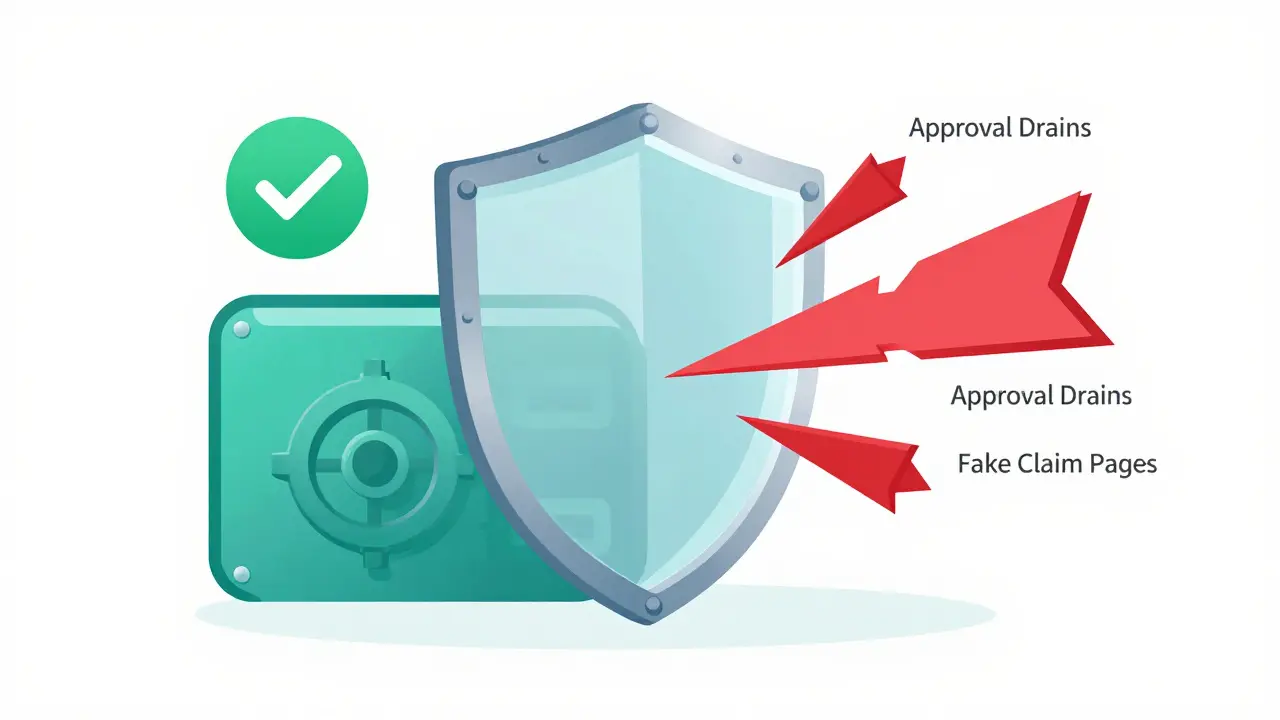
- Approval Drains: A site asks you to “approve” a token allowance. Once you sign, they drain your USDC or ETH instantly. Always revoke approvals regularly using tools like Revoke.cash.
- Fake Claim Pages: These look identical to official sites but have slight URL variations (e.g., ethpad-airdrop.com instead of ethpad.io). Always bookmark the official site first.
- Private Key Requests: No legitimate service will ever ask for your seed phrase or private key. If a pop-up asks for it, disconnect your wallet immediately.
I’ve seen too many people lose life savings because they clicked a link from a Telegram group. Remember: if it sounds too good to be true, it is. Free money doesn’t exist in crypto; only free time and risk management do.

Alternative Opportunities in the Ethereum Ecosystem
If ETHPAD turns out to be a myth or a low-value project, don’t put all your eggs in one basket. The Ethereum ecosystem is rich with other opportunities. Consider exploring these areas:
- Layer 2 Solutions: Networks like Arbitrum, Optimism, and zkSync continue to offer incentives for users who bridge assets and provide liquidity.
- DeFi Protocols: Platforms like Aave, Compound, and Uniswap often reward early users with governance tokens.
- NFT Communities: Holding certain blue-chip NFTs can grant access to exclusive airdrops and metaverse experiences.
Diversifying your participation across multiple protocols increases your chances of benefiting from future distributions while reducing reliance on any single project.
Next Steps: Protecting Your Assets
Whether you end up qualifying for an ETHPAD-related drop or not, your primary goal should be security. Here is what you should do right now:
- Update Your Wallet Software: Ensure MetaMask or Phantom is running the latest version to patch any known vulnerabilities.
- Enable Two-Factor Authentication: Use hardware keys or authenticator apps for all exchange accounts.
- Educate Yourself: Follow reputable crypto news outlets like Coindesk or Cointelegraph for verified updates.
The crypto space moves fast, but safety should always be your north star. Don’t let FOMO drive your decisions. Do your research, verify every link, and keep your private keys private.
Is the ETHPAD GRAND airdrop real?
As of June 2026, there is no widely verified or officially announced “ETHPAD GRAND airdrop.” Be extremely cautious of websites or social media posts claiming otherwise, as they may be scams. Always verify information through official channels and reputable blockchain explorers.
How can I check if I’m eligible for an Ethereum airdrop?
Eligibility usually depends on your on-chain activity, such as swapping tokens, bridging assets, or providing liquidity on specific protocols. You can use tools like DeBank or Zapper to review your transaction history and see if you interacted with relevant contracts before the snapshot date.
What are the signs of a crypto airdrop scam?
Red flags include requests for your private key or seed phrase, asking you to send ETH to claim tokens, URLs that slightly misspell official domain names, and promises of guaranteed high returns. Legitimate airdrops never require upfront payments.
Do I need to KYC for airdrops in 2026?
Many large-scale airdrops now require KYC (Know Your Customer) verification to comply with regulations and prevent sybil attacks. However, smaller or more decentralized projects may still allow anonymous claiming. Always check the official announcement for specific requirements.
Which wallets are safest for claiming airdrops?
Hardware wallets like Ledger or Trezor are the safest options. For software wallets, MetaMask is widely used but should be kept updated. Always use a burner wallet with minimal funds when interacting with unverified smart contracts to limit potential losses.
7 Comments
glad u posted this. most ppl just click links without thinking. keep yur main wallet safe alwys.
Yo, let's keep the vibes positive here folks! The decentralized ethos is all about community trust and verifying on-chain data before we get too hyped. I've been tracking the L2 activity closely and honestly, the 'GRAND' initiative sounds like a classic case of narrative inflation without technical substance. We need to focus on actual utility metrics rather than vague promises of free tokens.
It is crucial that we educate each other on the importance of smart contract audits and liquidity depth. If a project doesn't have a verified GitHub with active commits from recognized developers, it's likely a vaporware scheme designed to drain your USDC via malicious approvals. Let's support legitimate protocols like Arbitrum or Optimism that have proven track records of rewarding early adopters through transparent snapshot mechanisms.
We should also be mindful of the regulatory landscape in 2026 which demands stricter KYC compliance for large distributions. This isn't about stifling innovation but ensuring fair distribution and preventing sybil attacks where one entity controls thousands of wallets. By diversifying our participation across multiple DeFi protocols such as Aave and Uniswap, we mitigate risk while potentially qualifying for future governance token drops. Remember, patience and due diligence are key to long-term success in this space. Let's stay vigilant and help each other navigate these complex ecosystems safely!
hey friends :D good info here. i always use burner wallet for new stuff. dont trust any site asking for seed phrase ok? stay safe guys :)
Ah yes, another day, another 'revolutionary' platform promising us the moon while quietly draining our wallets. How original. I suppose we should all just blindly connect our MetaMask because someone used the word 'decentralized' in their bio.
The irony is thick enough to cut with a knife. People still fall for these scams despite having every tool at their fingertips to verify basic facts. It's not rocket science; it's basic literacy. But sure, let's pretend that a website created yesterday with a slightly misspelled domain is the next big thing.
I'm laughing at the sheer audacity of these scammers who think we're all idiots. Spoiler alert: we're not. Or at least, we shouldn't be. Stop chasing FOMO and start using your brain. It's free, unlike those 'free' tokens you'll never see.
It is imperative that citizens prioritize national digital sovereignty over foreign speculative assets. The reliance on unregulated international blockchain platforms poses a significant threat to local economic stability. We must advocate for strict domestic regulations that prevent capital flight through unauthorized cryptocurrency transactions.
Furthermore, the lack of transparency in these so-called 'airdrops' undermines the integrity of our financial systems. Citizens should be wary of participating in global schemes that do not contribute to the nation's technological infrastructure. Instead, we should focus on supporting homegrown fintech solutions that adhere to local laws and protect consumer interests.
The government must take decisive action to ban platforms that facilitate illegal token distributions. Until then, individuals should exercise extreme caution and report any suspicious activities to the relevant authorities. Our priority must be the security and prosperity of our own people, not the profits of anonymous overseas entities.
One must consider the deeper implications of this digital deception. The 'ETHPAD' phenomenon is not merely a scam; it is a symptom of a larger, orchestrated effort to manipulate public consciousness and erode trust in traditional institutions. These entities are part of a shadow network designed to harvest personal data under the guise of decentralization.
Observe how they encourage users to connect wallets without proper verification. This is not accidental; it is a deliberate strategy to map out the financial identities of unsuspecting individuals. Once this data is aggregated, it can be sold to the highest bidder or used to influence market movements.
We are being watched. Every transaction, every click, every signature is recorded and analyzed by algorithms far more sophisticated than we realize. The illusion of anonymity is just that-an illusion. To protect oneself, one must disconnect from these networks entirely. Do not engage. Do not verify. Simply withdraw. The only true security lies in complete disengagement from this parasitic system.
oh my god another post about crypto scams?? really? do we need to be told this again? its so obvious. like wow. just wow.
i mean if you cant tell a fake site from a real one maybe you shouldnt be in crypto at all. its not hard. check the url. check the date. use your brain. seriously.
and stop asking questions in comments its annoying. just read the article. its right there. face palm moment. i cant believe people still fall for this stuff in 2026. shame on everyone involved. really. just... no.